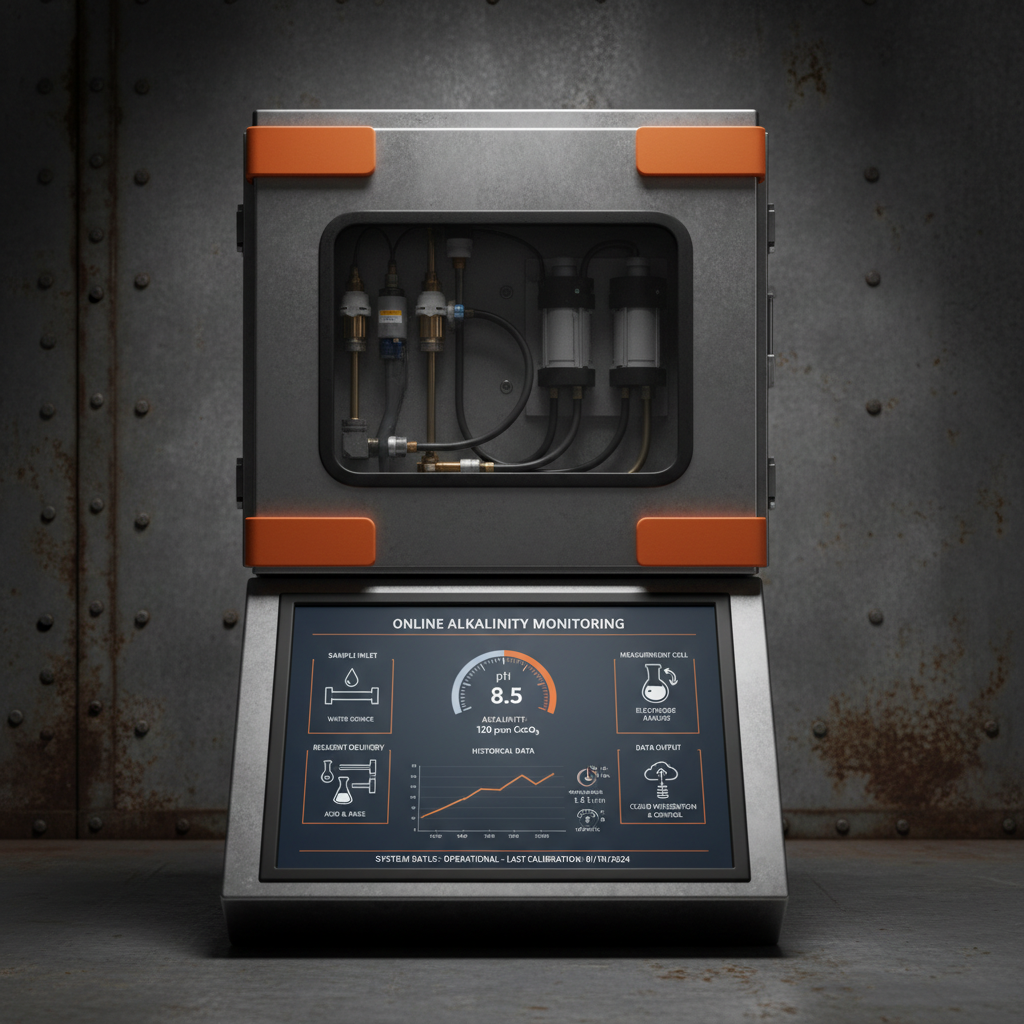
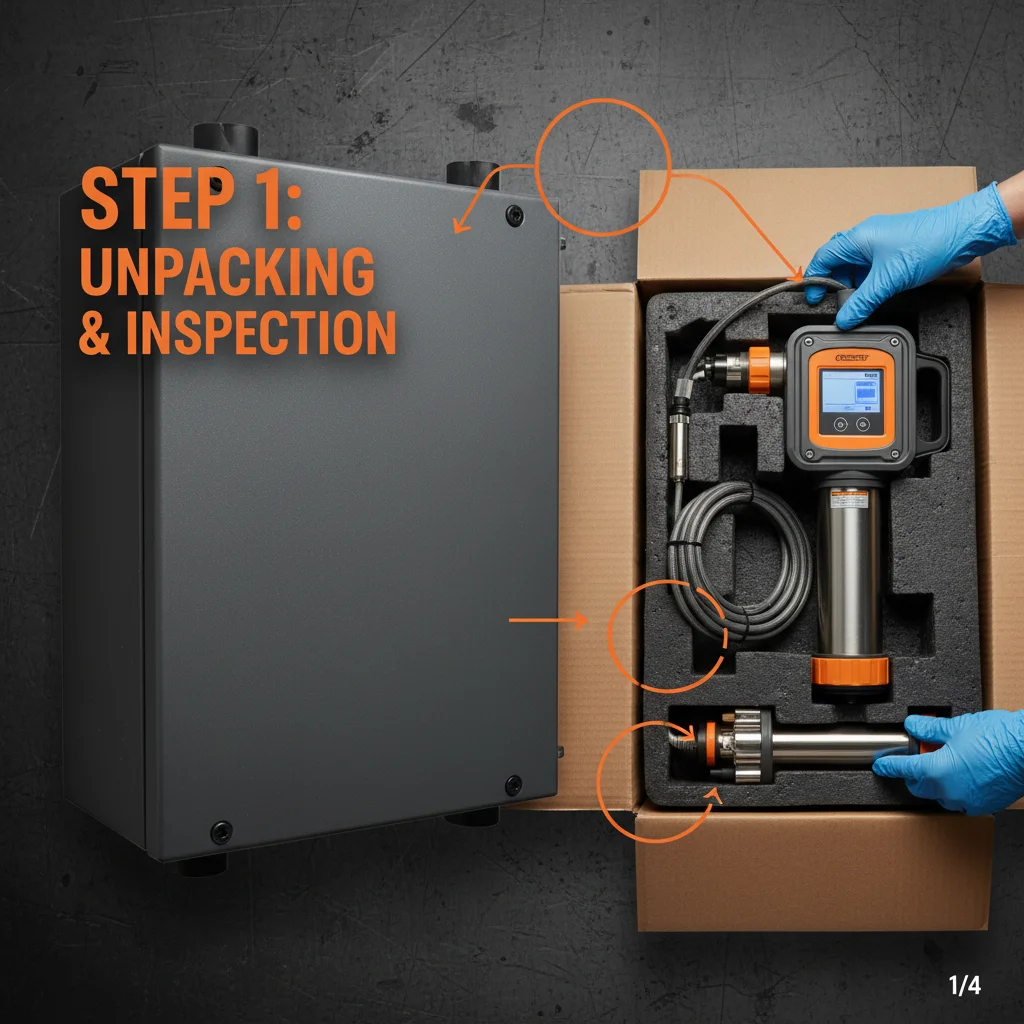
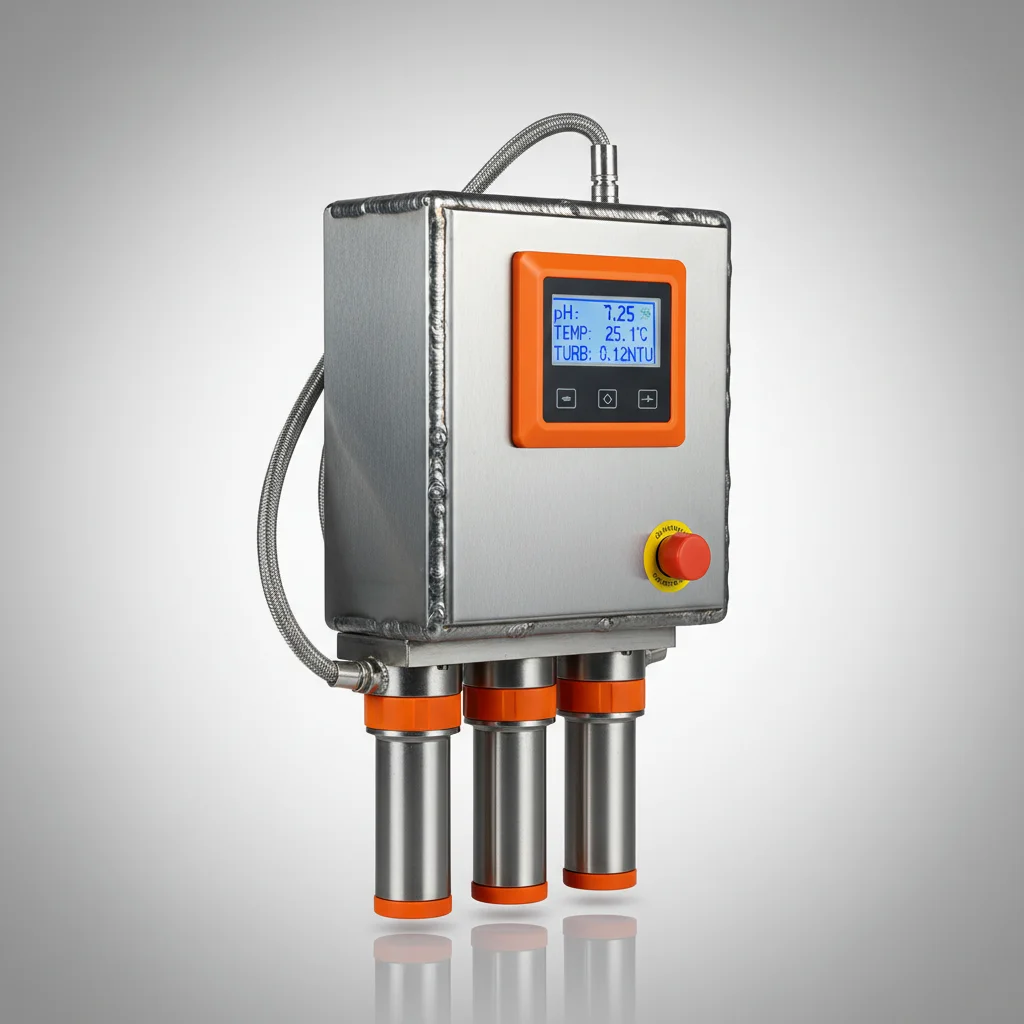
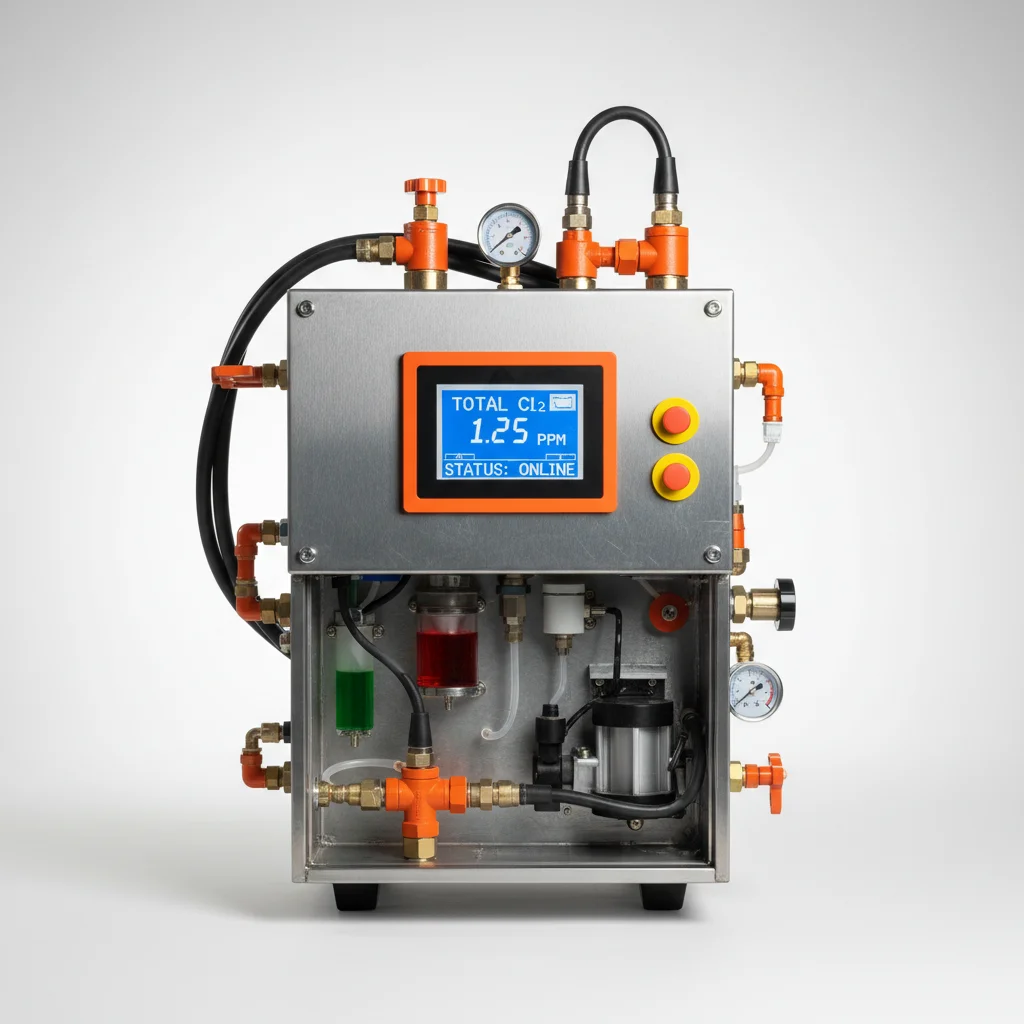
The increasing need for precise water quality monitoring across diverse industries – from power generation and wastewater treatment to food & beverage and environmental protection – has driven demand for innovative solutions. online alkalinity analyzer systems are at the forefront of this technological shift, offering real-time, continuous measurements critical for process optimization, regulatory compliance, and environmental stewardship. This technology is no longer a luxury, but a necessity for efficient and sustainable operations.
Global challenges like water scarcity, increasingly stringent environmental regulations, and the need for efficient industrial processes necessitate robust and reliable water quality analysis. Traditional lab-based methods are often slow, costly, and prone to errors, hindering timely decision-making. The adoption of online alkalinity analyzer significantly addresses these shortcomings, enabling proactive management of water resources and improved operational efficiency.
The shift towards real-time monitoring isn’t just about data acquisition; it's about transforming data into actionable insights. With continuous data streams, operators can identify trends, anticipate problems, and optimize treatment processes, resulting in substantial cost savings, reduced environmental impact, and enhanced overall system performance. online alkalinity analyzer systems facilitate this transformation.
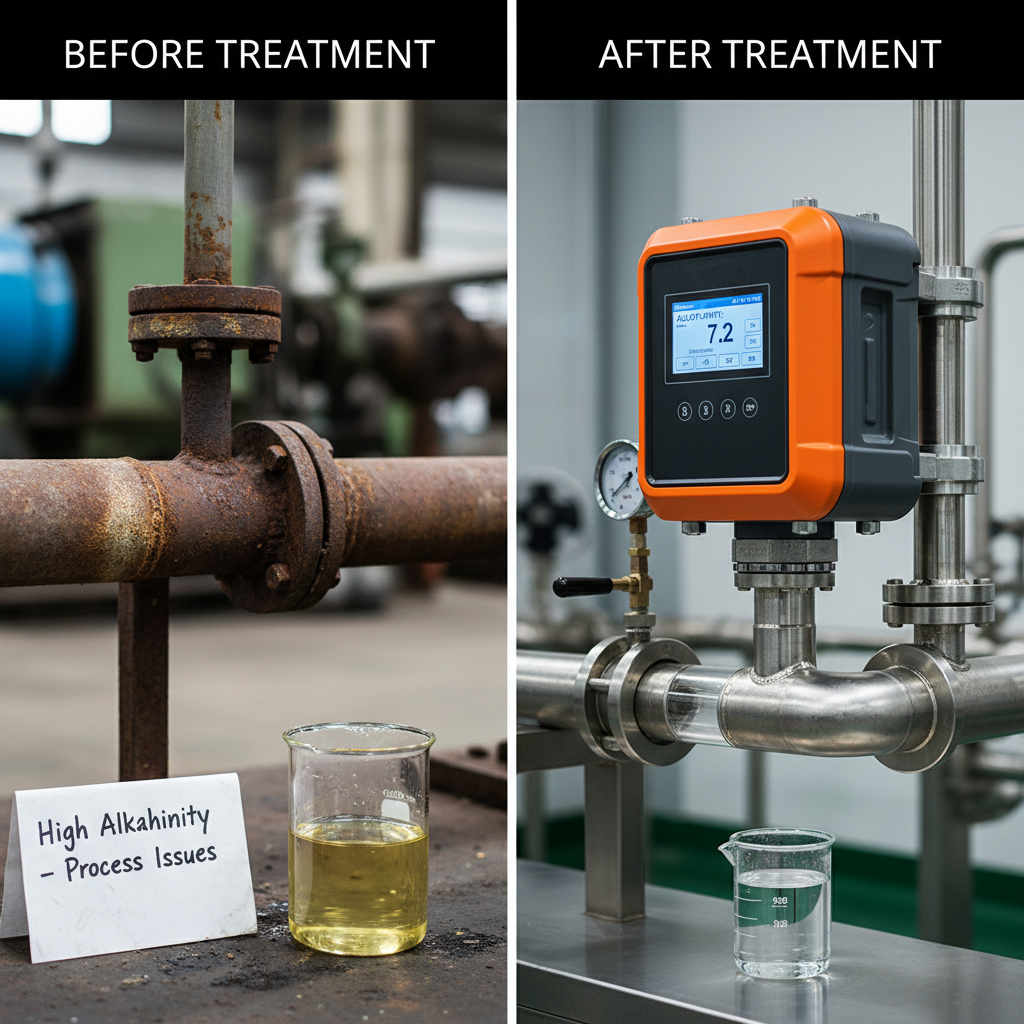
Introduction to Online Alkalinity Analysis
Alkalinity is a crucial water quality parameter that reflects its capacity to neutralize acids. Understanding and controlling alkalinity levels is paramount for maintaining stable pH, protecting infrastructure from corrosion, and ensuring the effectiveness of water treatment processes. Online alkalinity analyzer systems provide the continuous data needed for proactive management of this critical parameter.
Traditional alkalinity measurements rely on time-consuming and labor-intensive titrations, making real-time process control difficult. The advent of online analyzers has revolutionized alkalinity monitoring, offering immediate feedback and enabling operators to respond rapidly to changing conditions. This capability is particularly vital in dynamic industrial settings and sensitive environmental monitoring applications.
Defining Online Alkalinity Analyzers
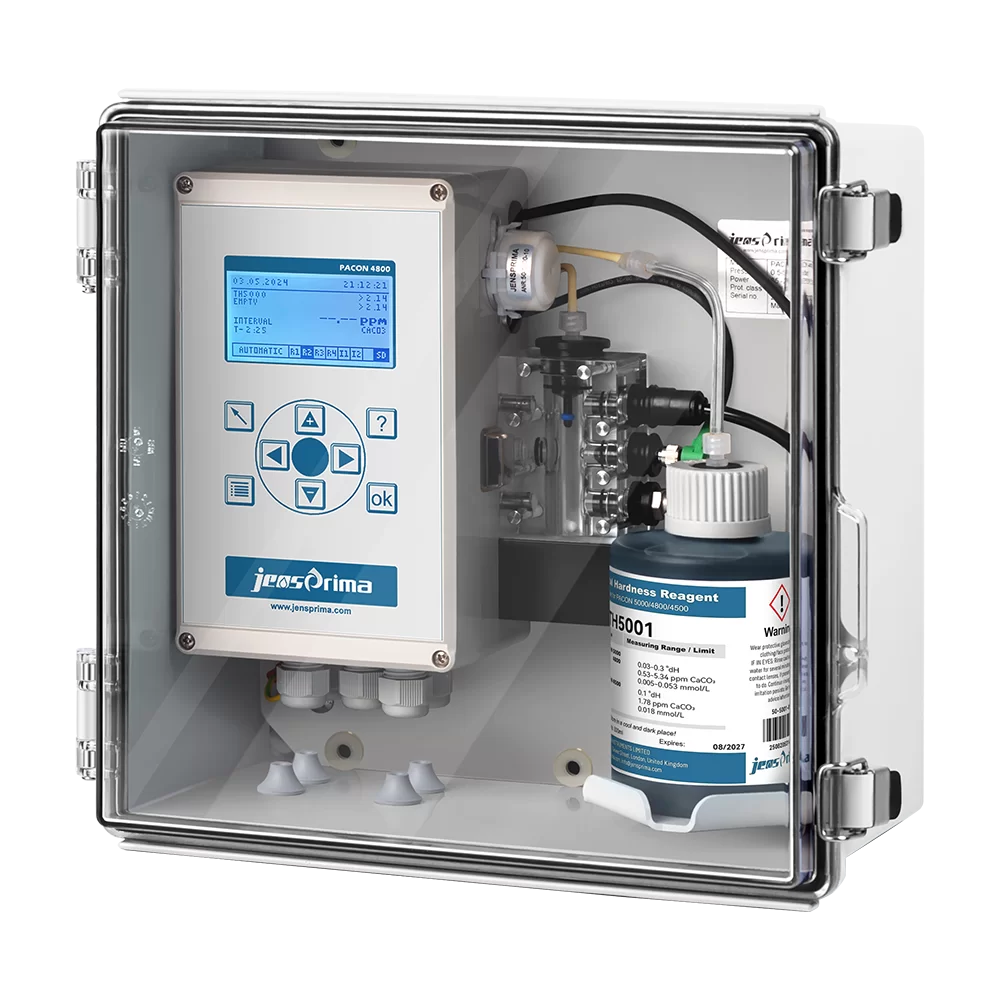
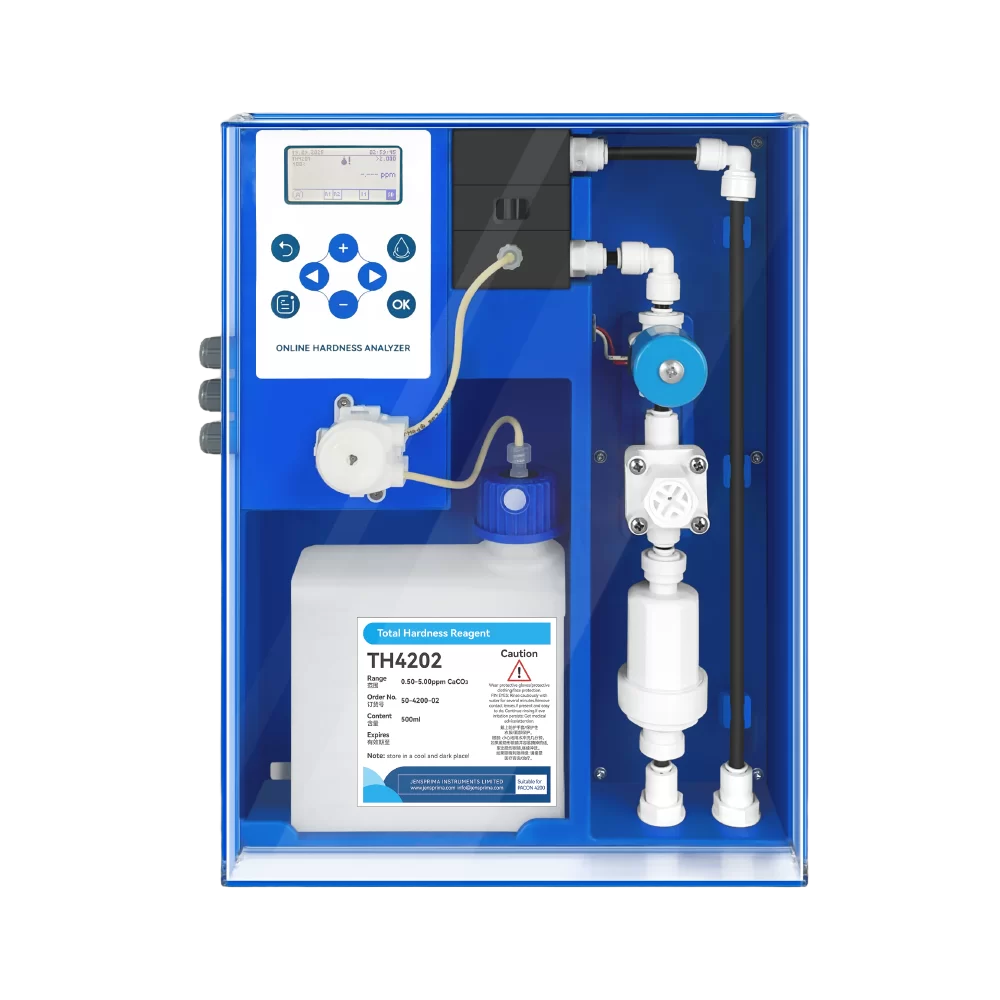
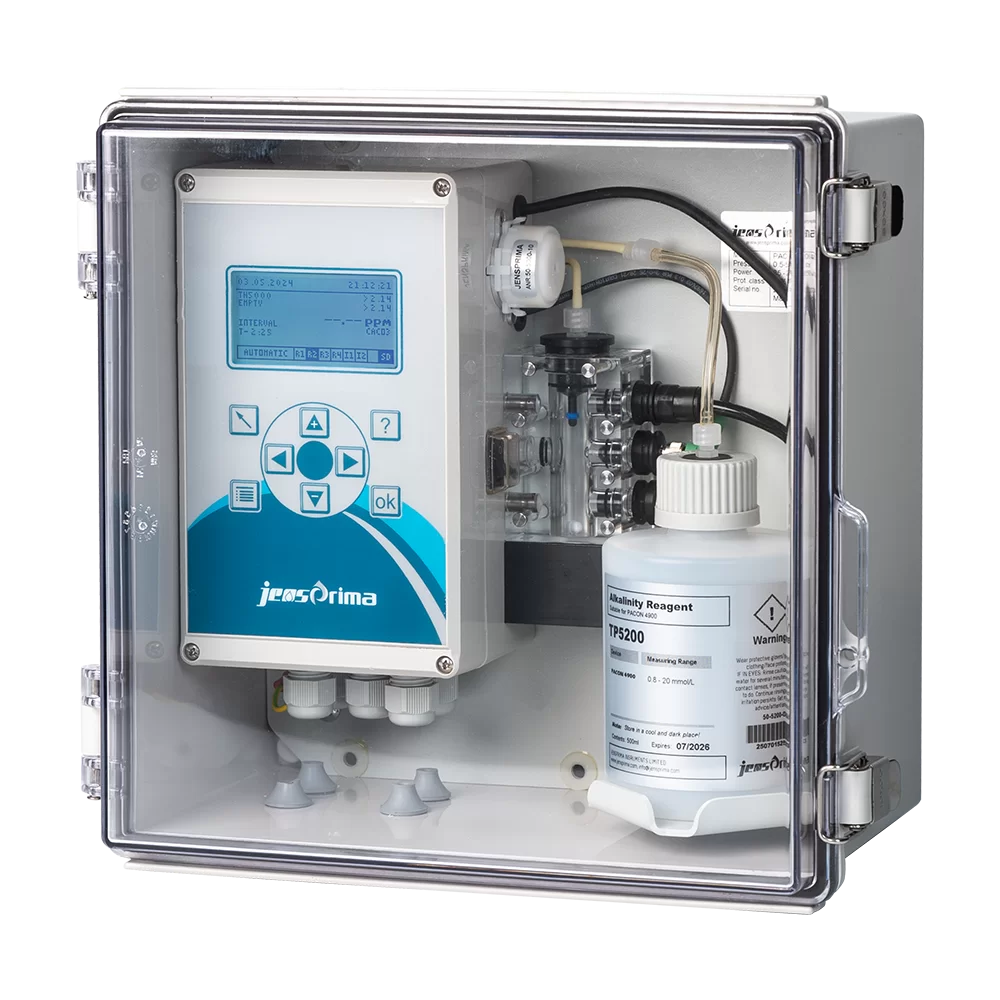
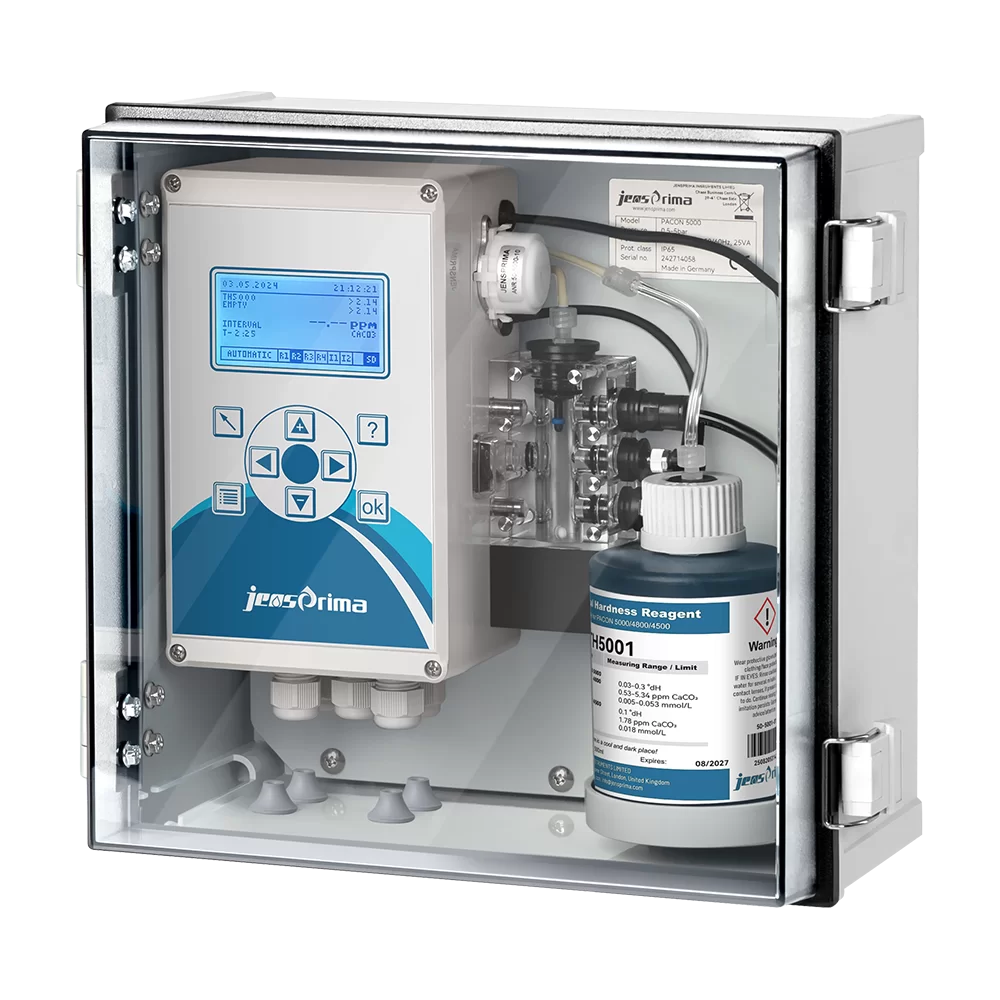
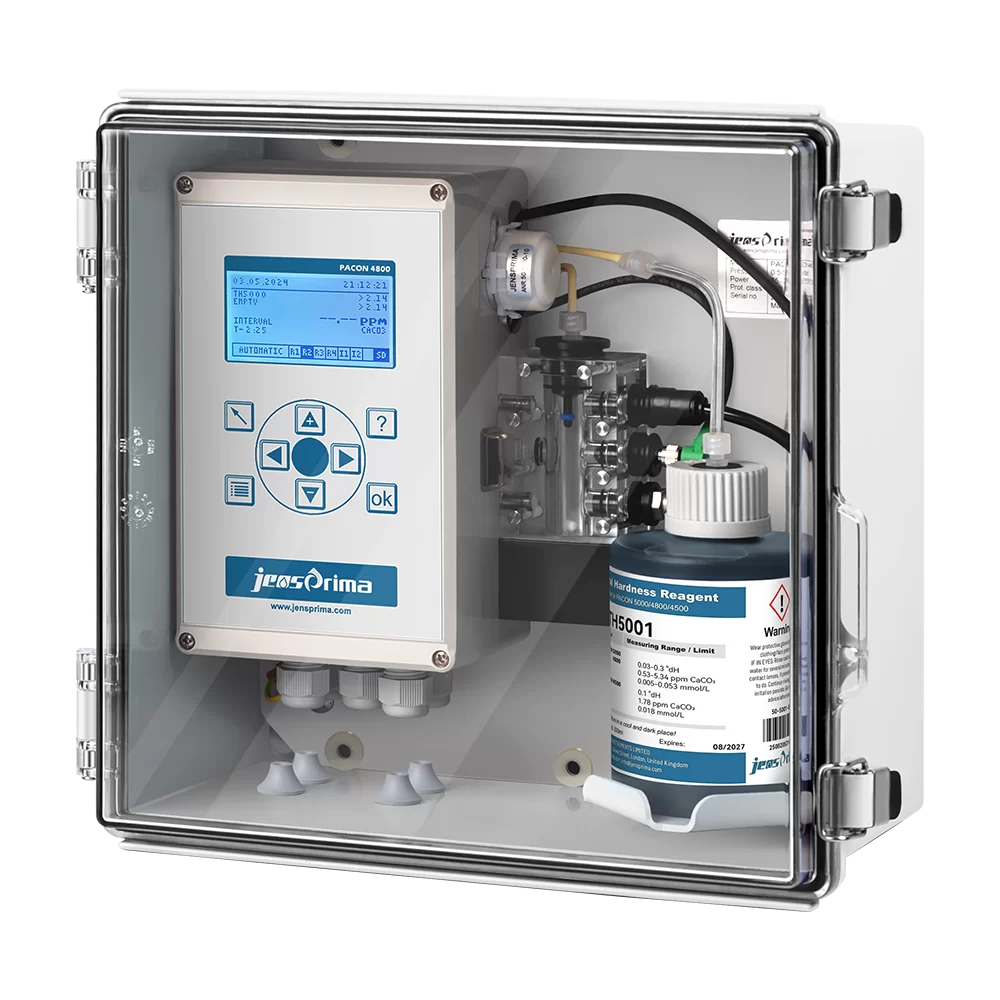
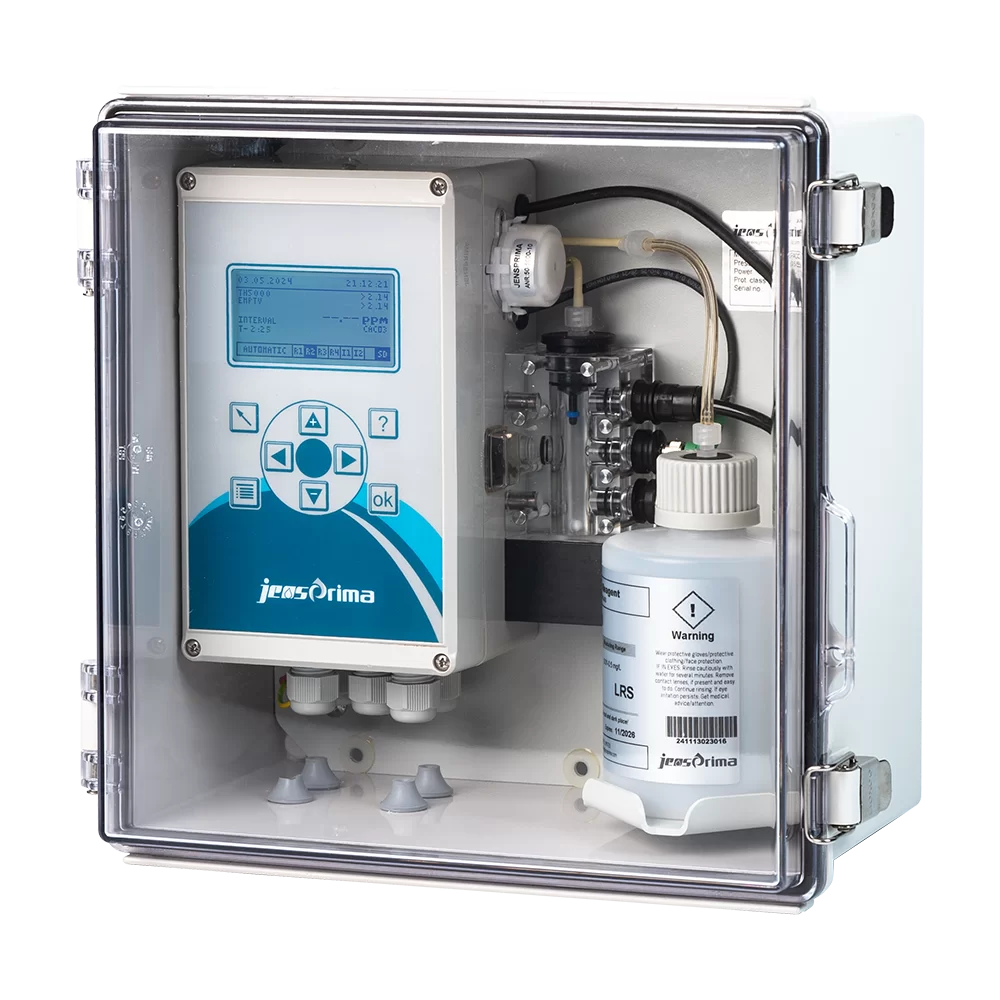
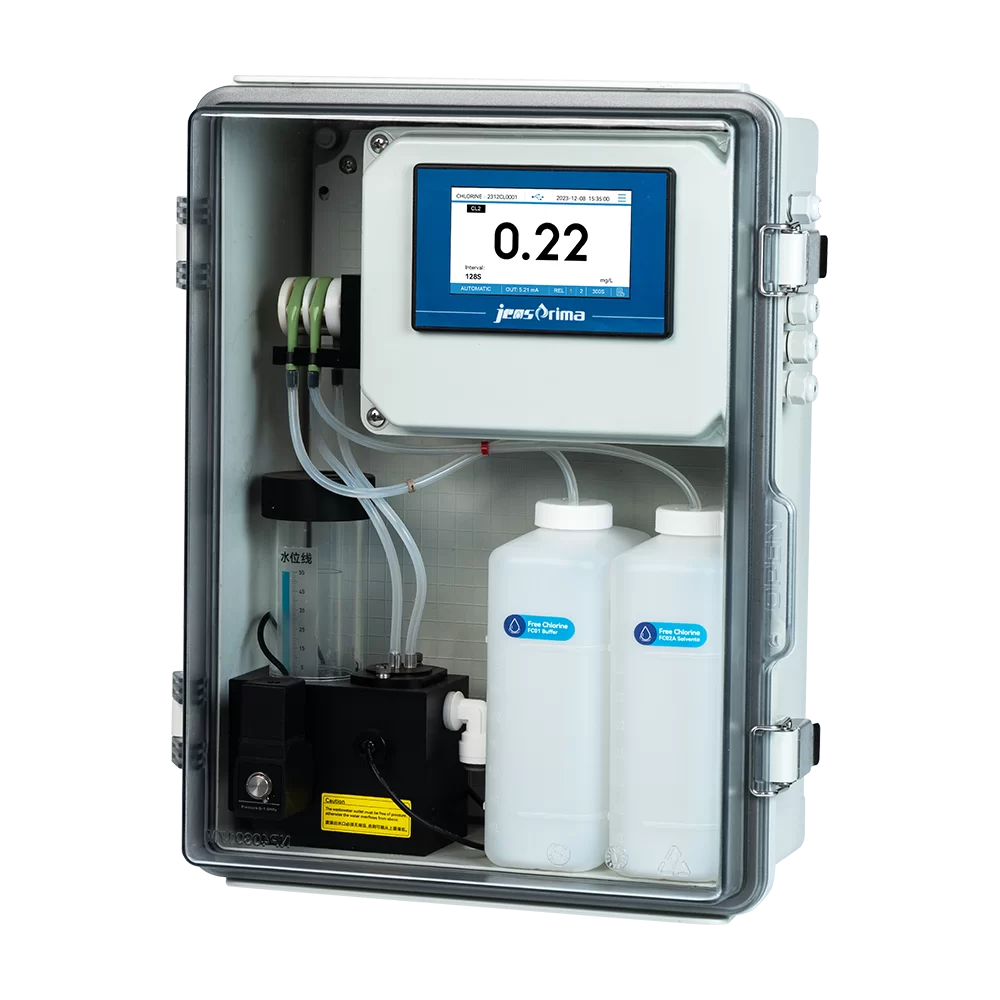
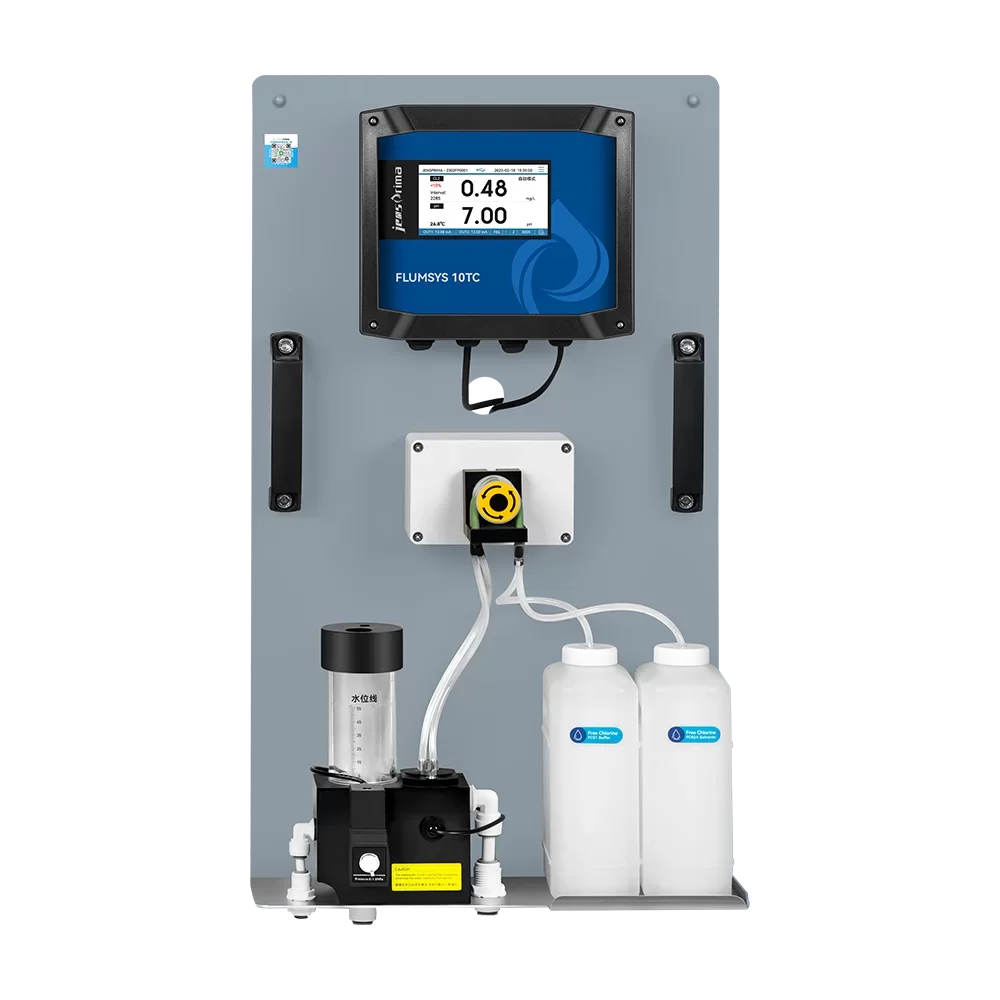
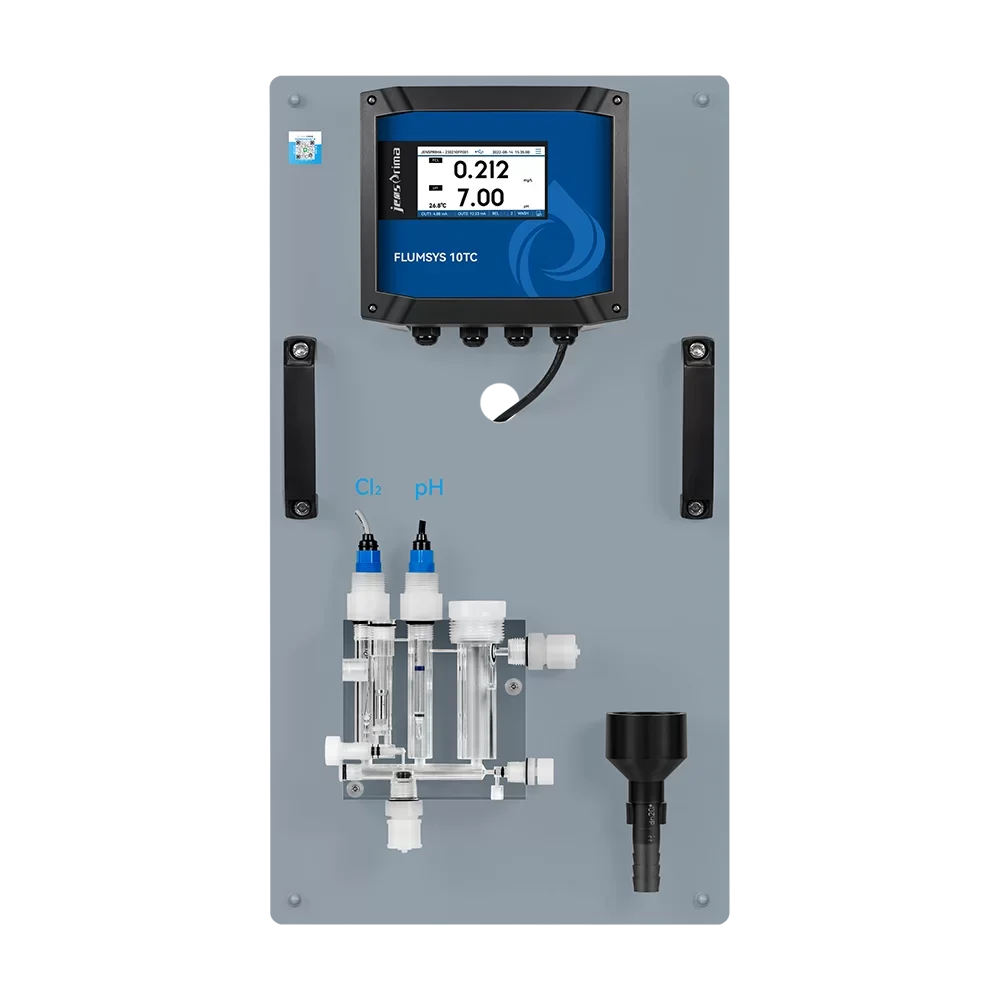
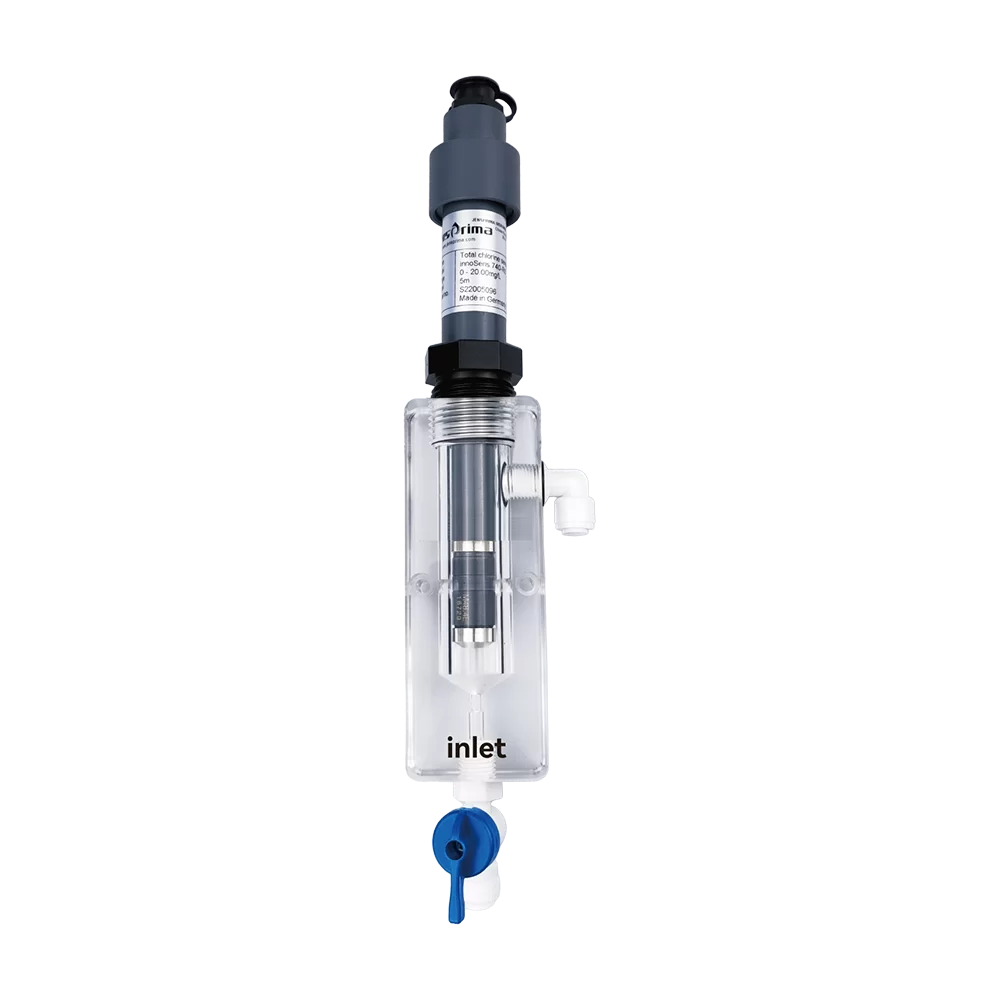
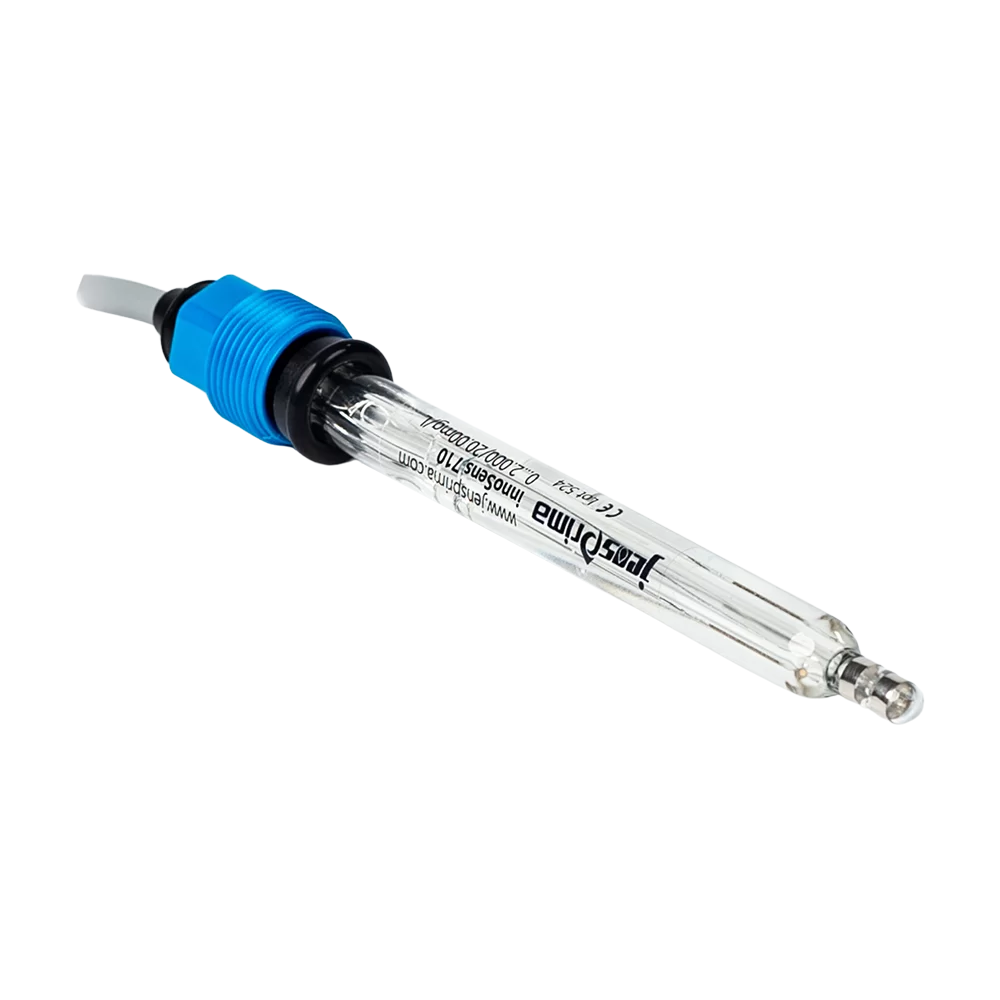
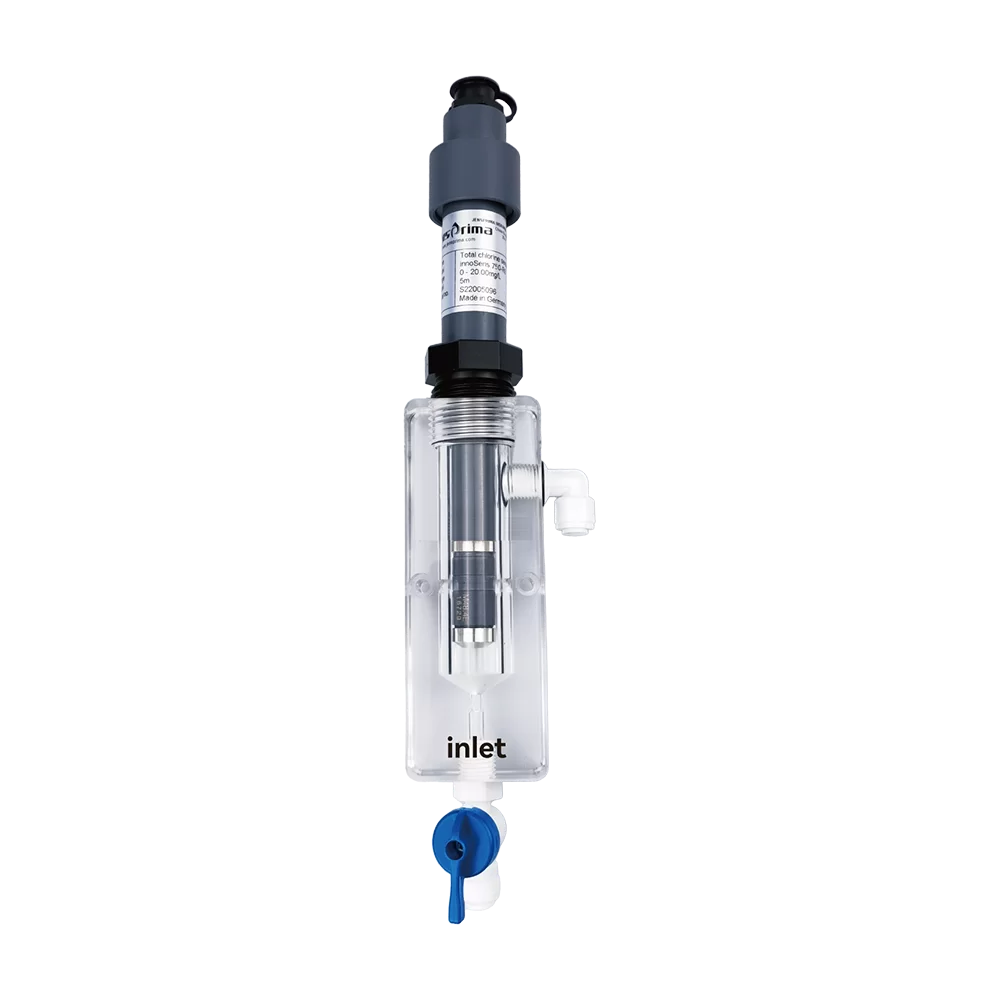
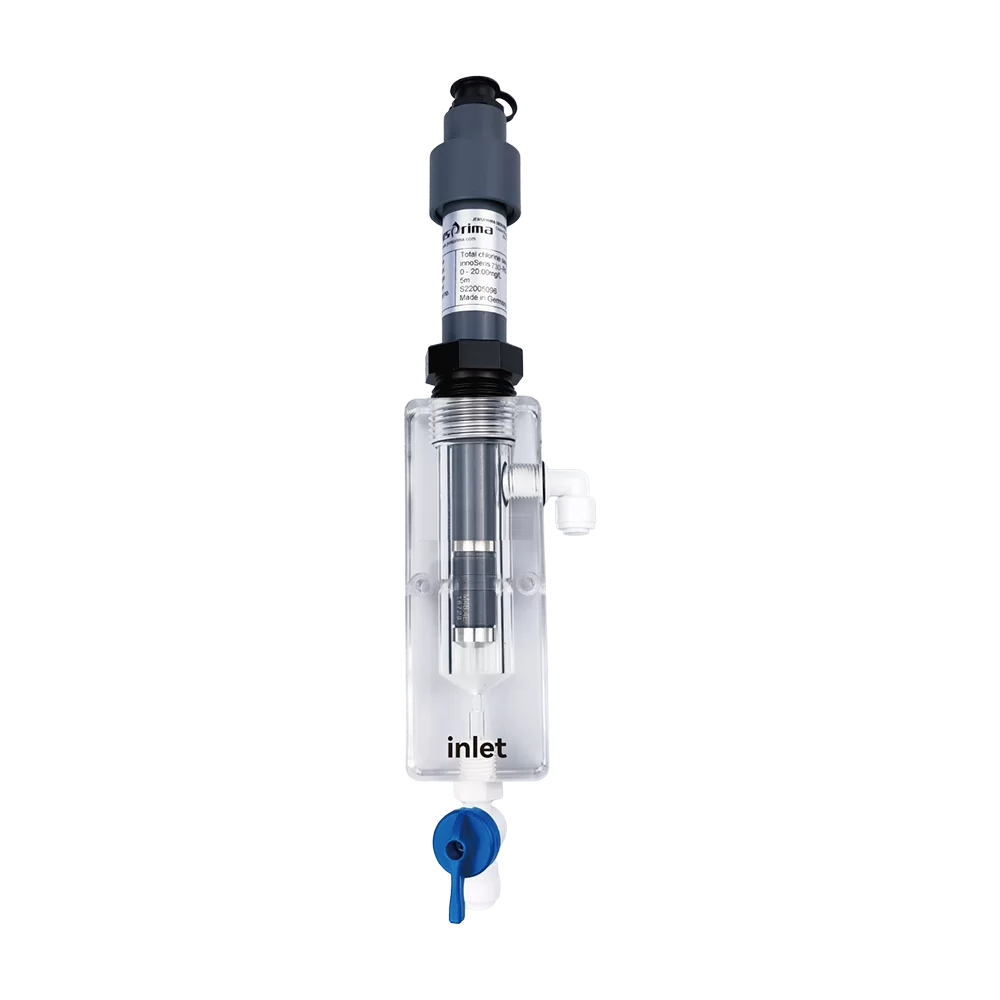
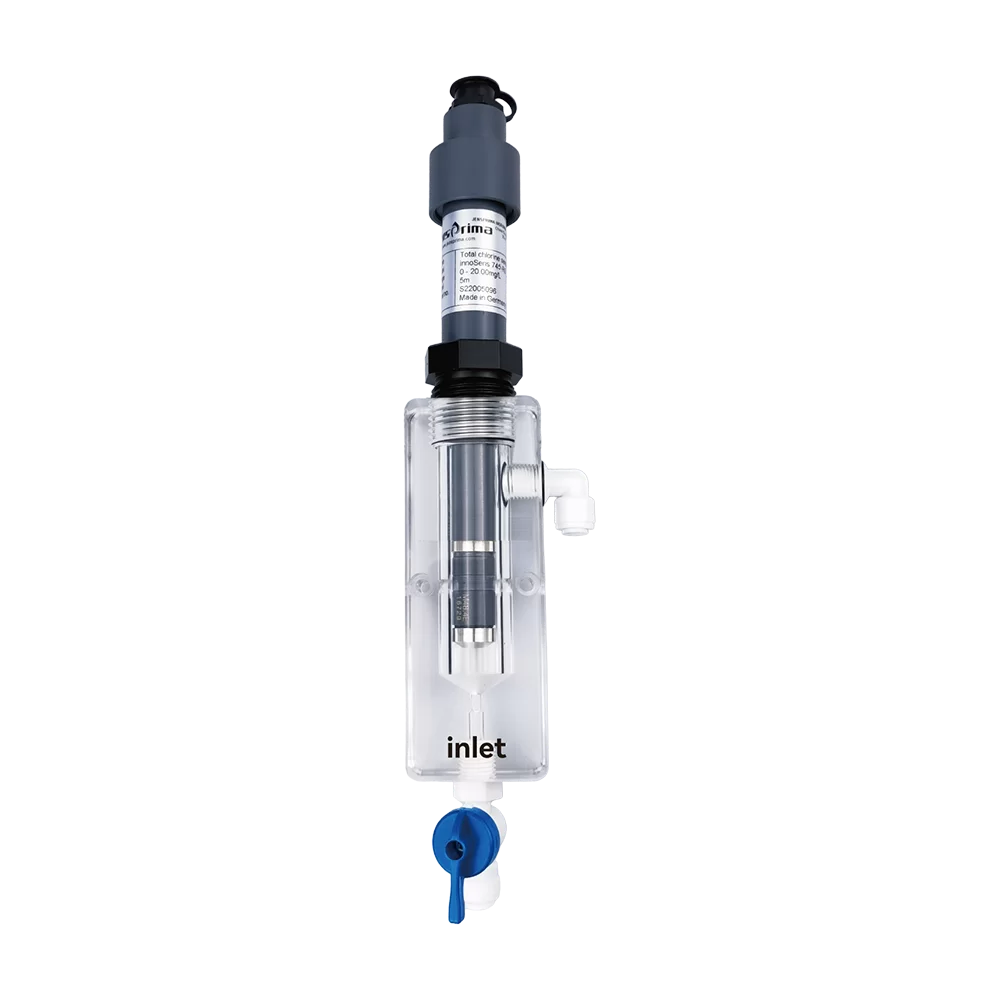
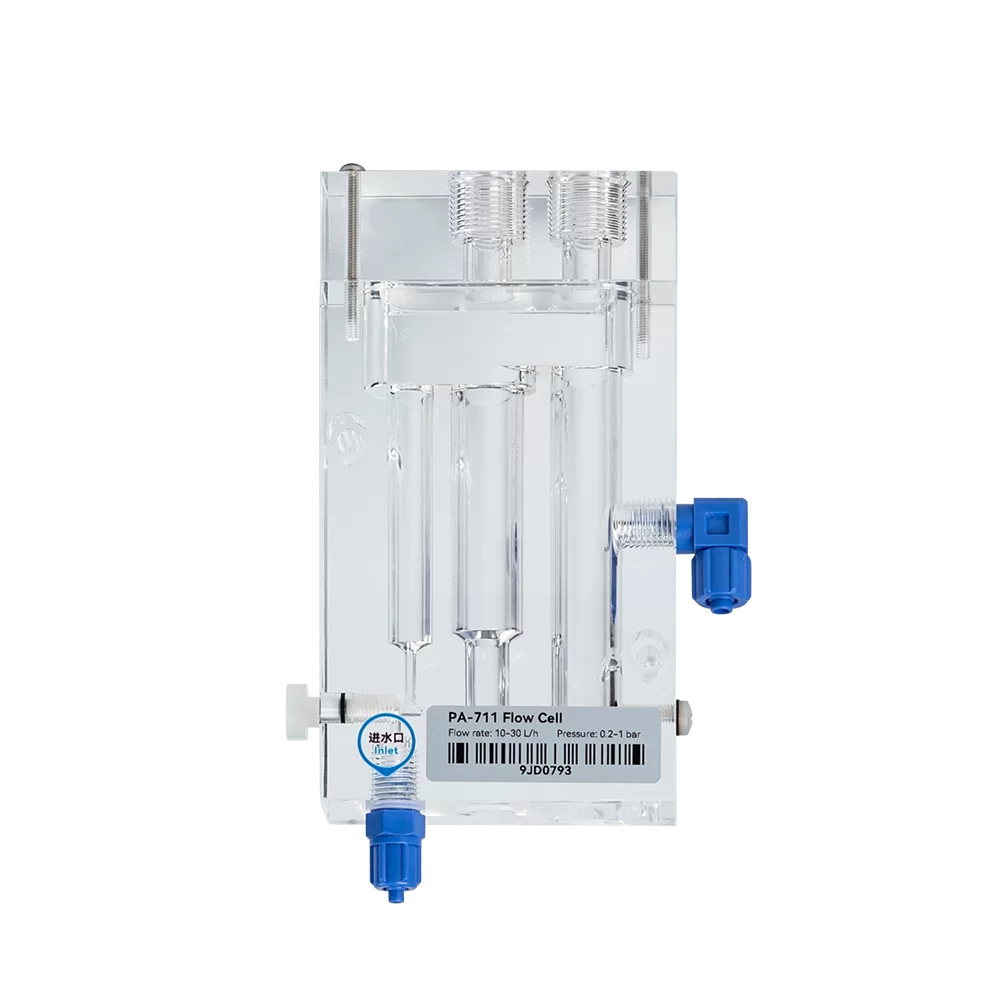
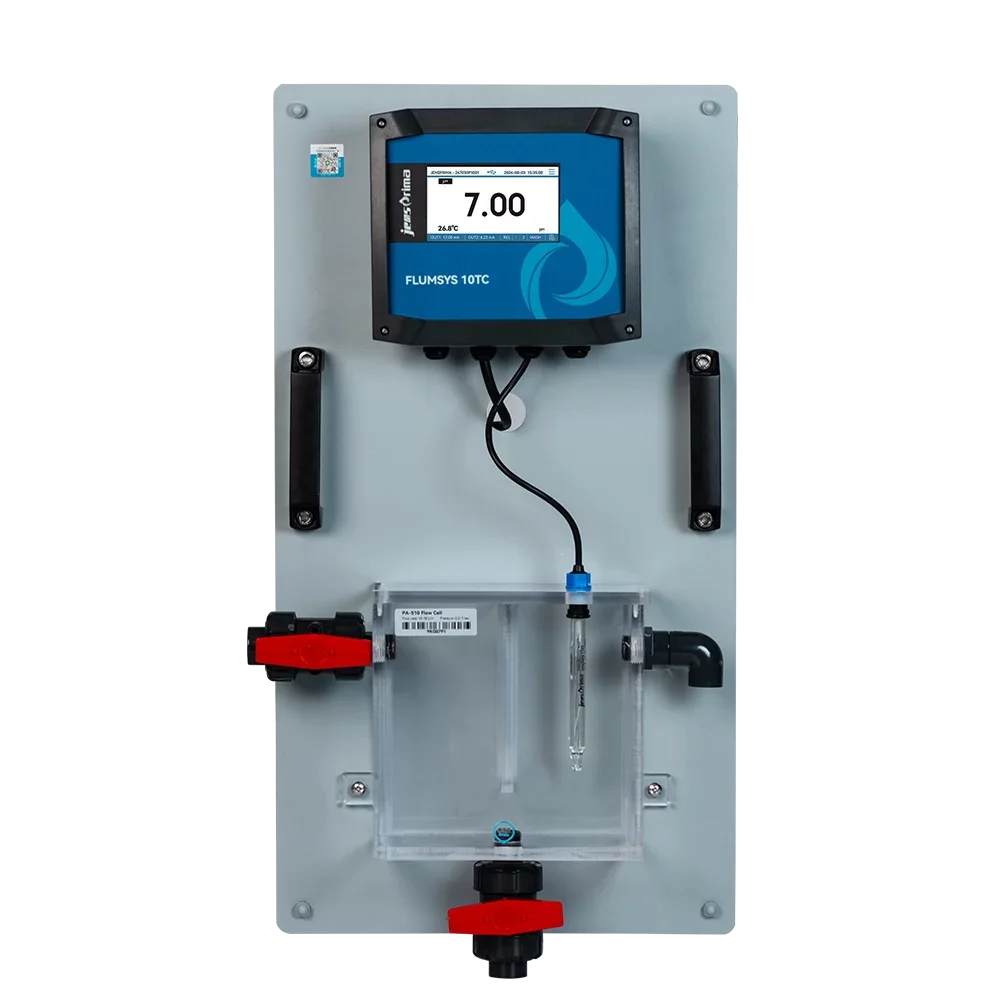
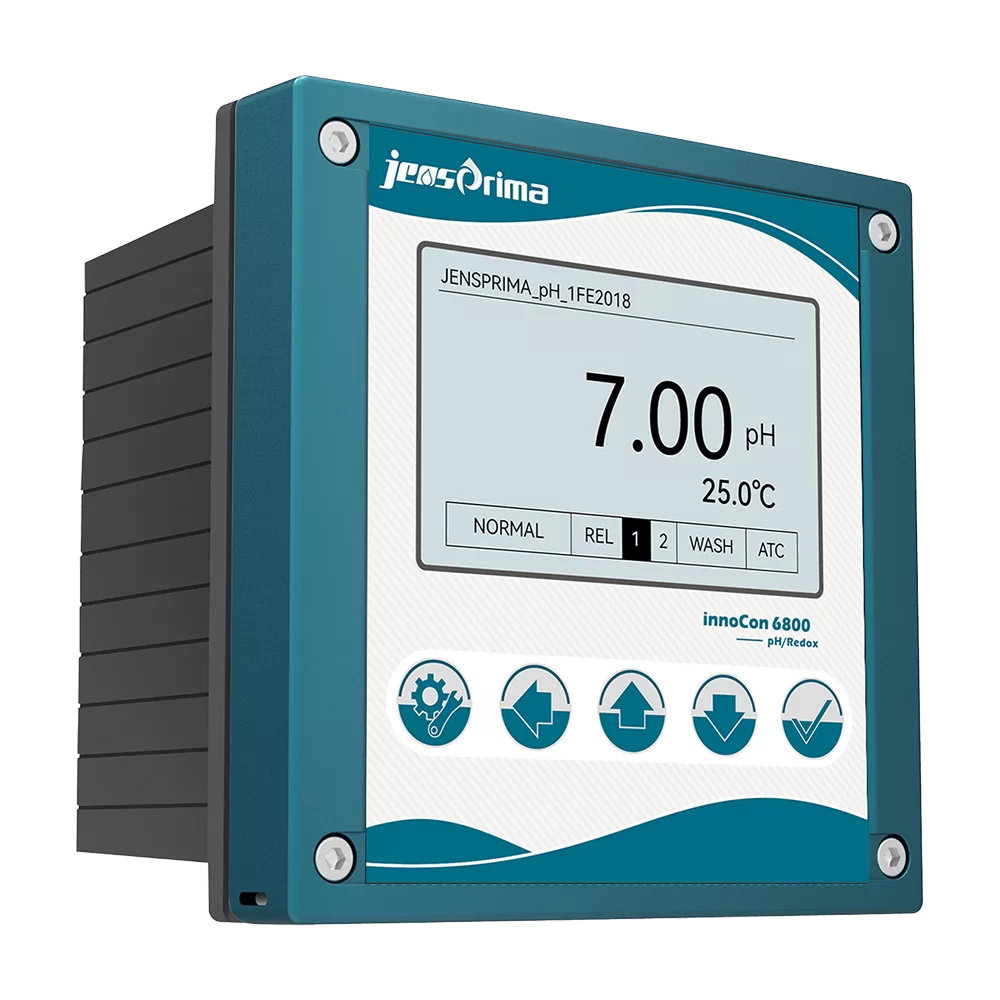
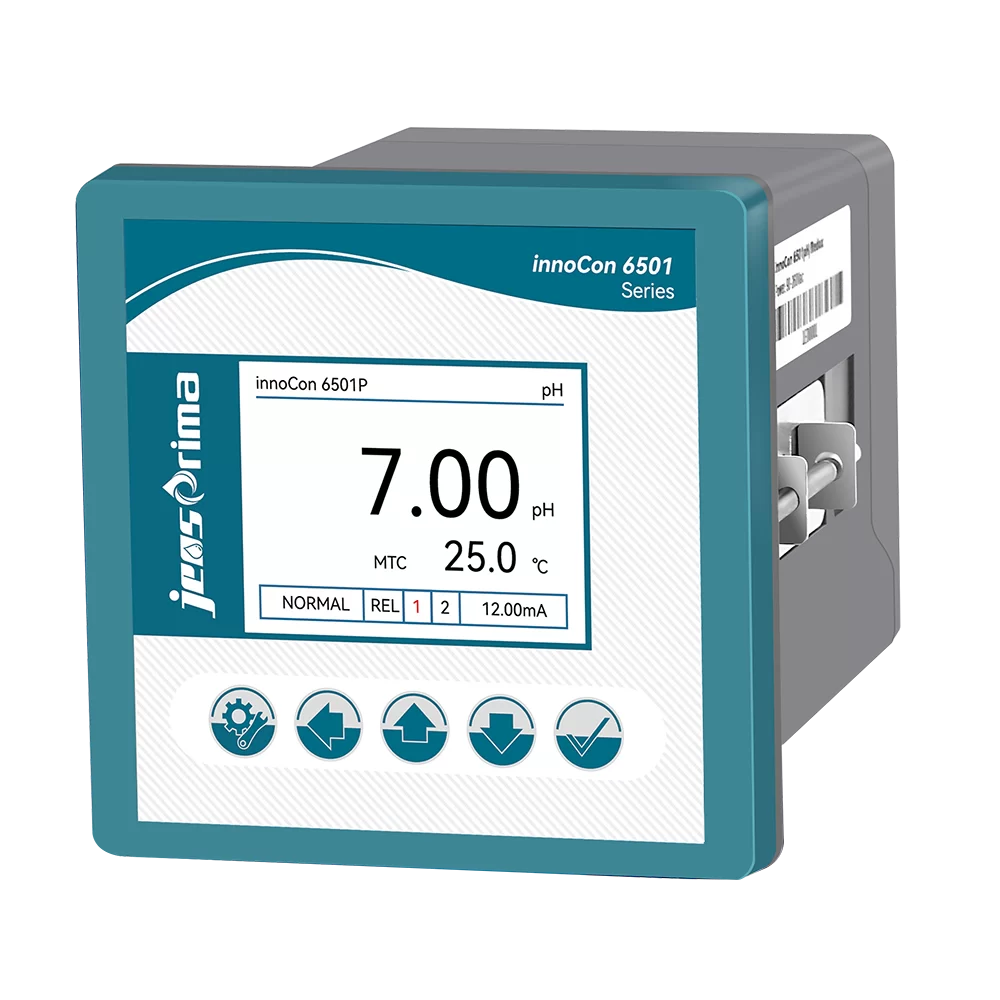
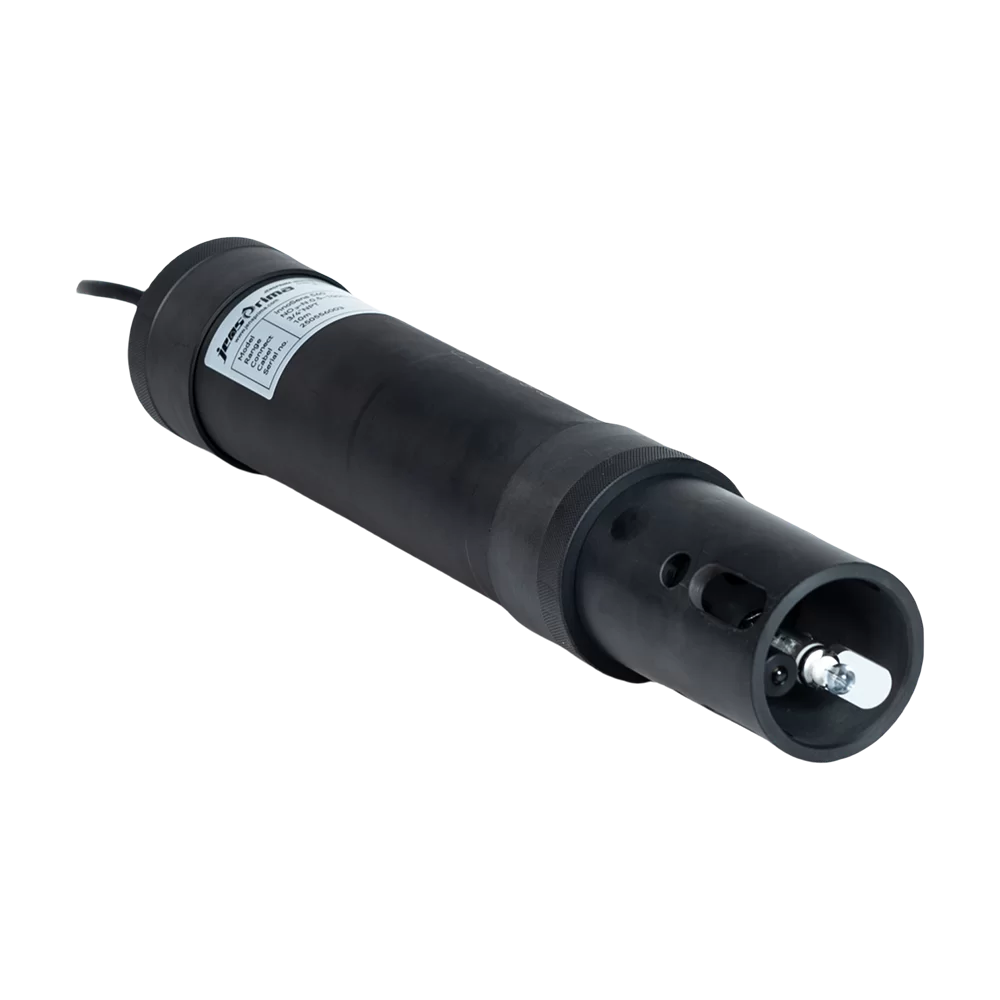
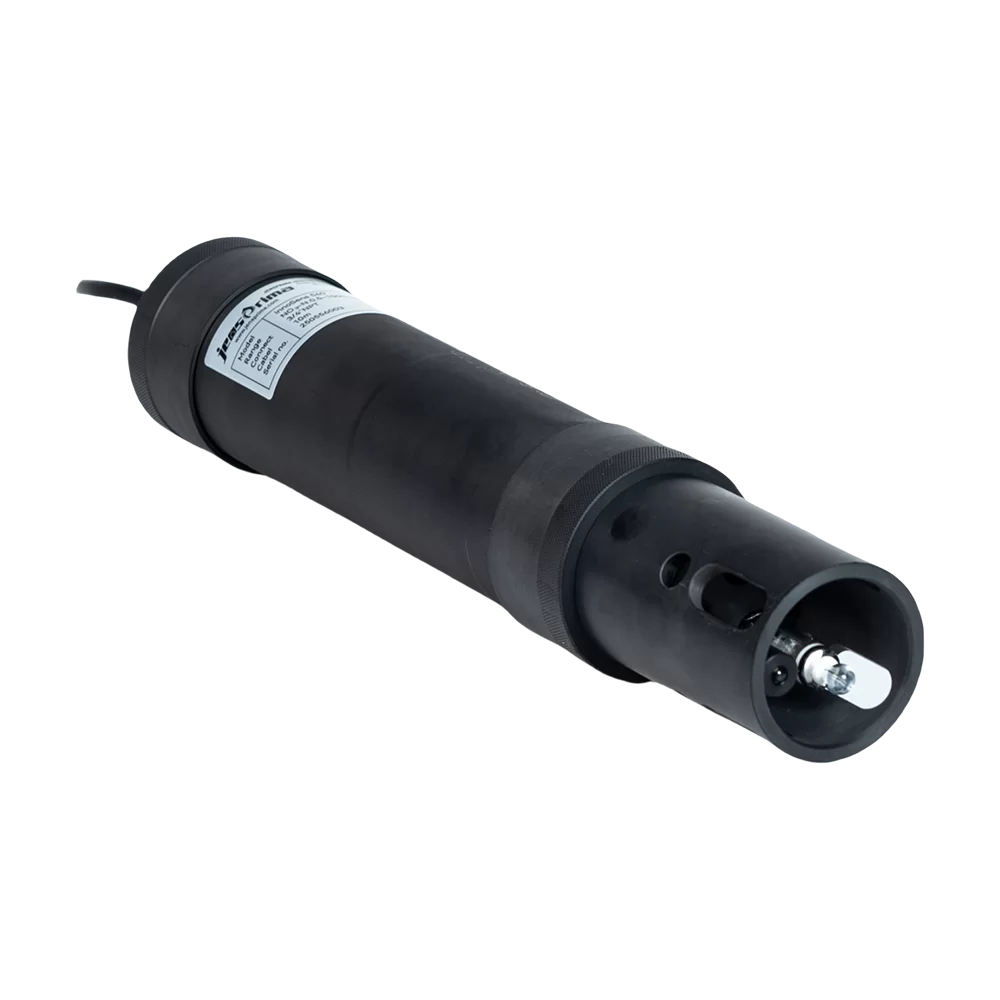
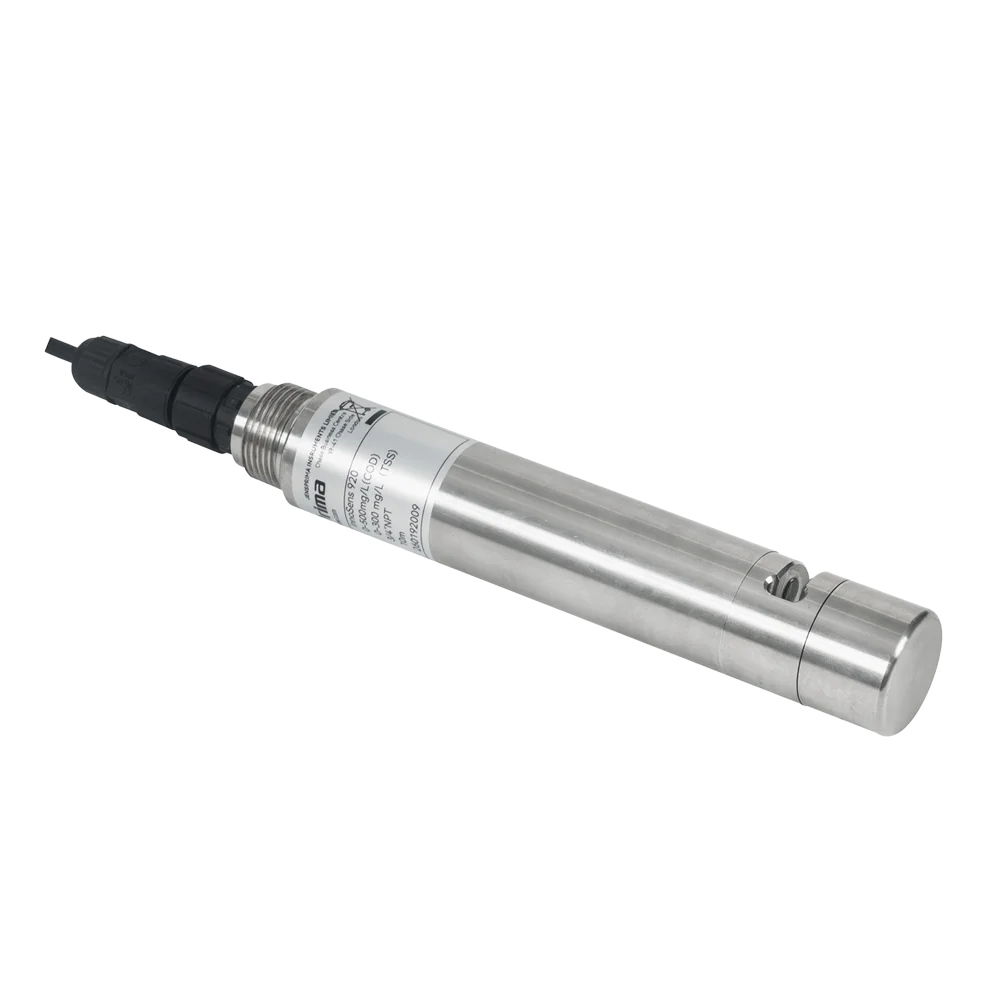
An online alkalinity analyzer is a sophisticated instrument designed to measure the alkalinity of a water sample directly, in real-time, and without the need for manual sampling or laboratory analysis. These systems typically employ potentiometric titration or other advanced sensing technologies to determine the concentration of bicarbonate, carbonate, and hydroxide ions – the primary components contributing to alkalinity.
Unlike traditional methods, online analyzers provide a continuous stream of data, allowing for immediate detection of changes in alkalinity levels. This is crucial in applications where rapid response is essential, such as power plant cooling water systems, wastewater treatment plants, and industrial process water control.
The connection to modern industry and humanitarian needs is significant. In industrial contexts, optimized alkalinity control translates to reduced corrosion, improved process efficiency, and lowered chemical consumption. In humanitarian settings, ensuring safe drinking water often relies on maintaining appropriate alkalinity levels for effective disinfection.
Key Features of Advanced Systems
Accuracy and Reliability: High-quality online alkalinity analyzer systems are designed to deliver accurate and reliable measurements, even in challenging water matrices. Precise sensors and robust calibration procedures ensure data integrity.
Low Maintenance: Modern analyzers often feature automated cleaning and calibration functions, minimizing the need for manual intervention and reducing downtime. This contributes to significant cost savings over the lifespan of the instrument.
Remote Monitoring & Control: Many systems offer remote access capabilities, allowing operators to monitor alkalinity levels and adjust treatment processes from anywhere with an internet connection. This enhances operational flexibility and efficiency.
Data Logging & Reporting: Comprehensive data logging and reporting features provide valuable insights into trends and patterns, enabling proactive optimization of water treatment processes and ensuring regulatory compliance.
Robust Construction: Analyzers designed for industrial environments are built to withstand harsh conditions, including extreme temperatures, corrosive atmospheres, and physical impacts.
Practical Applications Across Industries
The applications of online alkalinity analyzer are diverse and span numerous industries. In the power generation sector, monitoring alkalinity in cooling water prevents scaling and corrosion, extending the lifespan of critical equipment.
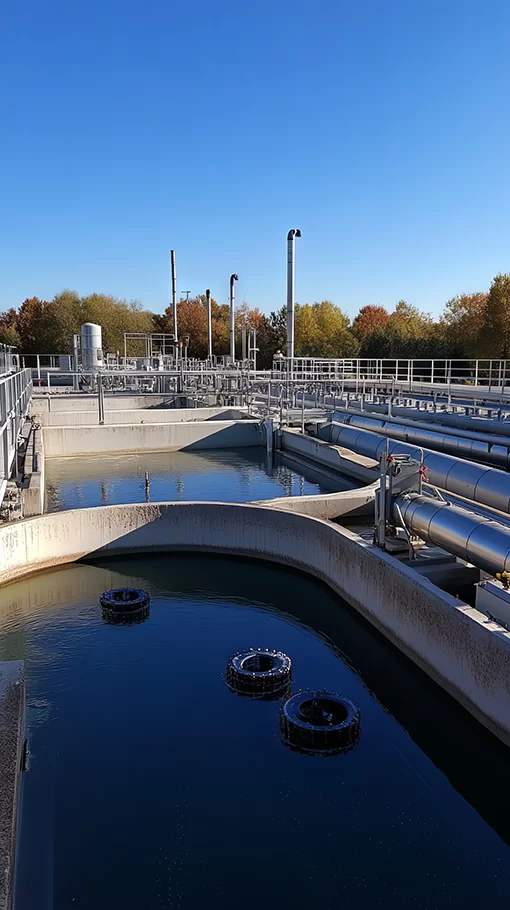
Wastewater treatment plants utilize these analyzers to optimize chemical dosing for pH control and ensure compliance with discharge regulations. In the food and beverage industry, alkalinity monitoring is essential for maintaining product quality and ensuring consistent processes. Furthermore, in environmental monitoring programs, real-time alkalinity data provides valuable insights into water quality trends and the impact of pollution.
Alkalinity Analyzer Performance Comparison
Benefits and Long-Term Value Proposition
Implementing online alkalinity analyzer systems yields a multitude of benefits. Cost savings are realized through reduced chemical consumption, minimized downtime, and improved process efficiency. Sustainability is enhanced by optimizing water usage and reducing environmental impact.
From a social impact perspective, reliable water quality monitoring ensures the safety and health of communities. The inherent reliability of these systems fosters trust among stakeholders, demonstrating a commitment to responsible water management. Ultimately, investing in advanced alkalinity analysis is an investment in a more sustainable and secure future.
Emerging Trends and Innovations
The future of alkalinity analysis is poised for further advancements. The integration of artificial intelligence (AI) and machine learning (ML) is enabling predictive modeling and proactive process control. New sensor technologies are emerging, offering improved sensitivity, selectivity, and durability.
The trend towards miniaturization and wireless connectivity is leading to the development of more portable and versatile analyzers, suitable for remote monitoring applications. Furthermore, the increasing focus on green chemistry is driving the development of more environmentally friendly reagents and calibration standards.
Digital transformation within the water industry is facilitating seamless data integration and analysis, providing operators with a holistic view of their water systems. Automation is also playing a key role, streamlining operations and reducing the risk of human error.
Challenges and Potential Solutions
Despite the advancements, challenges remain. Fouling and bio-growth on sensors can affect accuracy and require regular cleaning. Matrix interference from other water constituents can also complicate measurements. Calibration drift over time is another potential issue.
Innovative solutions are being developed to address these challenges. Automated cleaning systems, advanced sensor coatings, and sophisticated data processing algorithms are minimizing the impact of fouling and interference. Remote calibration and diagnostic capabilities are enhancing system reliability and reducing maintenance costs.
Furthermore, the development of robust and user-friendly software interfaces is simplifying data analysis and empowering operators to make informed decisions. Proper training and ongoing support are also crucial for maximizing the benefits of online alkalinity analyzer systems.
Summary of Online Alkalinity Analyzer Challenges and Solutions
| Challenge |
Impact on Performance |
Potential Solution |
Implementation Cost (1-10) |
| Sensor Fouling |
Reduced Accuracy, Frequent Calibration |
Automated Cleaning Systems |
6 |
| Matrix Interference |
False Readings, Unreliable Data |
Advanced Data Filtering Algorithms |
7 |
| Calibration Drift |
Decreased Accuracy over Time |
Remote Calibration Capabilities |
5 |
| High Initial Cost |
Budget Constraints |
Leasing Options & Cost-Benefit Analysis |
4 |
| Lack of Trained Personnel |
Improper Operation & Maintenance |
Comprehensive Training Programs |
3 |
| Data Security Concerns |
Vulnerability to Cyberattacks |
Robust Cybersecurity Protocols |
8 |
FAQS
Switching to an online alkalinity analyzer offers significant advantages. Manual testing is time-consuming, labor-intensive, and prone to human error. Online systems provide continuous, real-time data, enabling faster response times to changing conditions, optimized chemical dosing, and reduced operational costs. They also free up personnel for other critical tasks, improving overall efficiency and allowing for proactive rather than reactive management of alkalinity levels. Furthermore, continuous monitoring improves data accuracy and reliability.
Maintenance requirements vary depending on the specific model and the water quality being monitored. However, modern online alkalinity analyzer systems are designed for minimal maintenance. Typically, this includes periodic cleaning of the sensor to prevent fouling, occasional calibration using standard solutions, and routine inspection of tubing and connections. Automated cleaning systems can significantly reduce the frequency of manual cleaning. Regular preventative maintenance as outlined by the manufacturer is crucial for optimal performance and longevity.
Sensor fouling – the accumulation of deposits like scale, biofilm, or particulate matter on the sensor surface – can significantly affect the accuracy of an online alkalinity analyzer. These deposits interfere with the measurement process, leading to inaccurate readings and potentially false alarms. Fouling can also cause drift in calibration, requiring more frequent calibrations. Regular cleaning and the use of anti-fouling measures are essential to maintain accuracy and reliability.
Online alkalinity analyzer systems are versatile and can be used to analyze a wide range of water samples, including raw water, process water, wastewater, cooling water, and boiler water. However, the suitability of a particular system depends on the specific characteristics of the water sample, such as pH, temperature, and the presence of interfering substances. It’s important to select a system that is specifically designed for the intended application and to follow the manufacturer's recommendations for sample preparation and analysis.
Yes, most modern online alkalinity analyzer systems are designed for seamless integration with Supervisory Control and Data Acquisition (SCADA) systems. They typically support standard communication protocols such as Modbus, 4-20mA, and Ethernet, allowing for easy data transfer and remote monitoring. This integration enables operators to view alkalinity data alongside other process parameters, facilitating comprehensive process control and optimization.
The lifespan of an online alkalinity analyzer typically ranges from 5 to 10 years, depending on the quality of the instrument, the severity of the operating environment, and the level of maintenance provided. Regular preventative maintenance, including sensor cleaning and calibration, can significantly extend the lifespan of the analyzer. Investing in a high-quality system from a reputable manufacturer is crucial for ensuring long-term reliability and performance.
Conclusion
In conclusion, online alkalinity analyzer systems are essential tools for optimizing water quality management across diverse industries. Their ability to provide real-time, accurate data empowers operators to proactively control processes, reduce costs, and enhance sustainability. From safeguarding critical infrastructure to ensuring environmental compliance, the benefits are far-reaching.
Looking ahead, continued innovation in sensor technology, data analytics, and automation will further enhance the capabilities of these systems. Investing in online alkalinity analysis is not merely adopting a technology; it’s embracing a proactive approach to water management, paving the way for a more efficient, sustainable, and secure future. Visit our website at www.jensprima.com to learn more about how we can help you optimize your water quality monitoring.



 Download
 Video Center
 Technical Services
 FAQS
FAQS Service Network
 Privacy Policy
 Contact Us