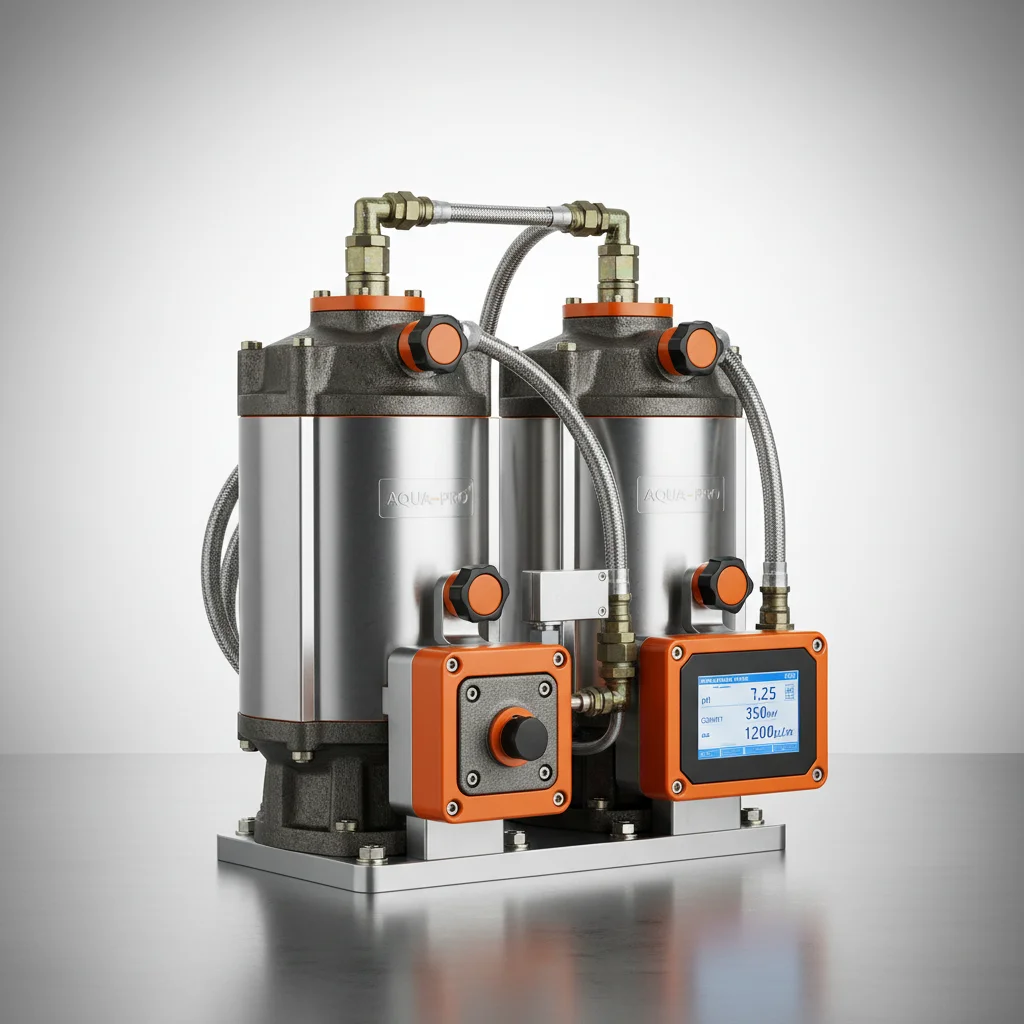
The accurate and reliable monitoring of free chlorine levels is paramount across a diverse spectrum of applications, from ensuring safe drinking water and maintaining effective wastewater treatment to optimizing industrial processes and safeguarding recreational water quality. A free chlorine monitor provides continuous, real-time data, enabling proactive control and preventing costly disruptions or health hazards. This technology represents a critical component of modern water management systems.
Globally, the demand for robust water quality monitoring solutions is escalating, driven by stricter environmental regulations, growing populations, and increasing awareness of waterborne diseases. Developing nations, in particular, are facing significant challenges in providing access to safe and clean water, making reliable free chlorine monitor systems essential for public health initiatives. Furthermore, industries are under pressure to minimize their environmental footprint, necessitating precise monitoring and control of disinfectant levels.
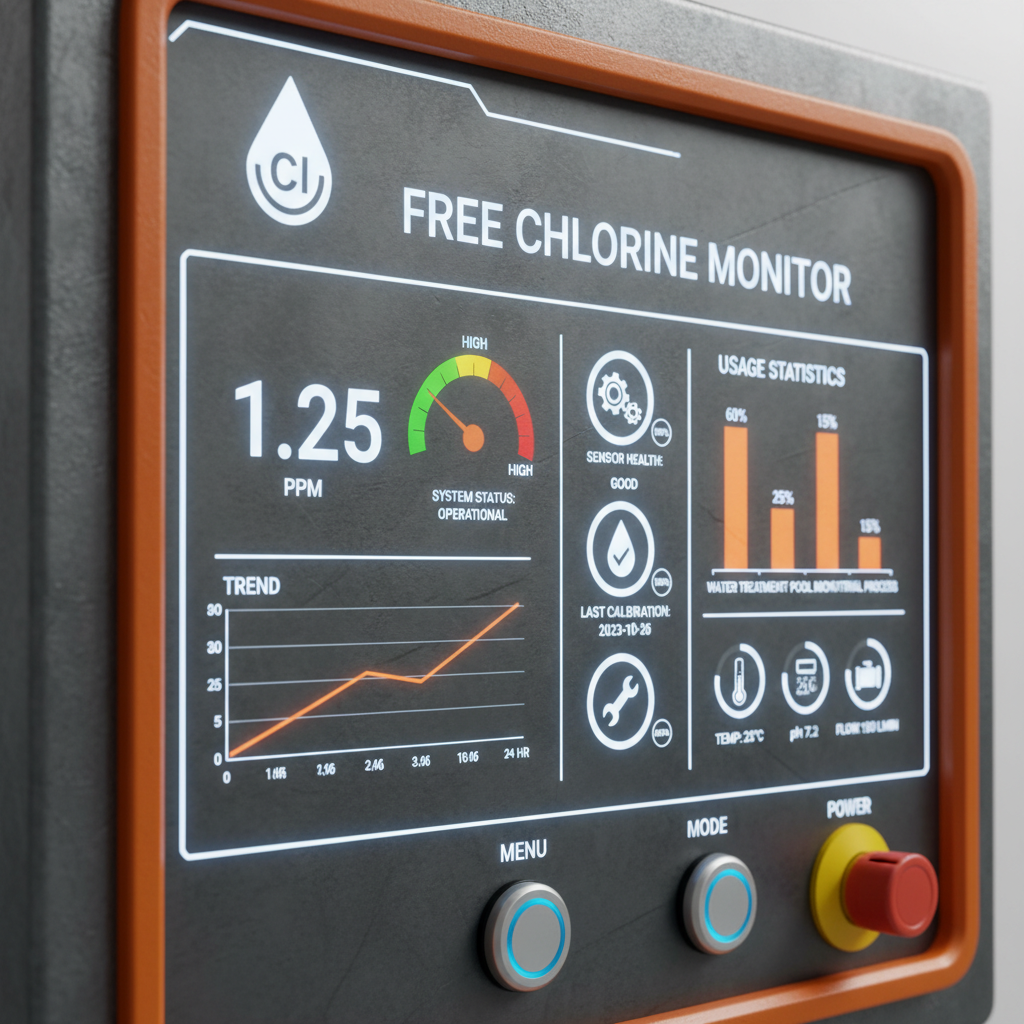
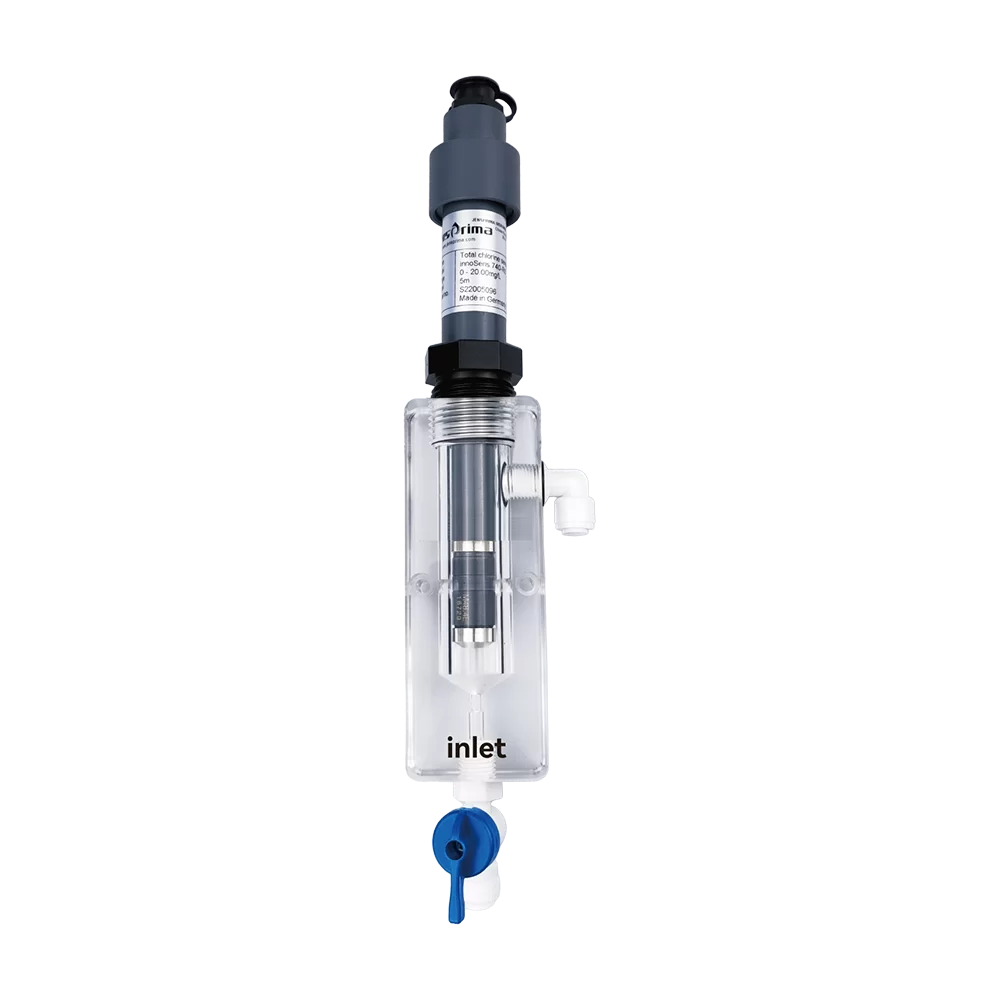
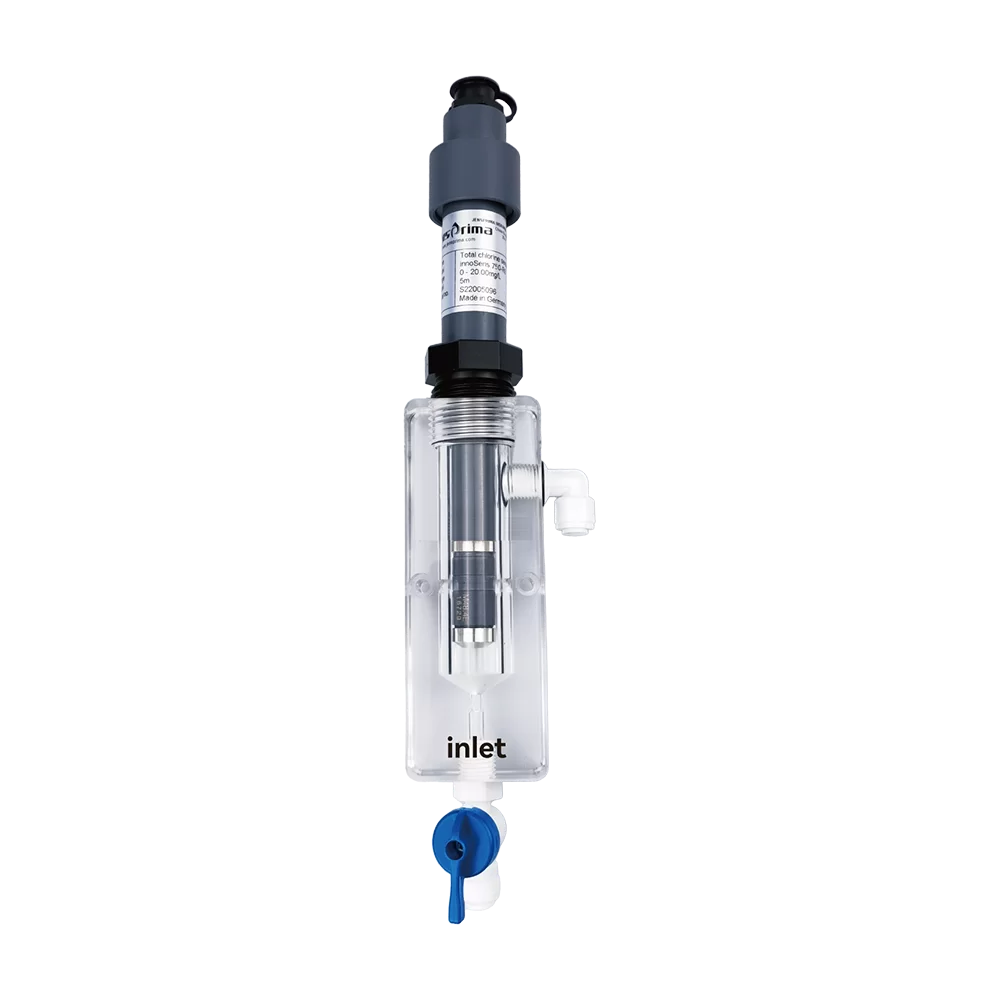
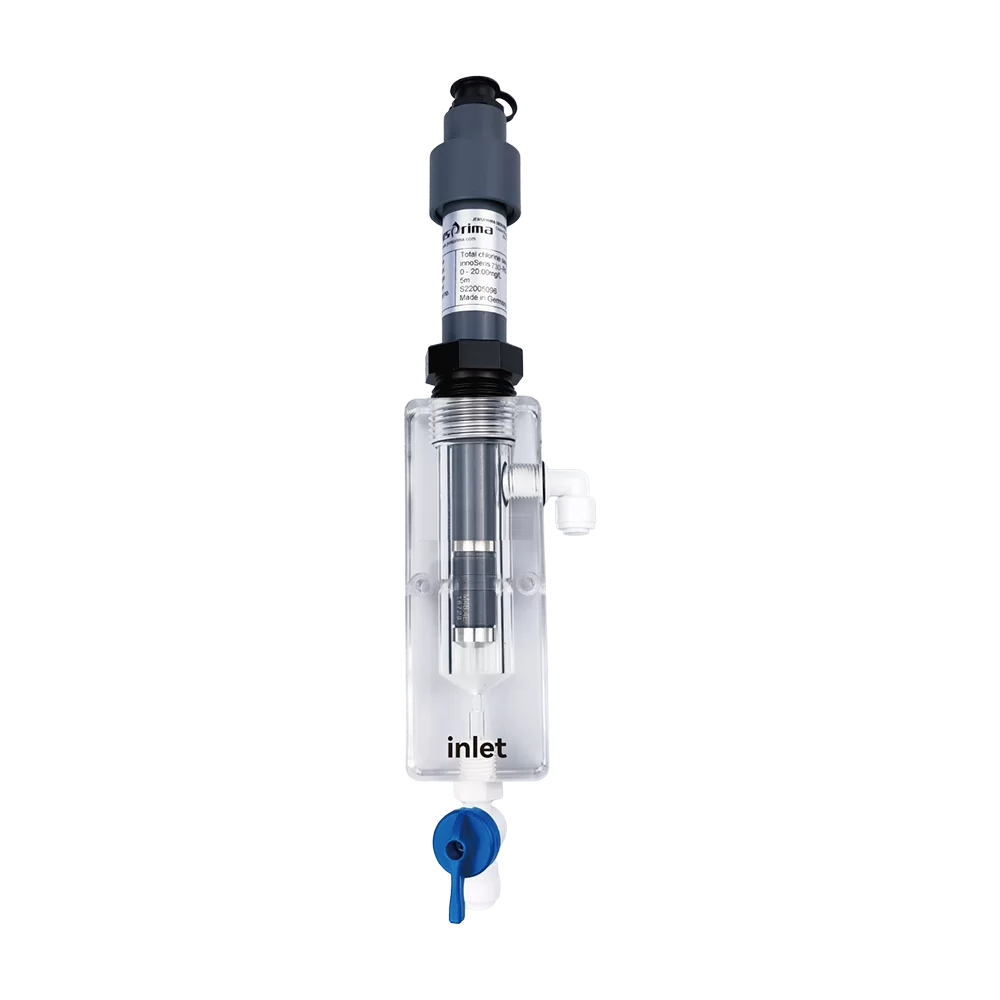
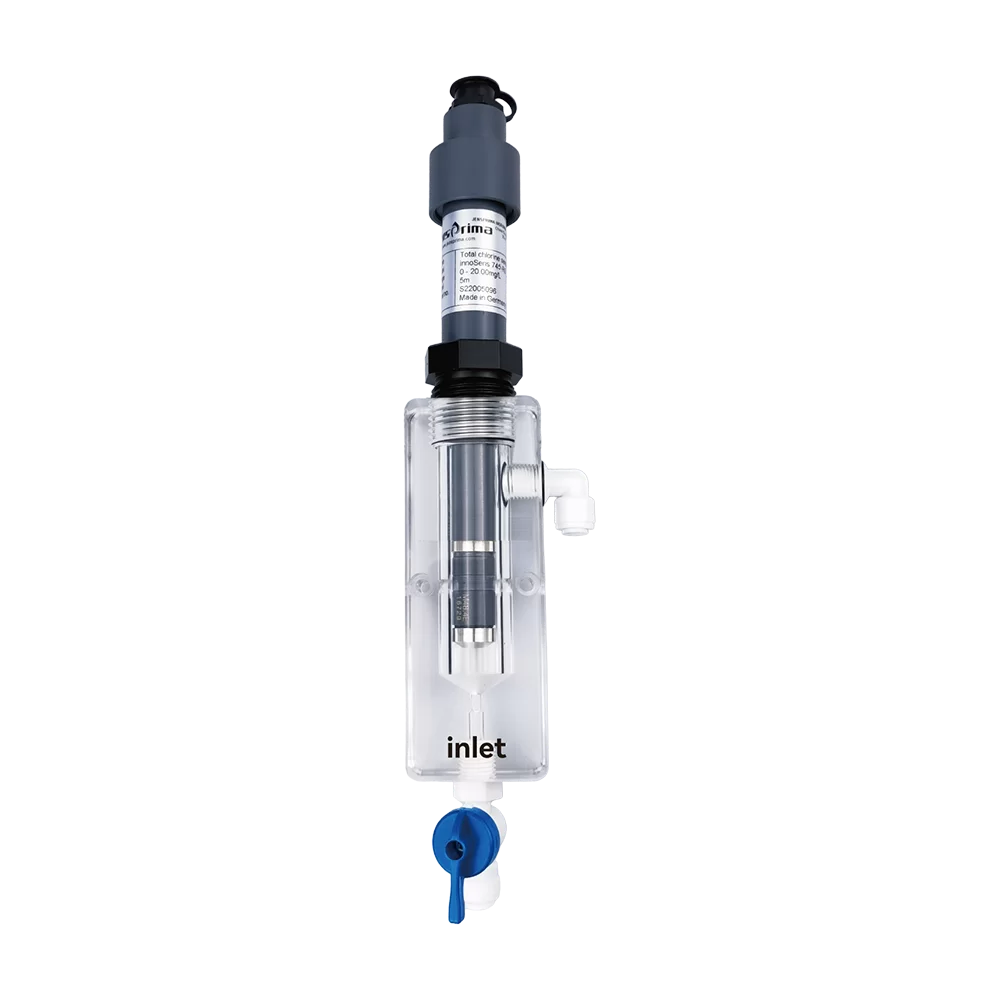
A free chlorine monitor is an analytical instrument used to determine the concentration of free chlorine (hypochlorous acid and hypochlorite ion) in water. Unlike total chlorine measurements, free chlorine is the active form responsible for disinfection, making its precise measurement critical. These monitors utilize various sensing technologies, such as amperometry or colorimetry, to deliver continuous and accurate readings, allowing for real-time adjustments to maintain optimal disinfection levels and minimize the formation of harmful disinfection byproducts.
Understanding the Importance of Free Chlorine Monitoring
Maintaining the correct level of free chlorine is crucial for effective disinfection without creating harmful byproducts. Too little chlorine leaves water susceptible to microbial contamination, while excessive levels can lead to undesirable tastes, odors, and the formation of trihalomethanes (THMs) – regulated disinfection byproducts linked to health concerns. A reliable free chlorine monitor ensures optimal disinfection efficacy and minimizes these risks.
The importance extends beyond municipal water treatment. Swimming pools, spas, and industrial cooling water systems all require precise chlorine control. Insufficient chlorine in recreational water can result in the spread of waterborne illnesses, while improper chlorine levels in industrial systems can promote biofouling and corrosion, impacting operational efficiency and equipment lifespan.
Global Water Quality Regulations and Free Chlorine
Numerous international and national regulations govern drinking water quality, and the measurement of free chlorine is a fundamental requirement in most. The World Health Organization (WHO) guidelines, for example, recommend a residual free chlorine concentration of 0.2–0.5 mg/L in distribution systems to ensure adequate disinfection. Similar standards are enforced by the US Environmental Protection Agency (EPA), the European Union, and other regulatory bodies worldwide.
Compliance with these regulations is not merely a legal obligation; it’s a public health imperative. Consistent monitoring with a free chlorine monitor allows water utilities to demonstrate adherence to these standards, protecting consumers and safeguarding public health. Regular audits and reporting often require documented evidence of chlorine levels, making accurate monitoring an essential aspect of water quality management.
The trend in water quality regulations is toward increasingly stringent standards and more frequent monitoring. This necessitates the adoption of advanced monitoring technologies, such as online free chlorine monitor systems, which provide continuous data and automated alerts when chlorine levels deviate from acceptable ranges.
Core Components and Operational Principles of Free Chlorine Monitors
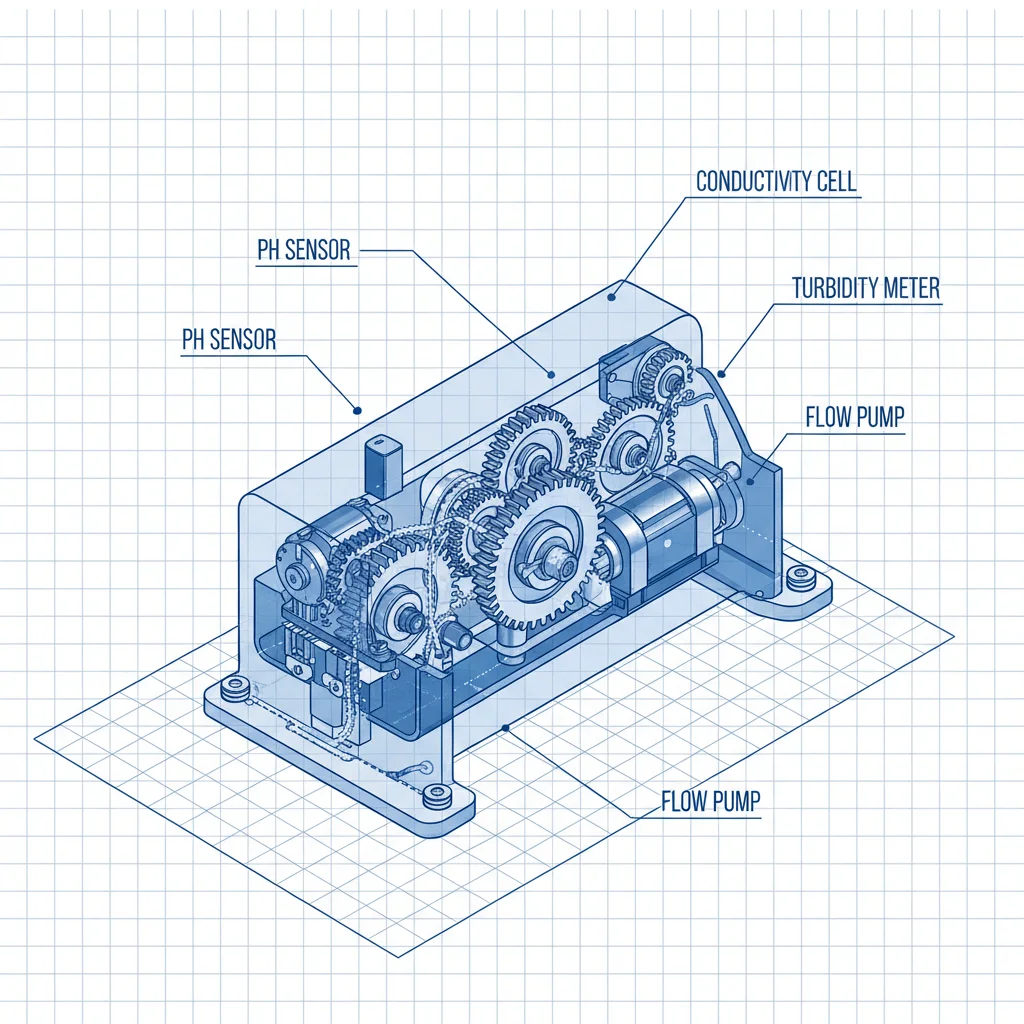
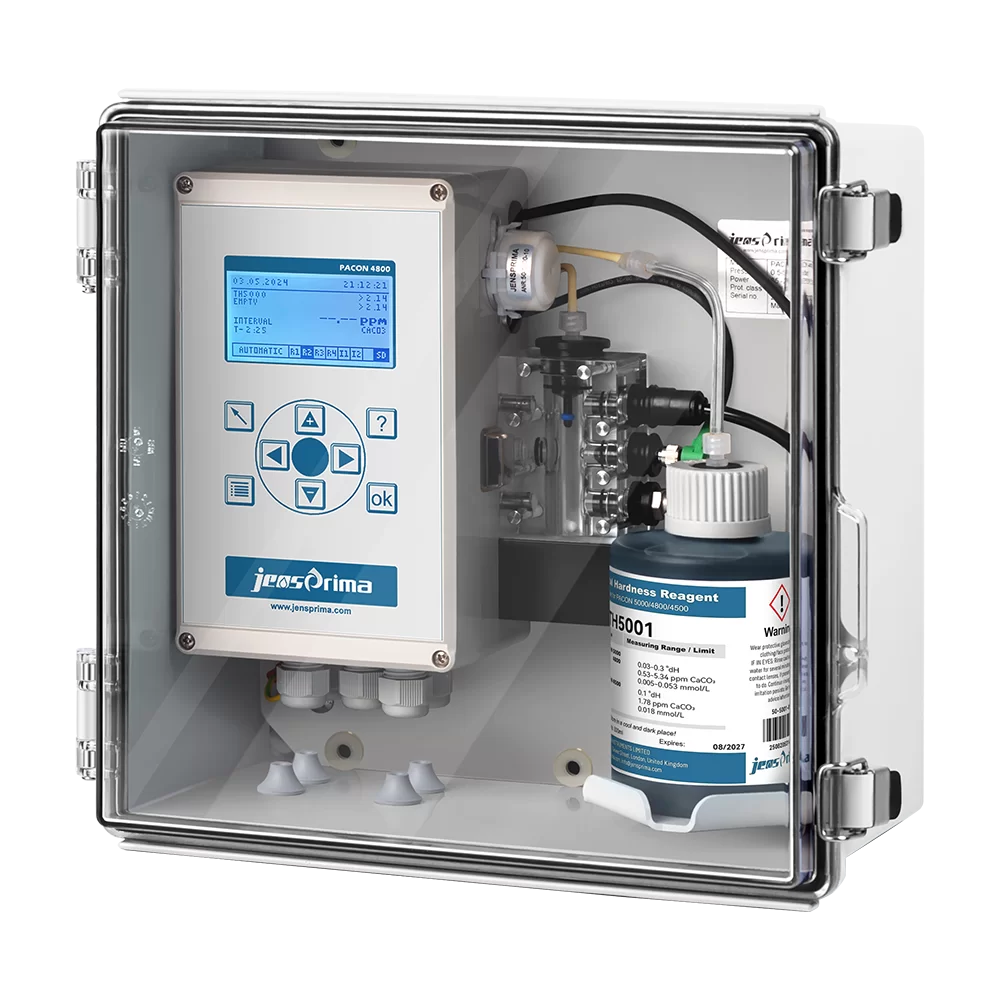
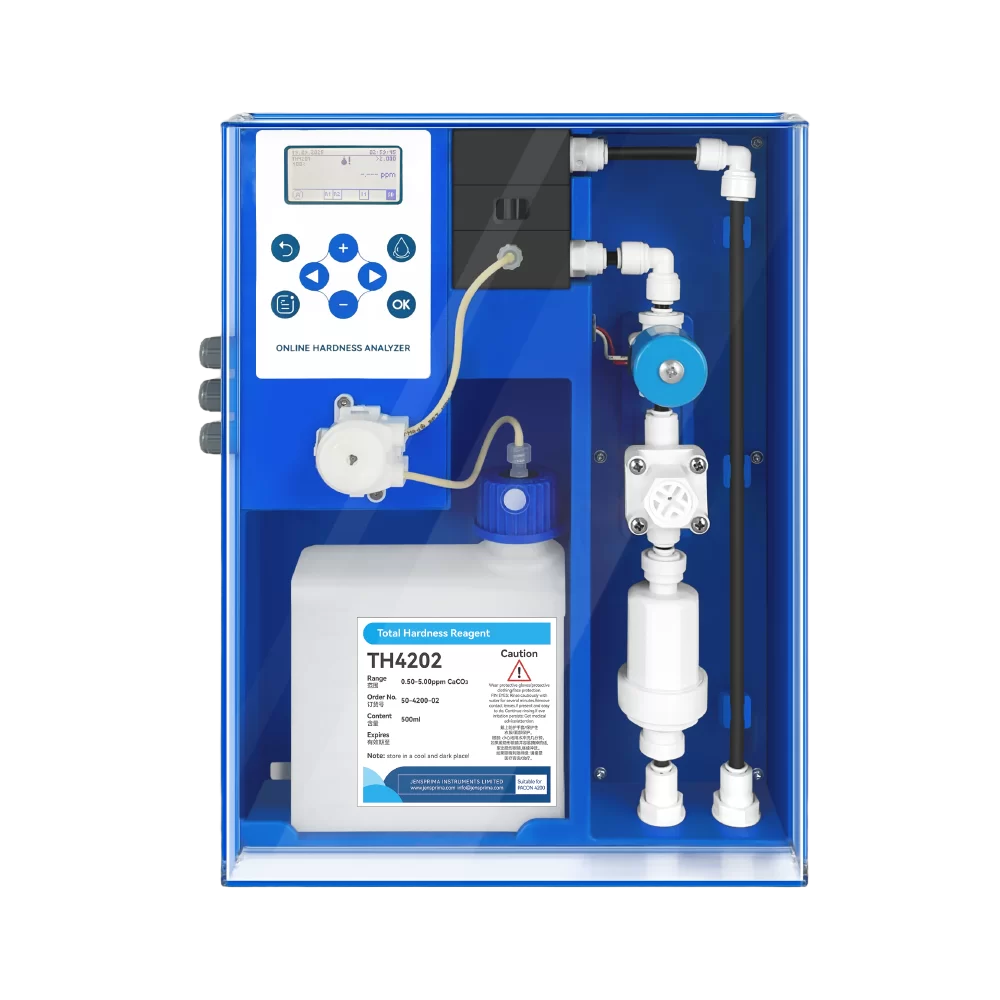
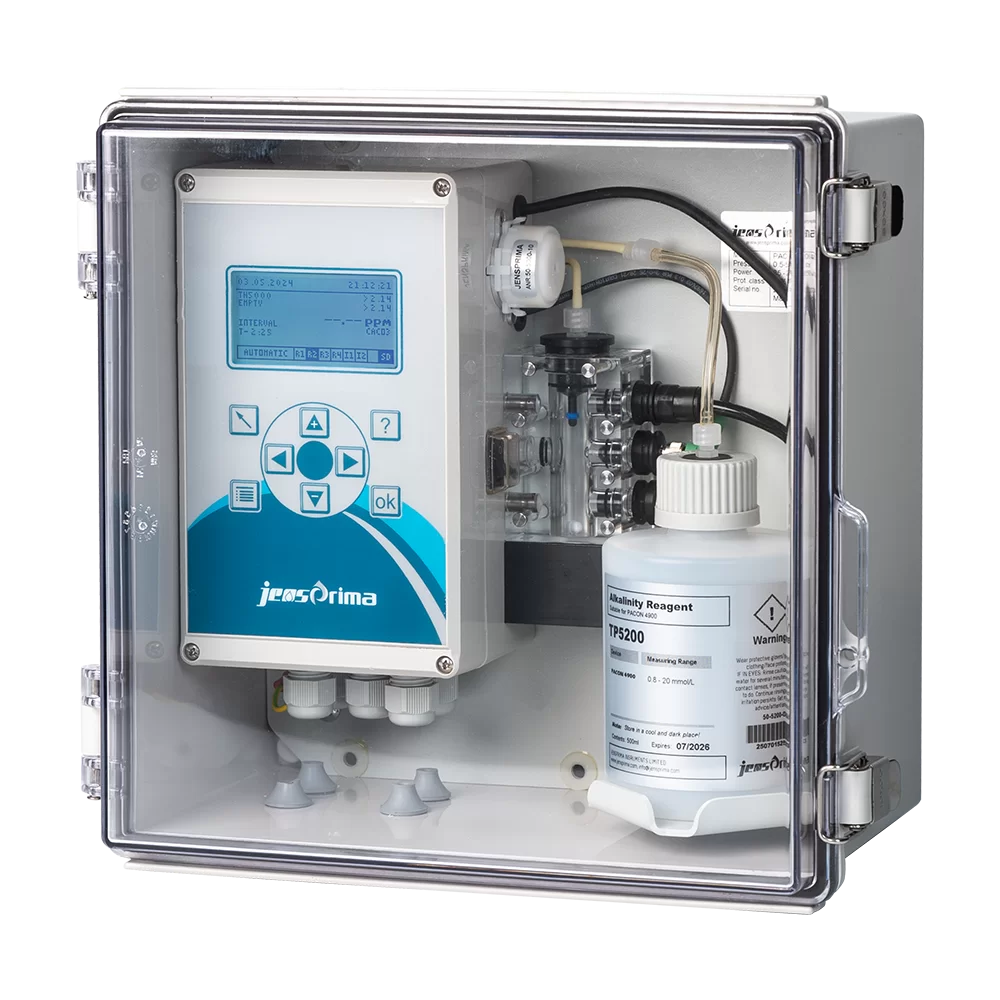
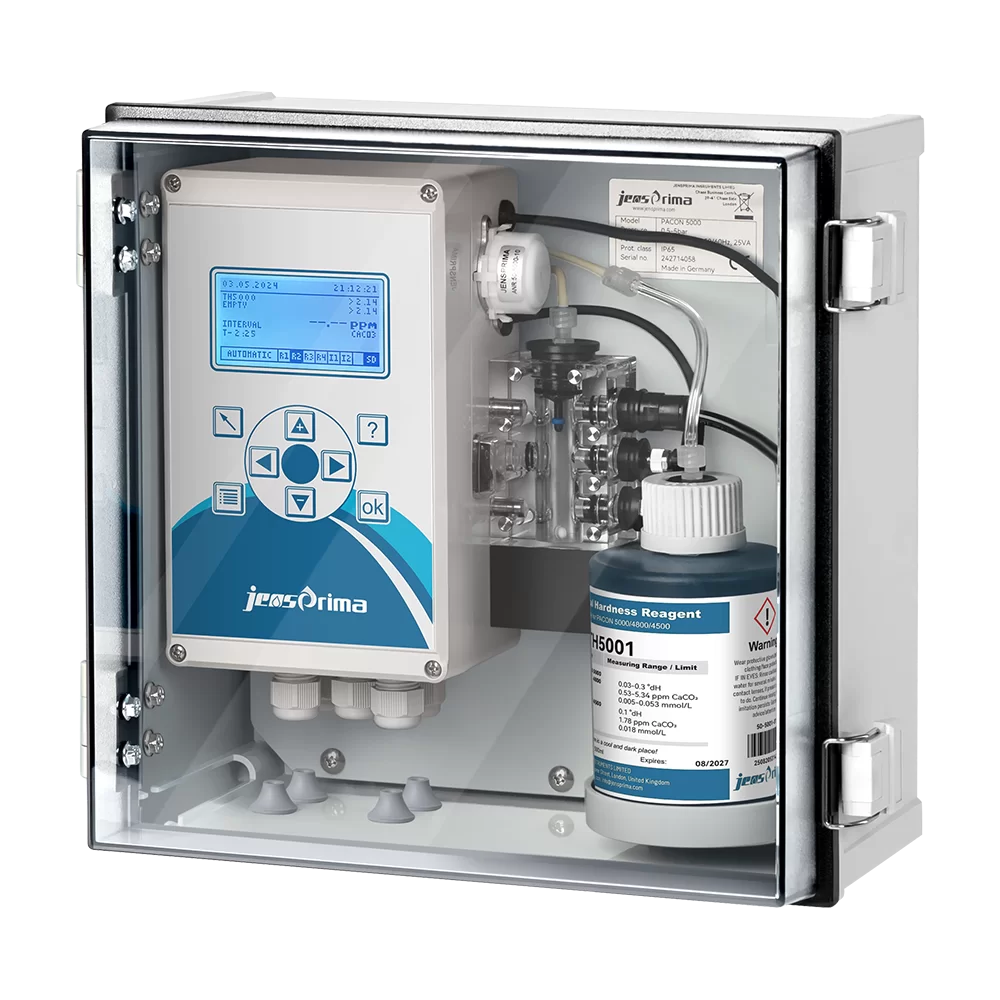
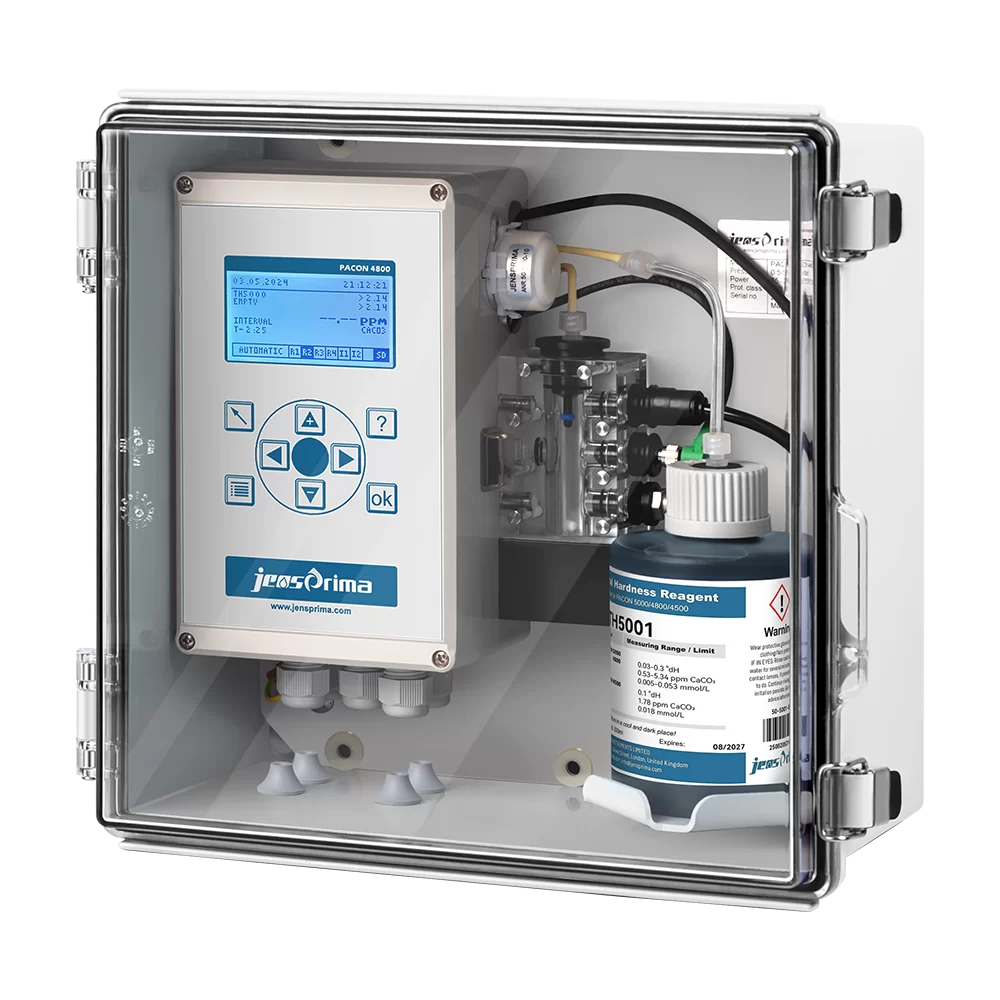
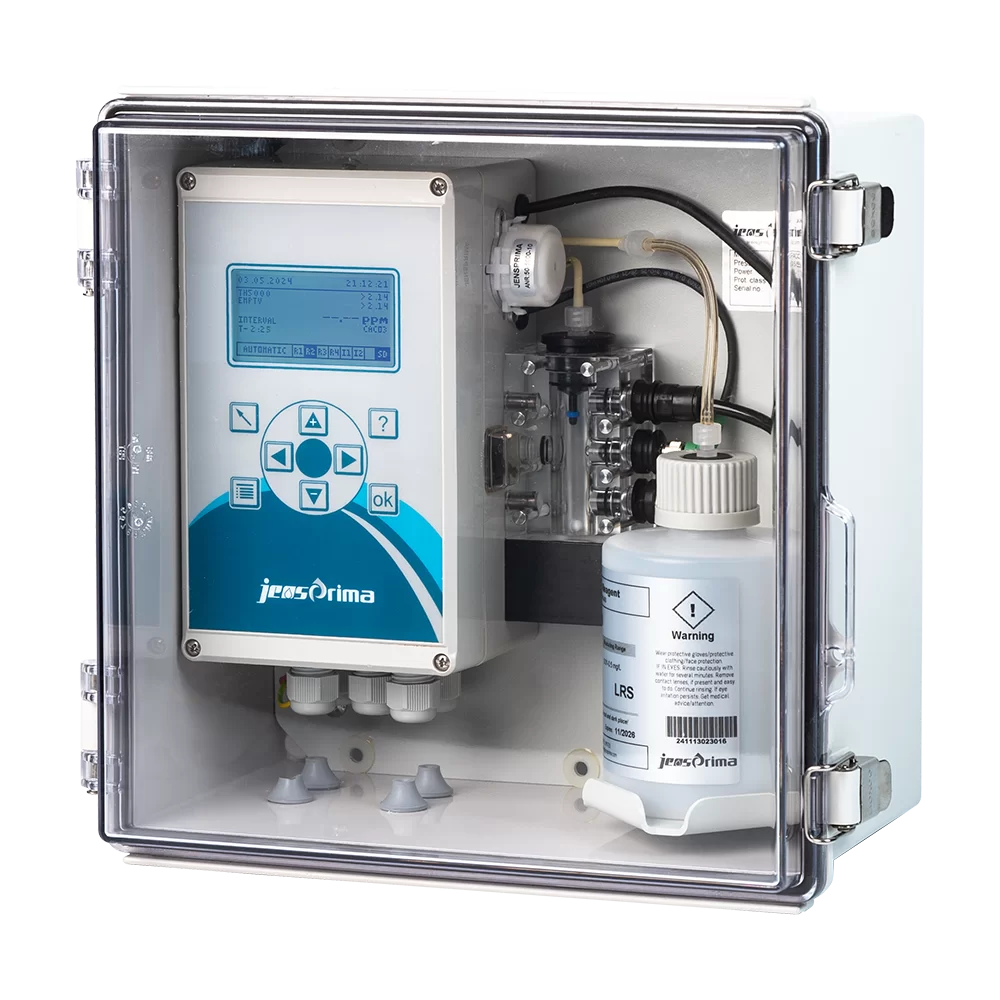
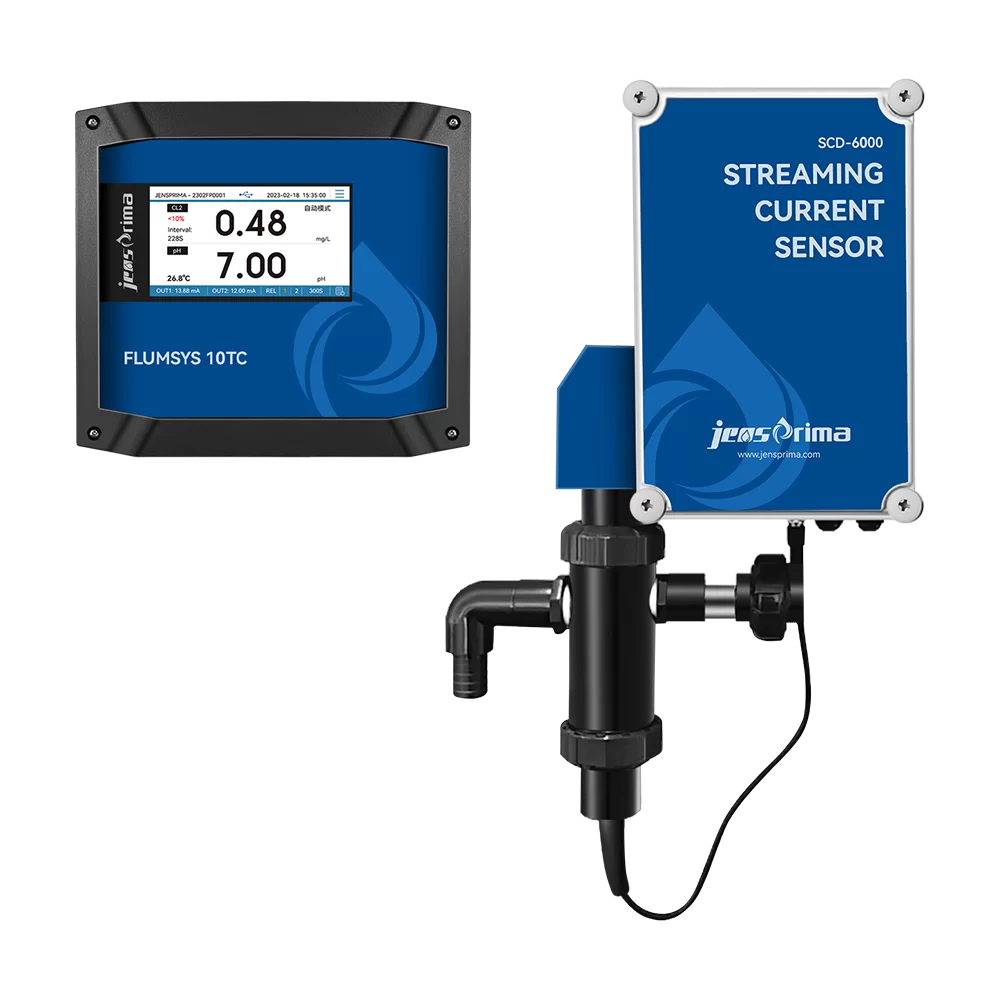
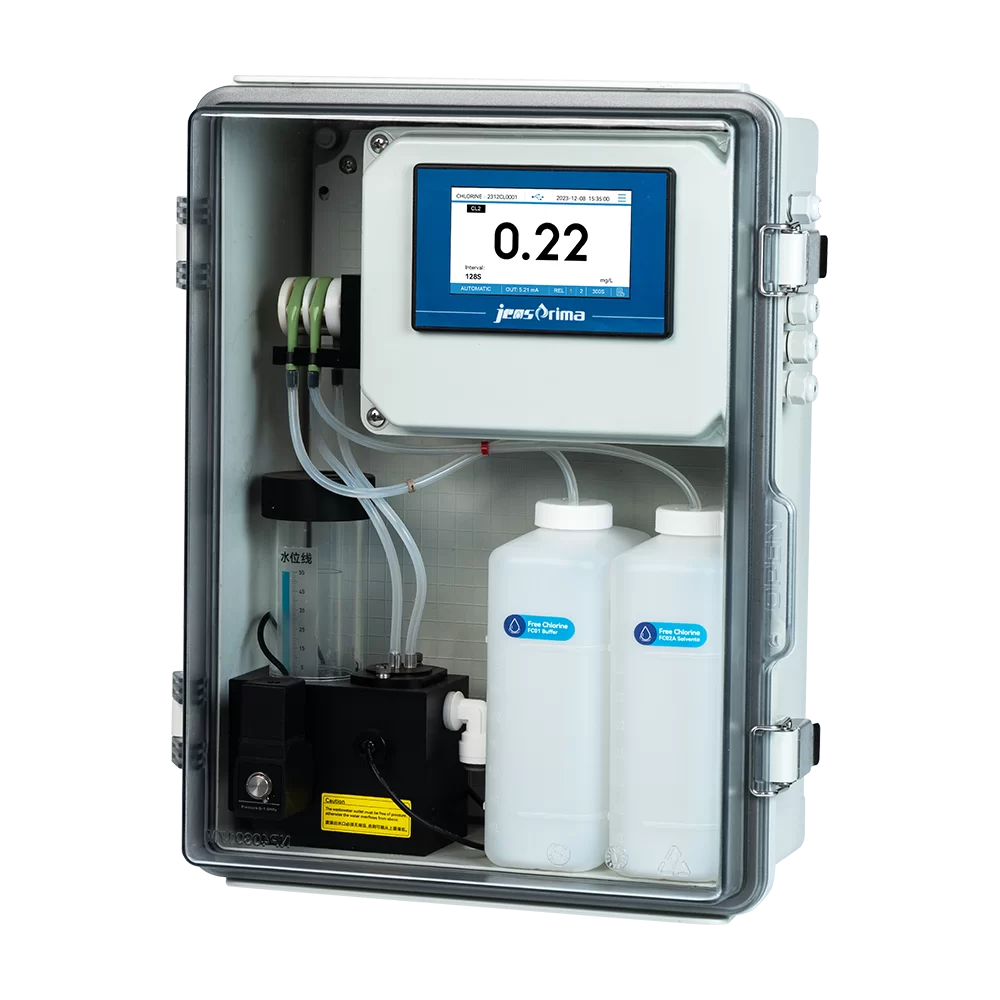
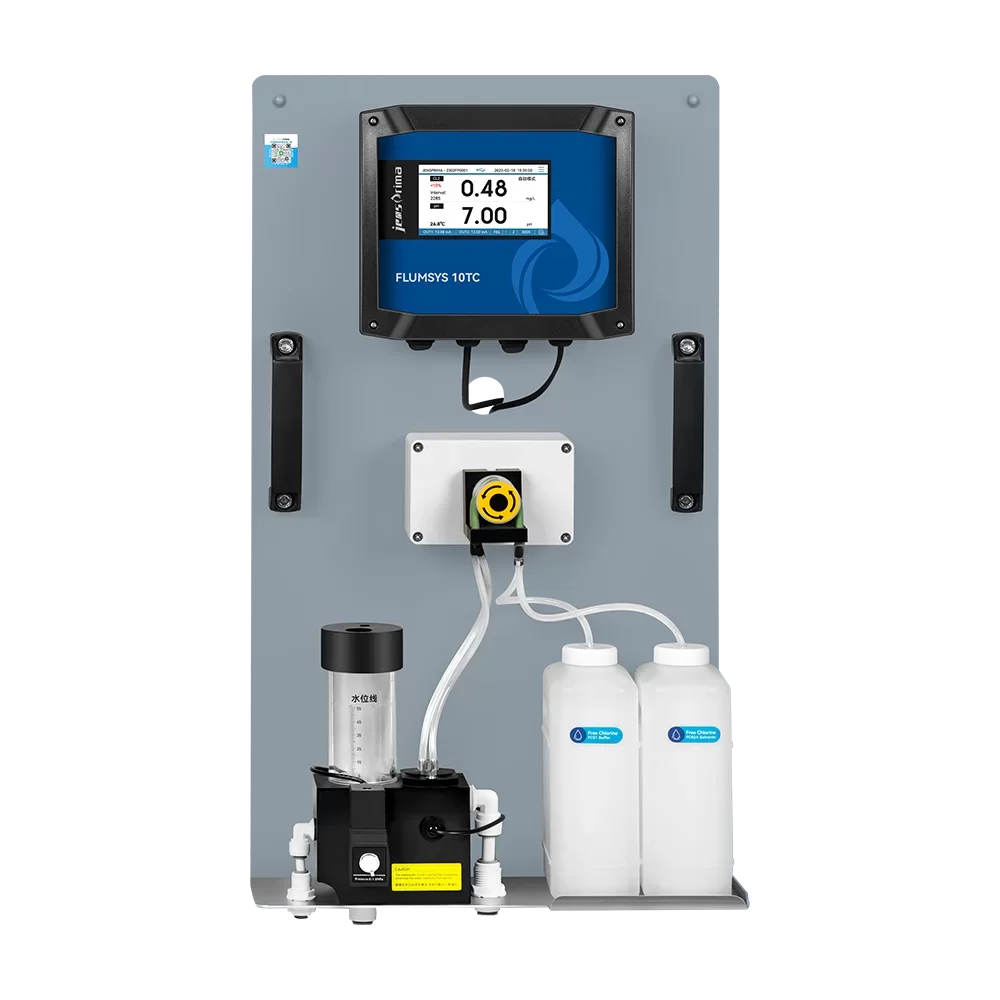
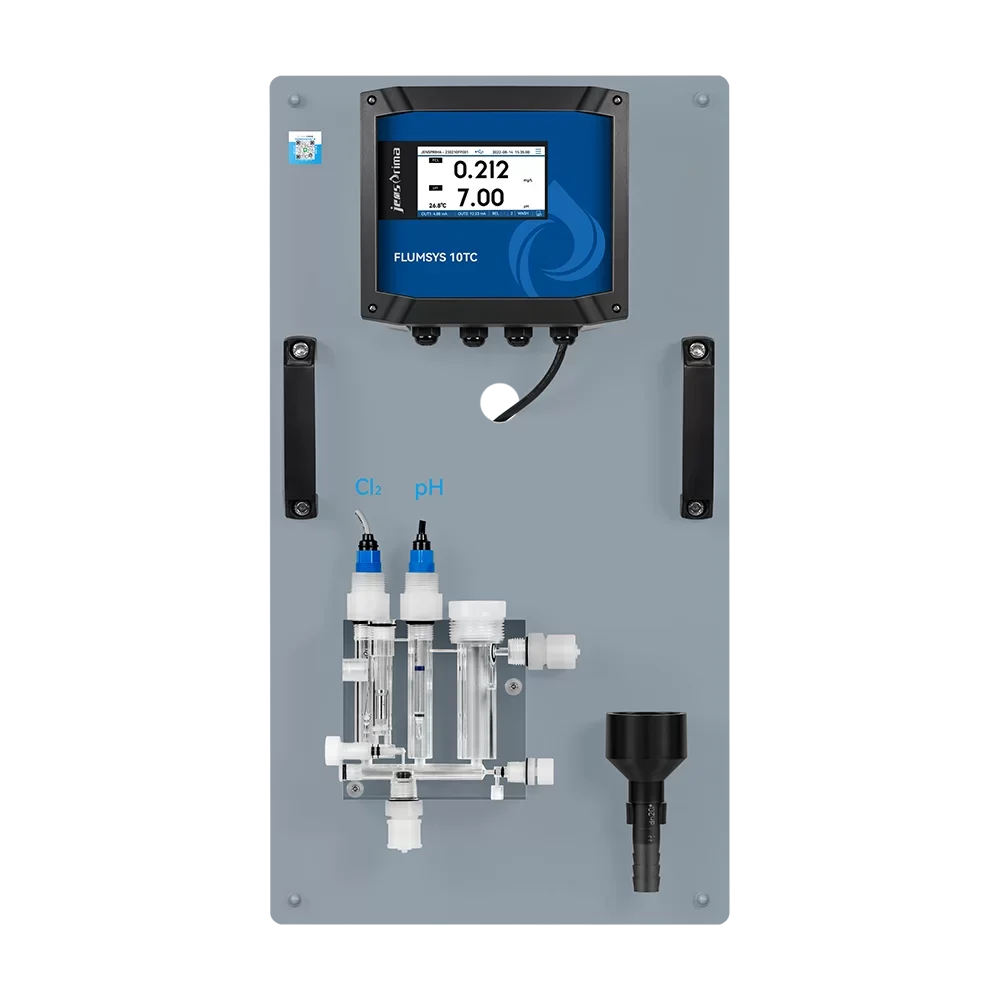
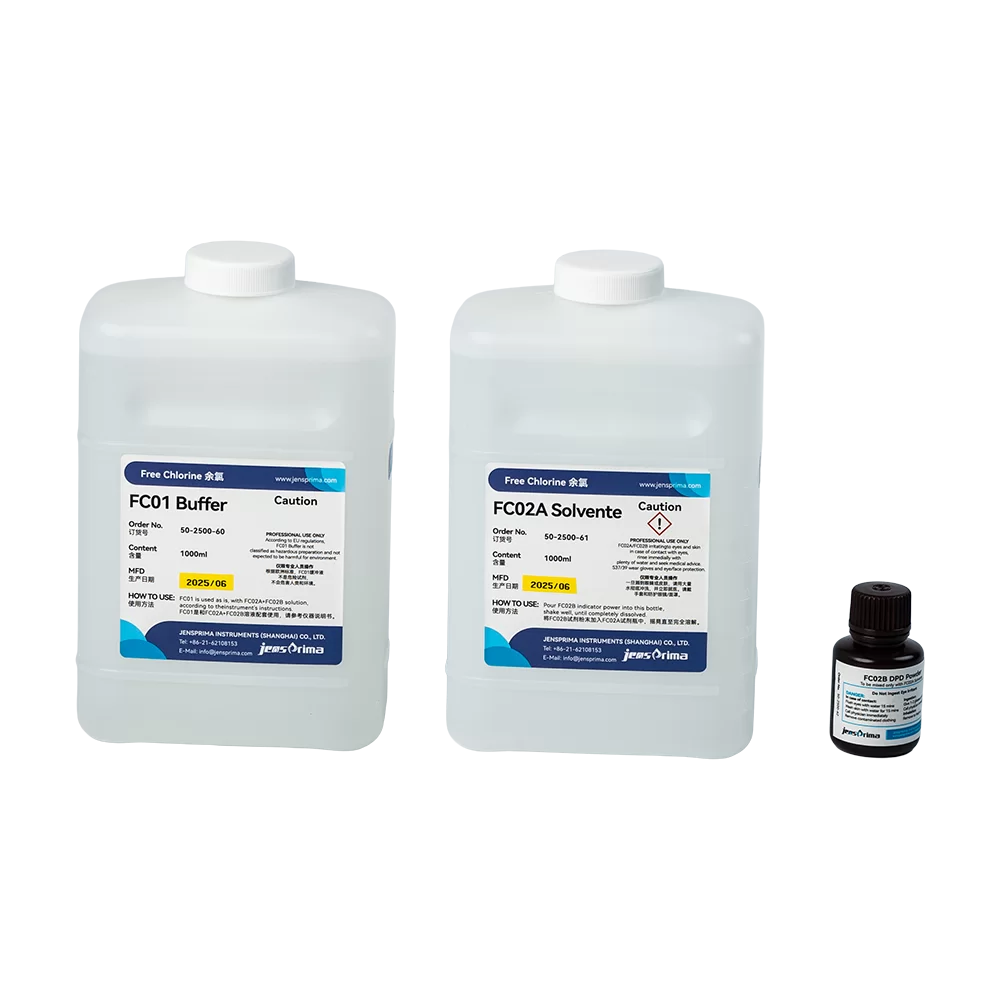
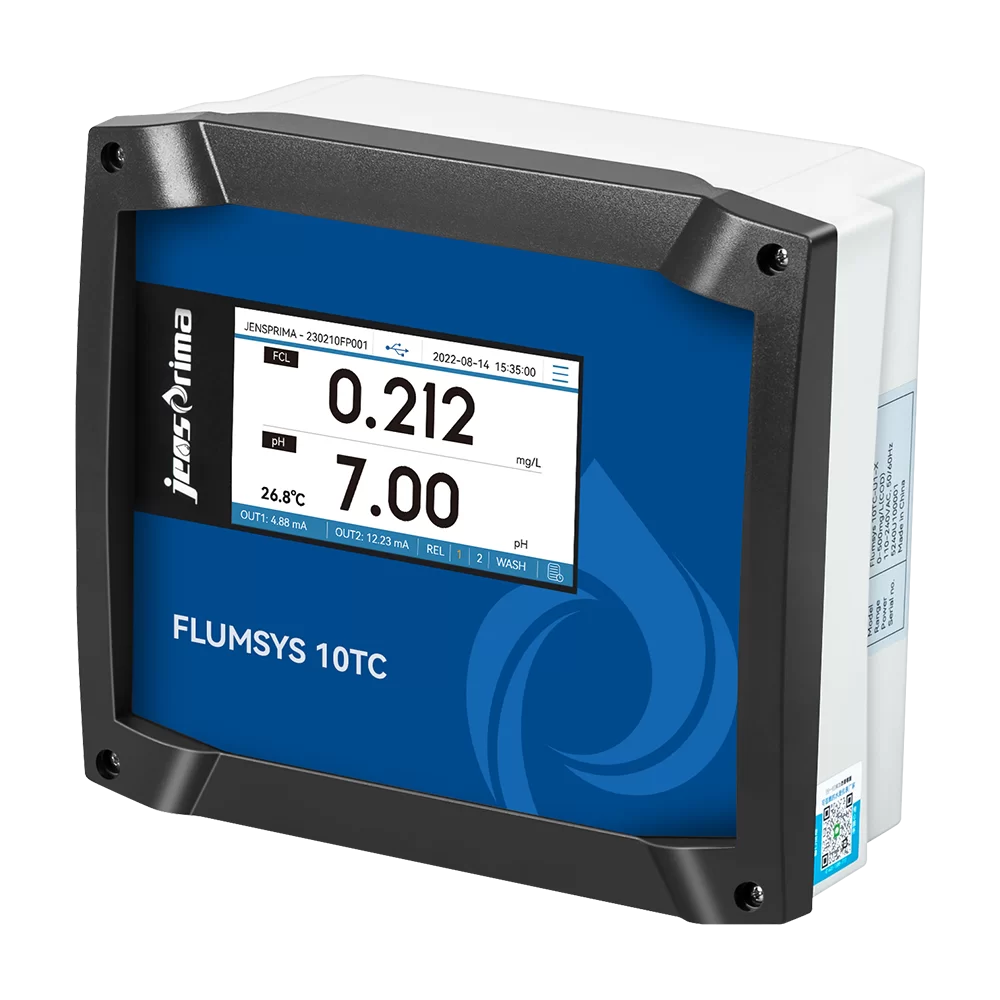
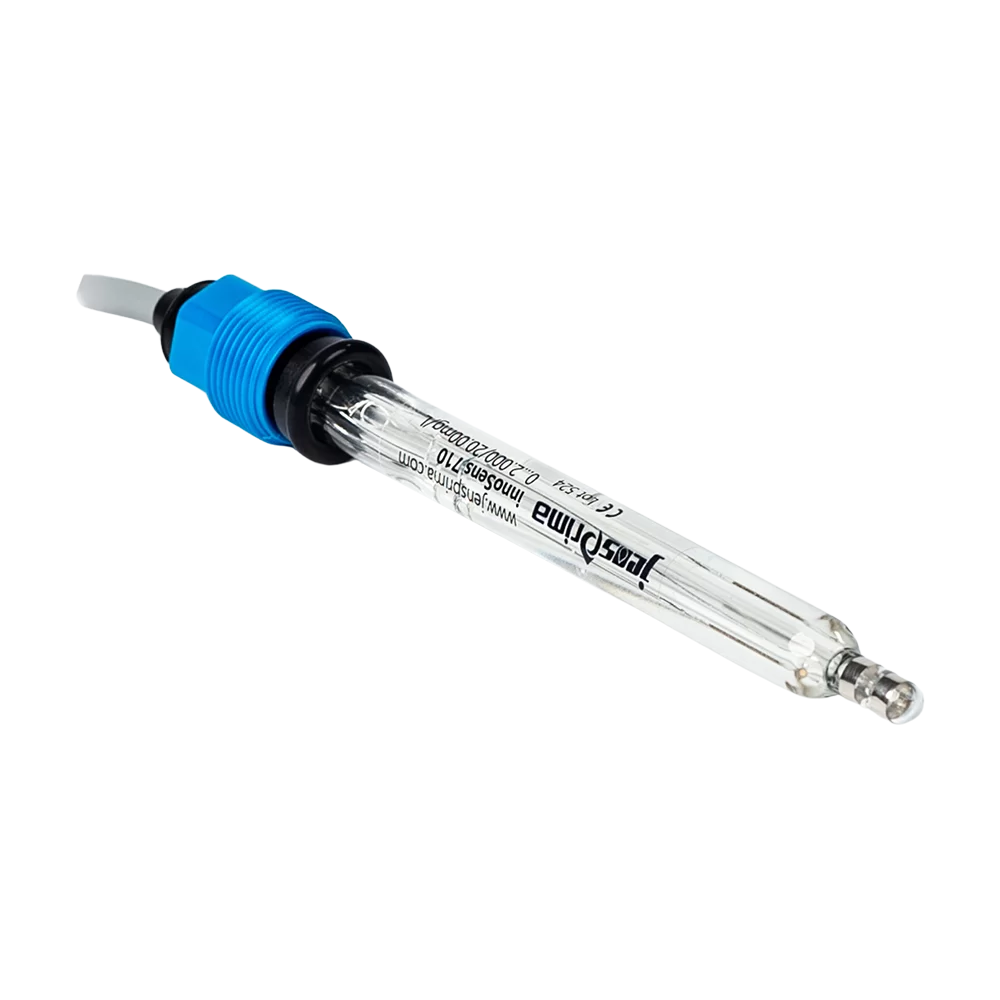
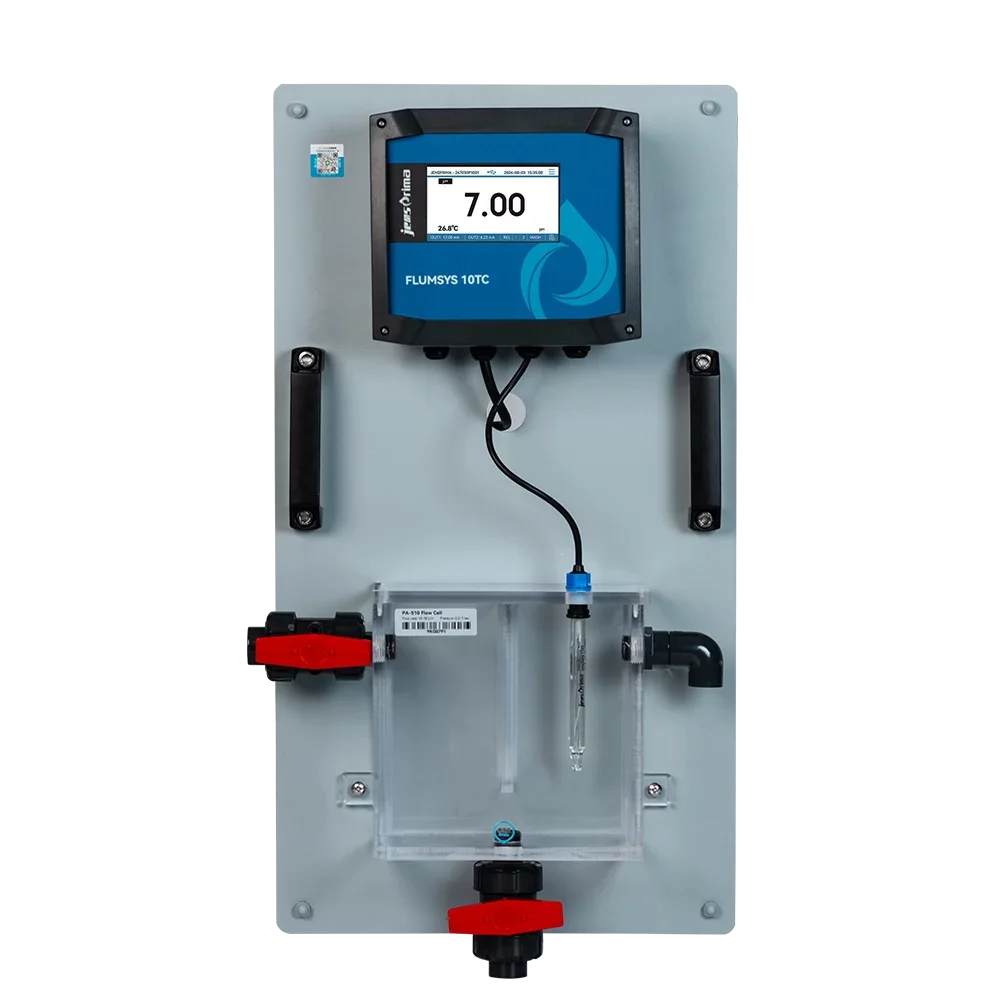
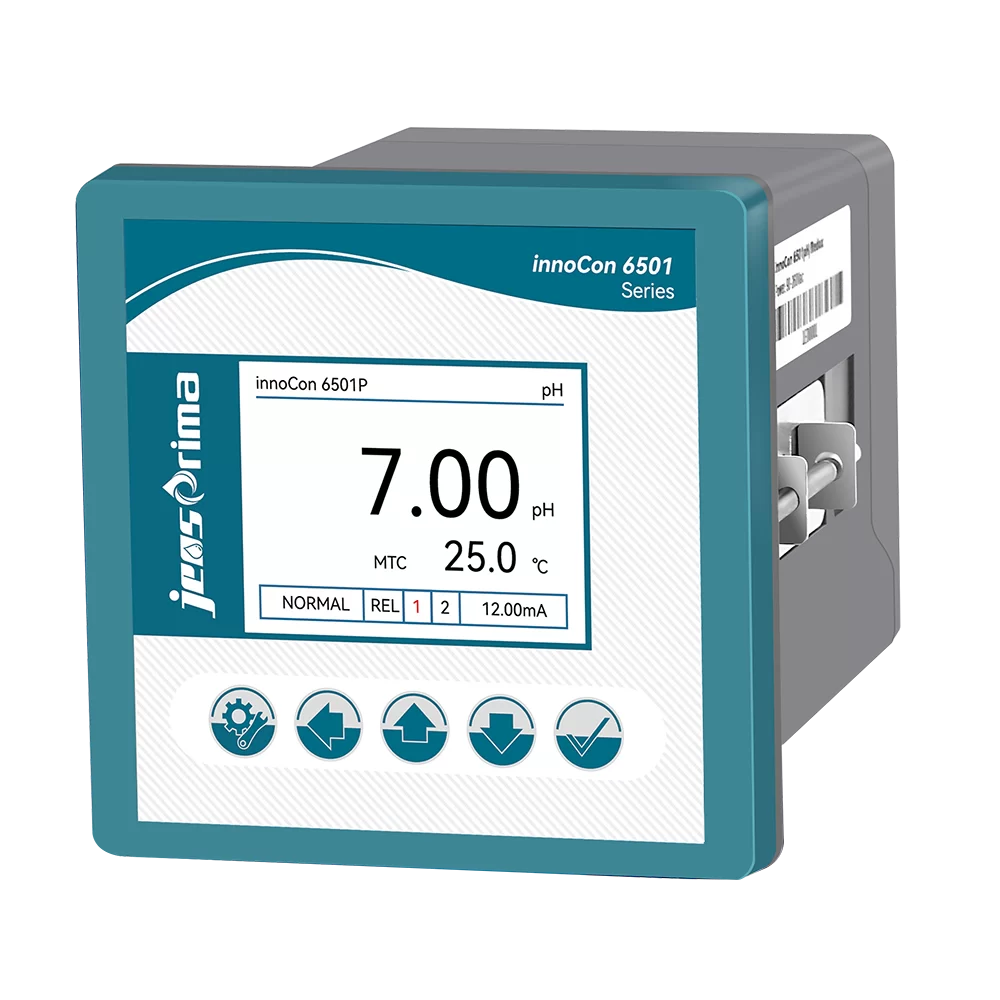
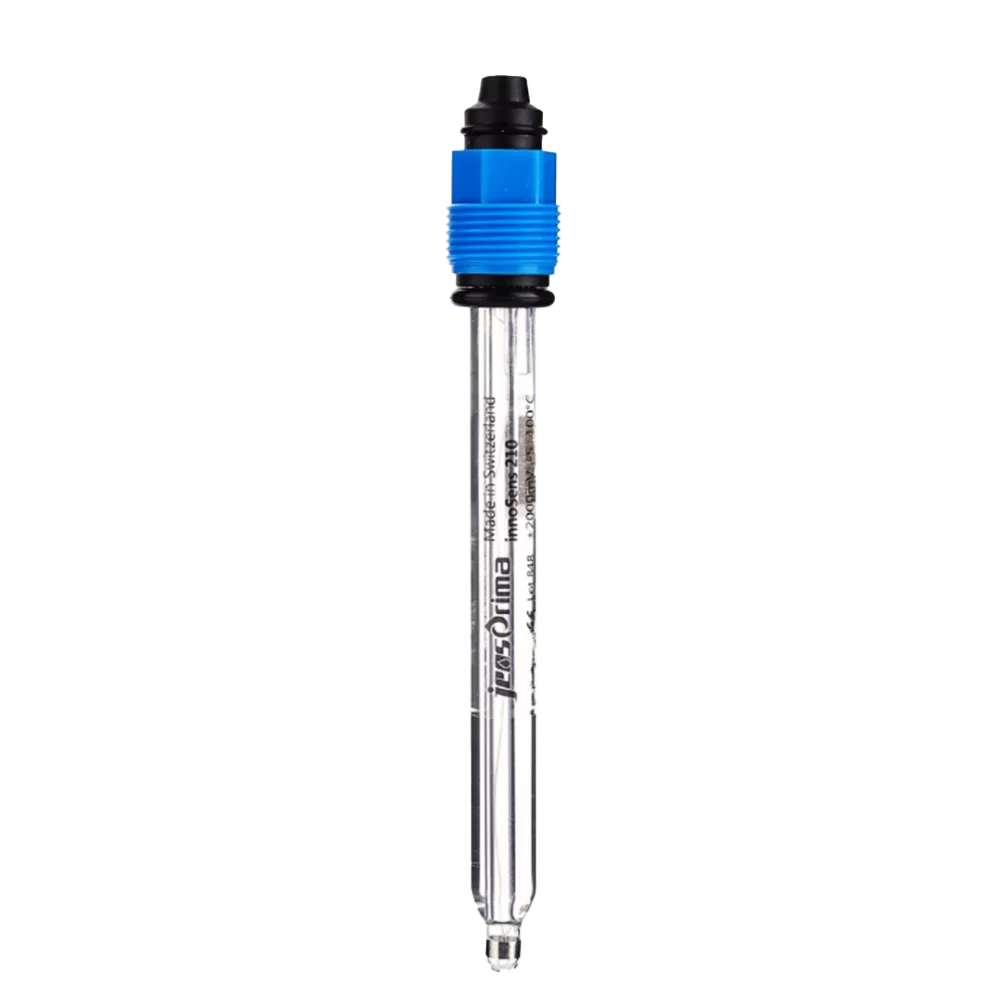
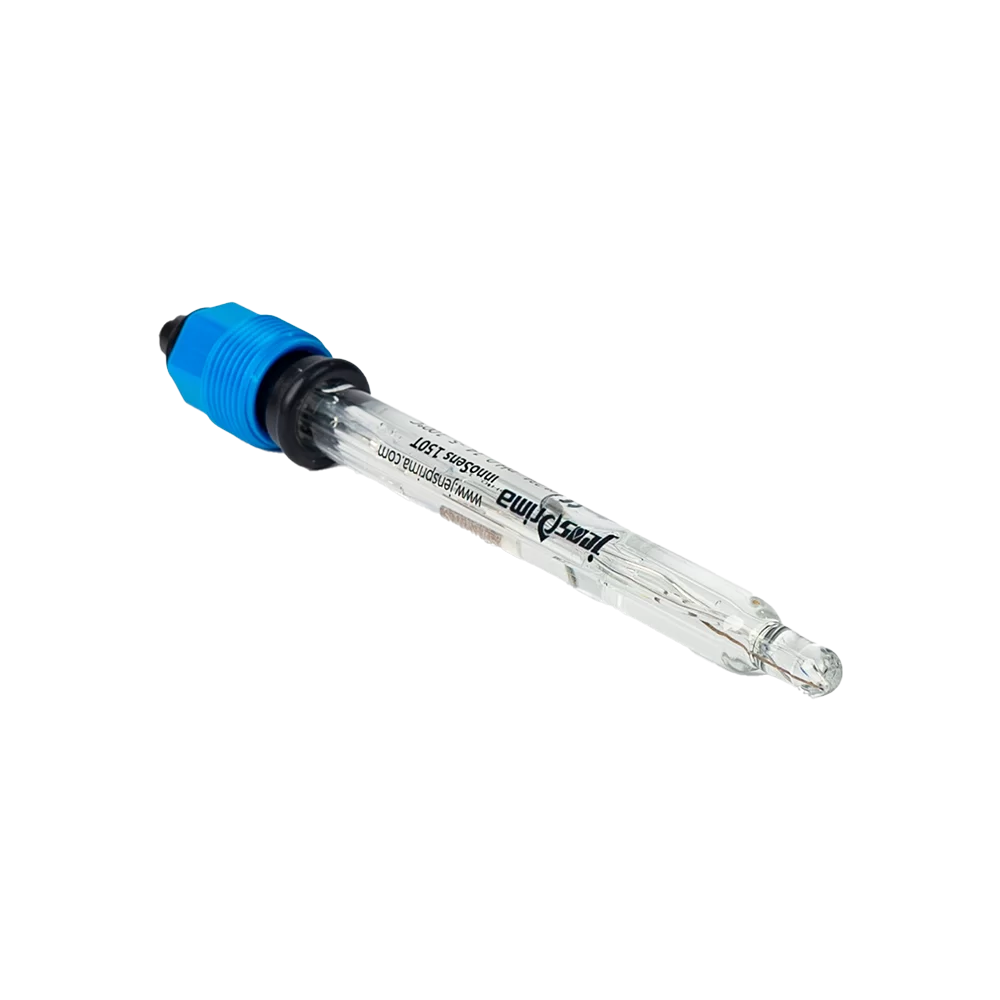
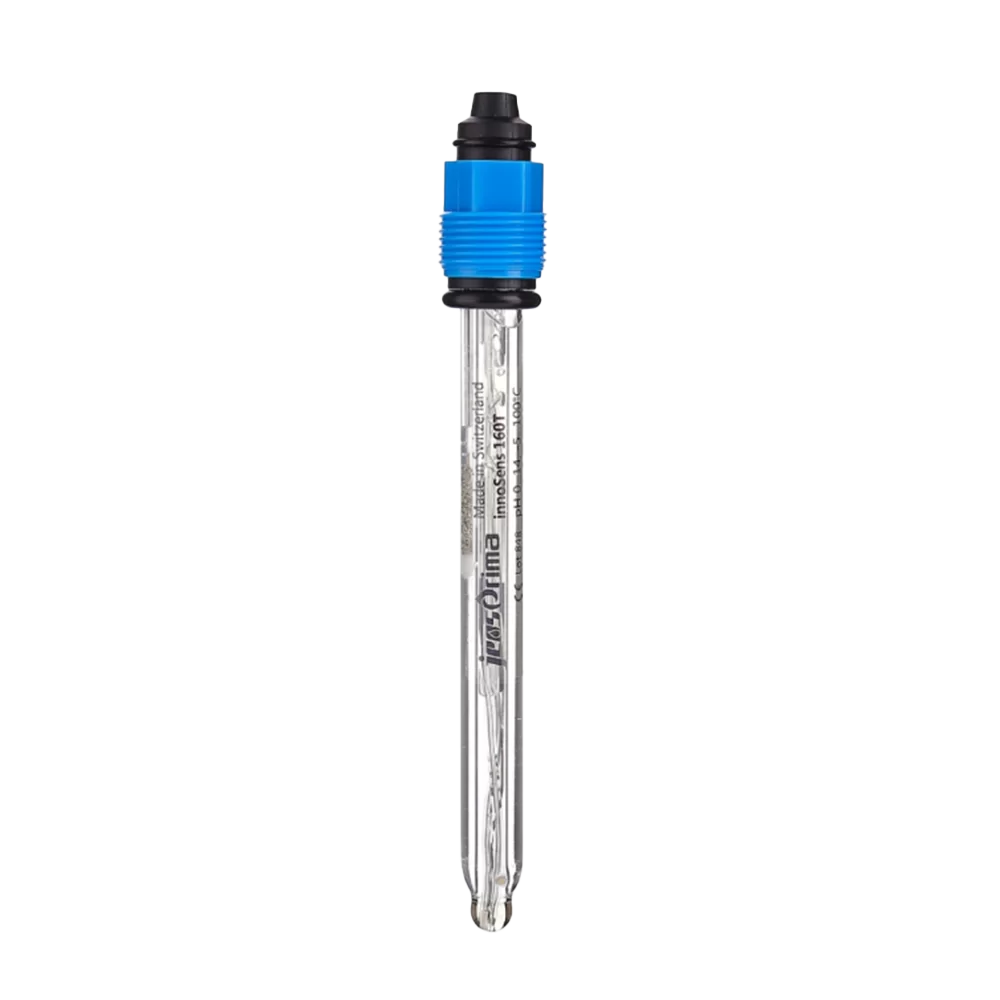
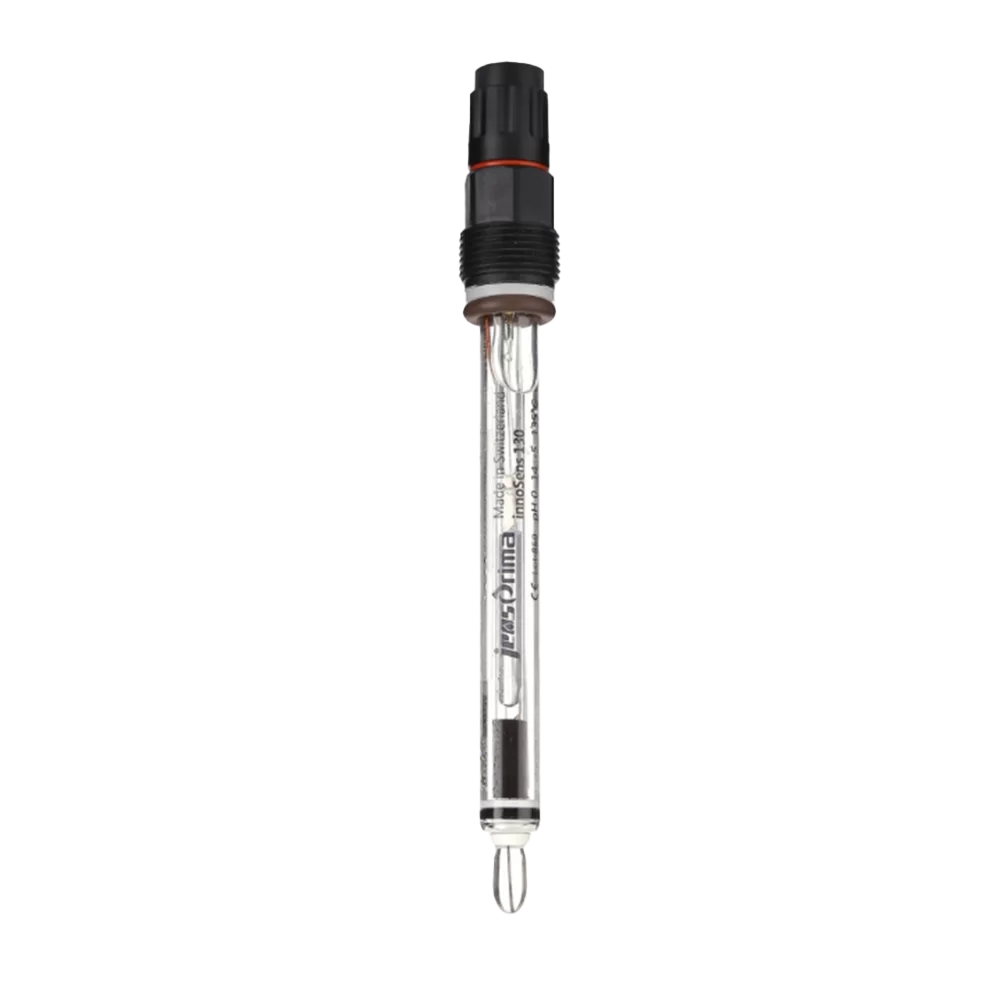
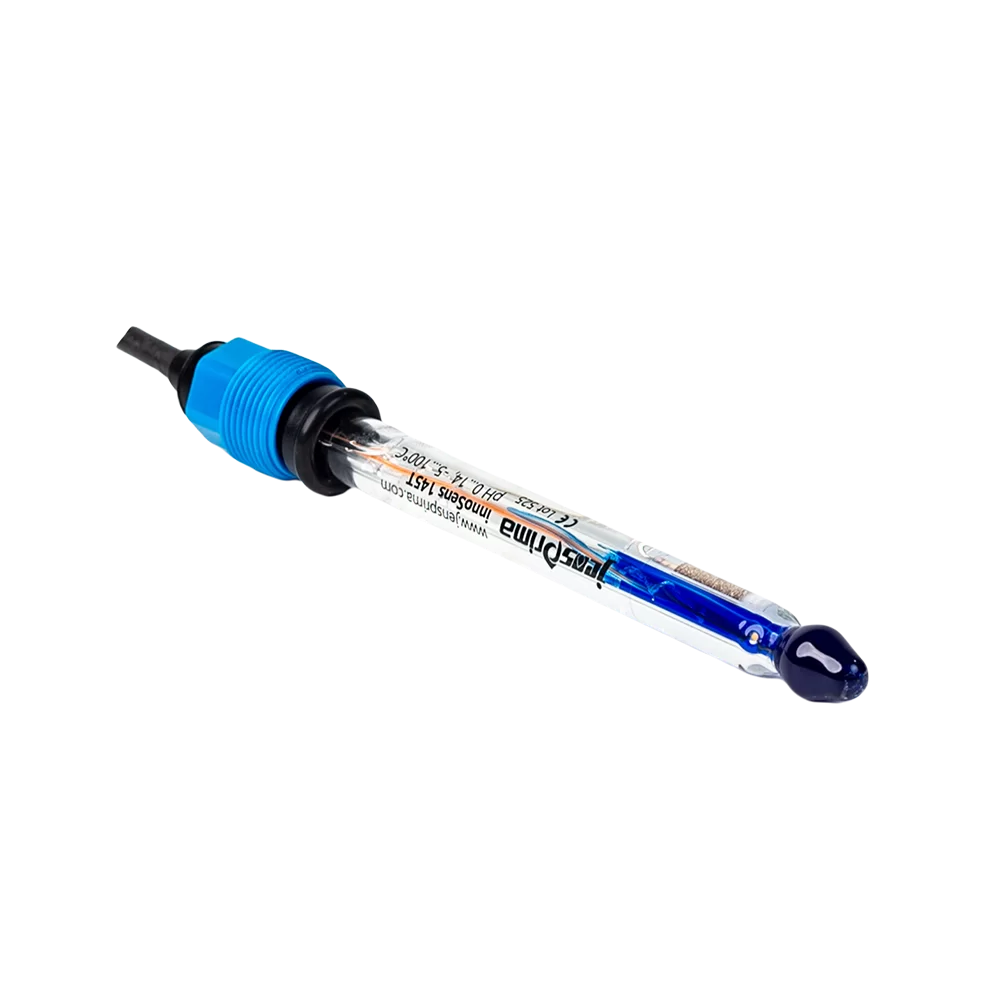
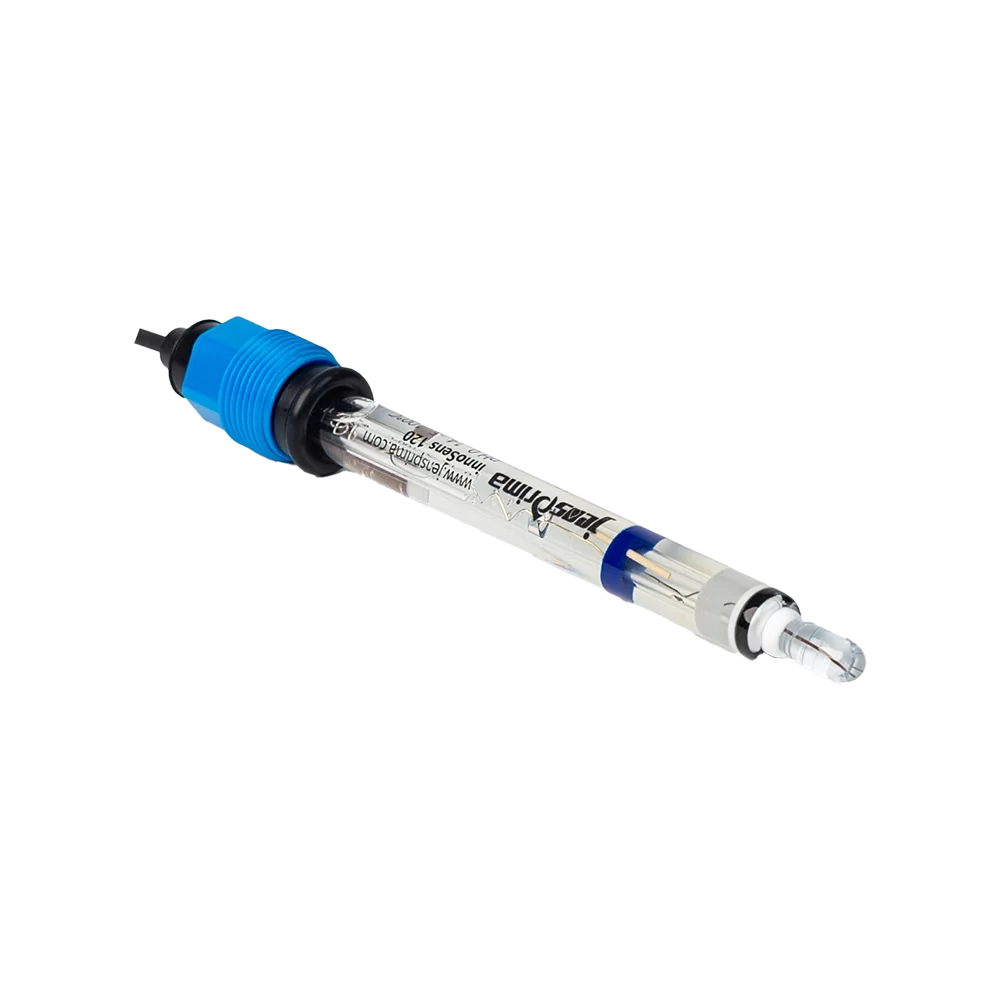
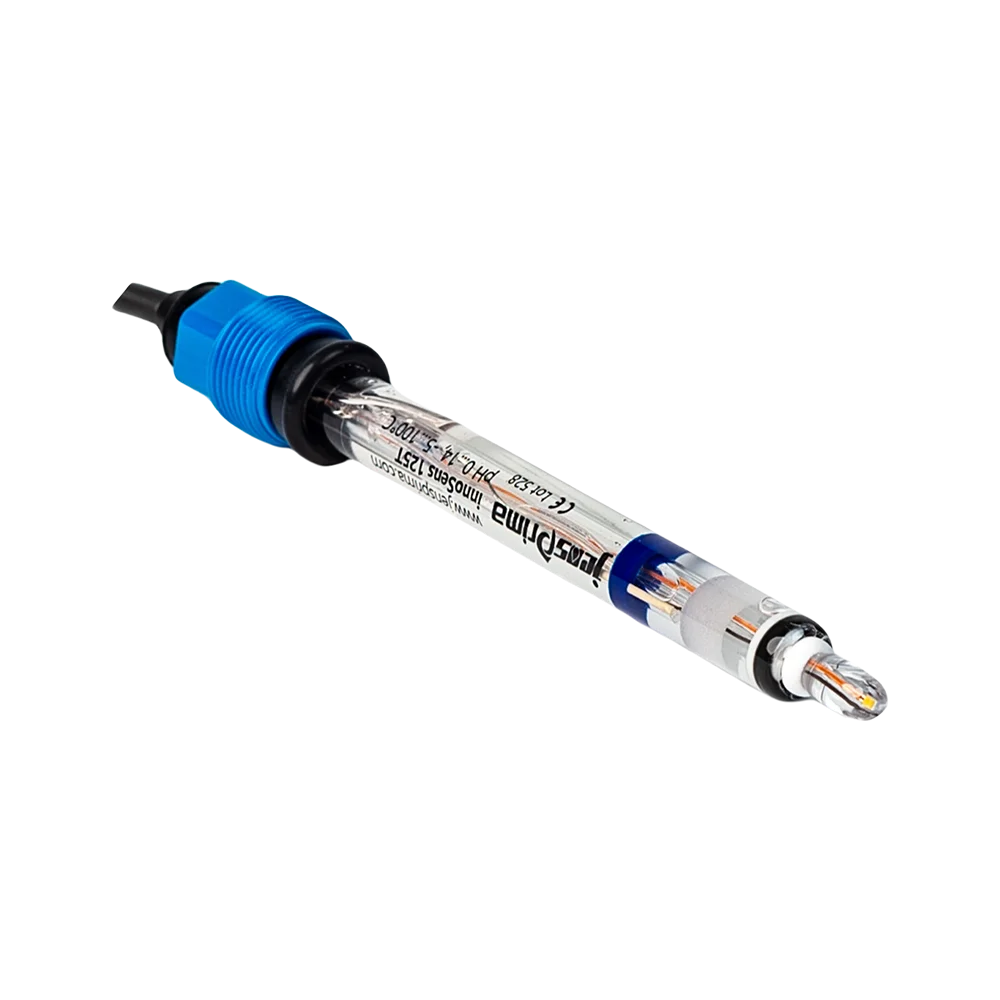
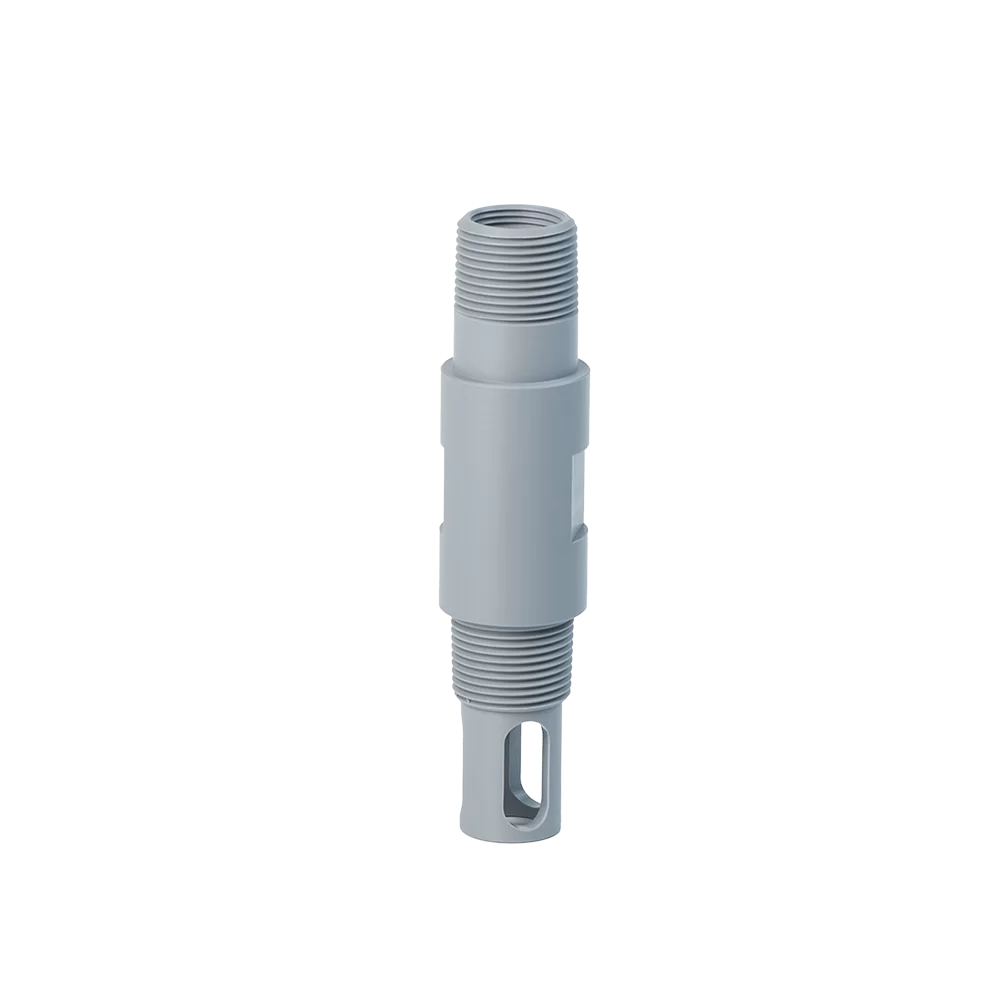
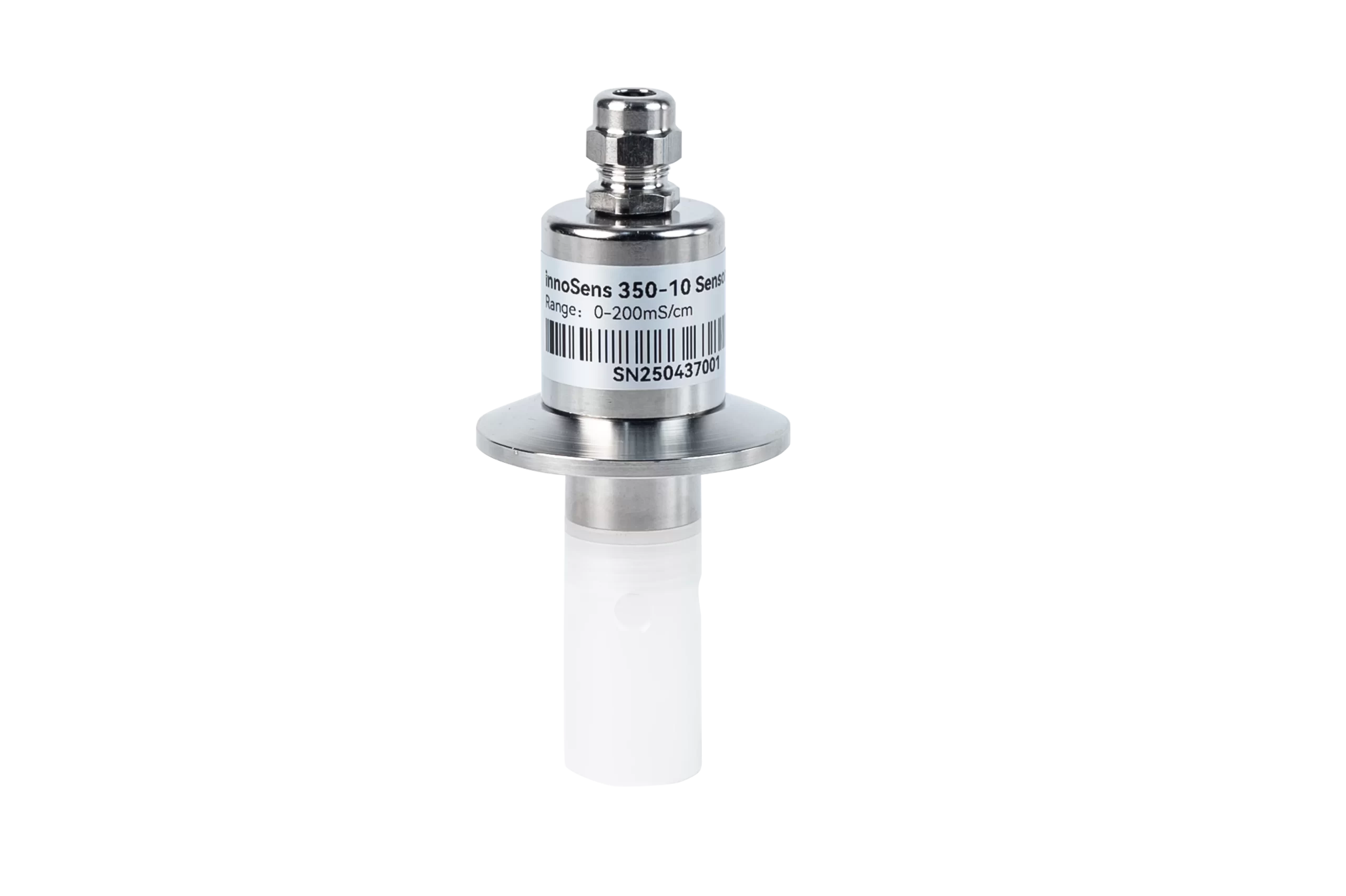
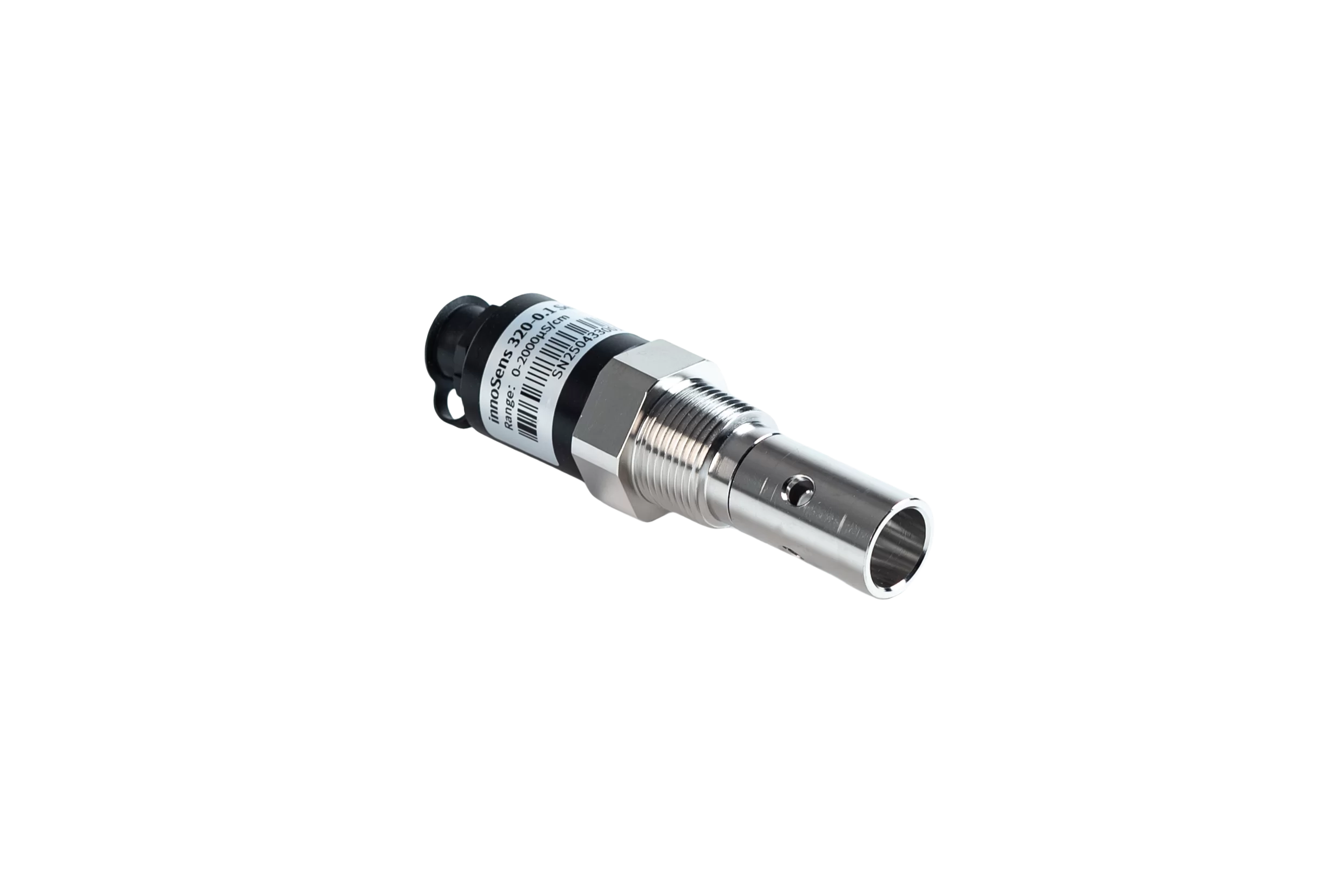
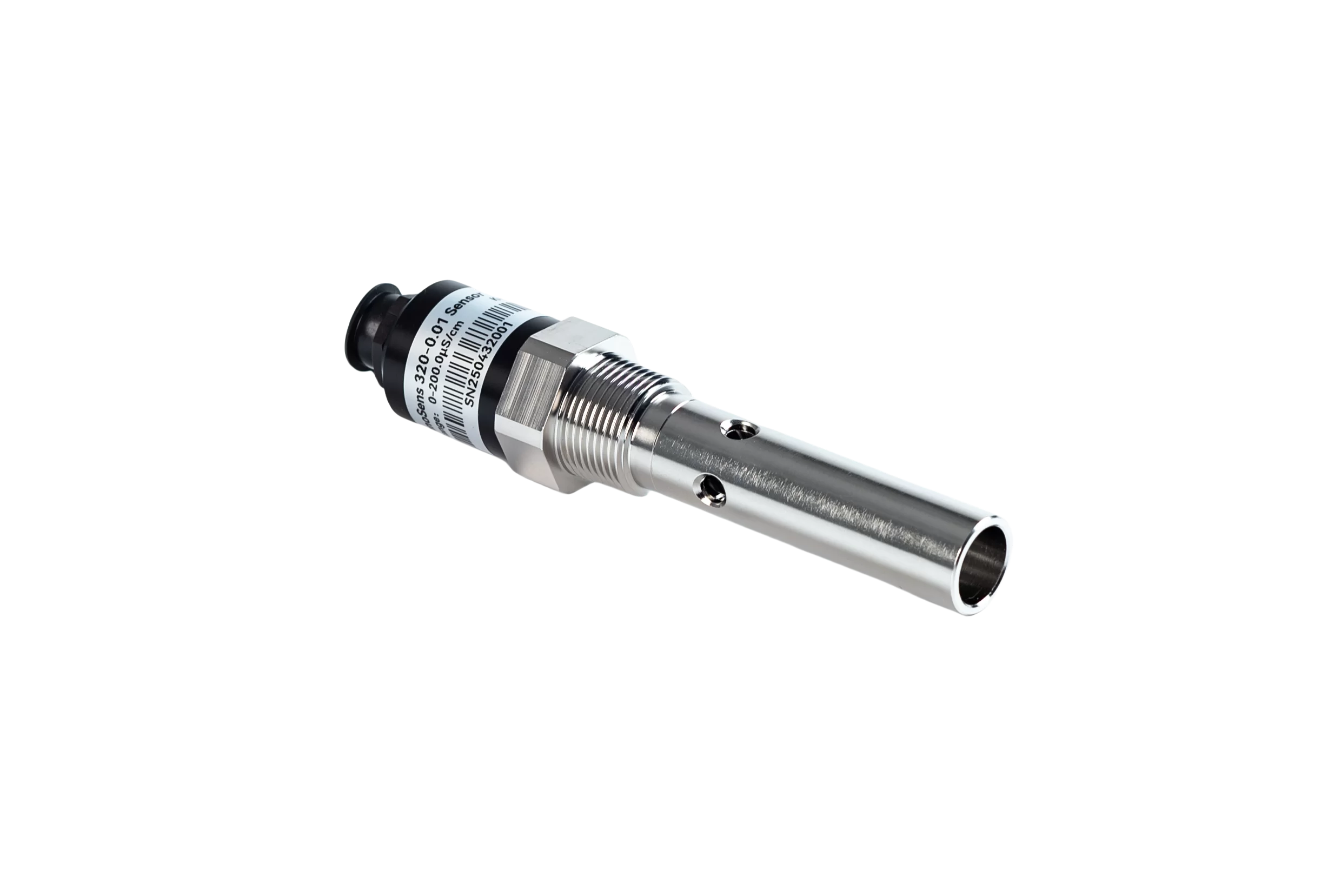
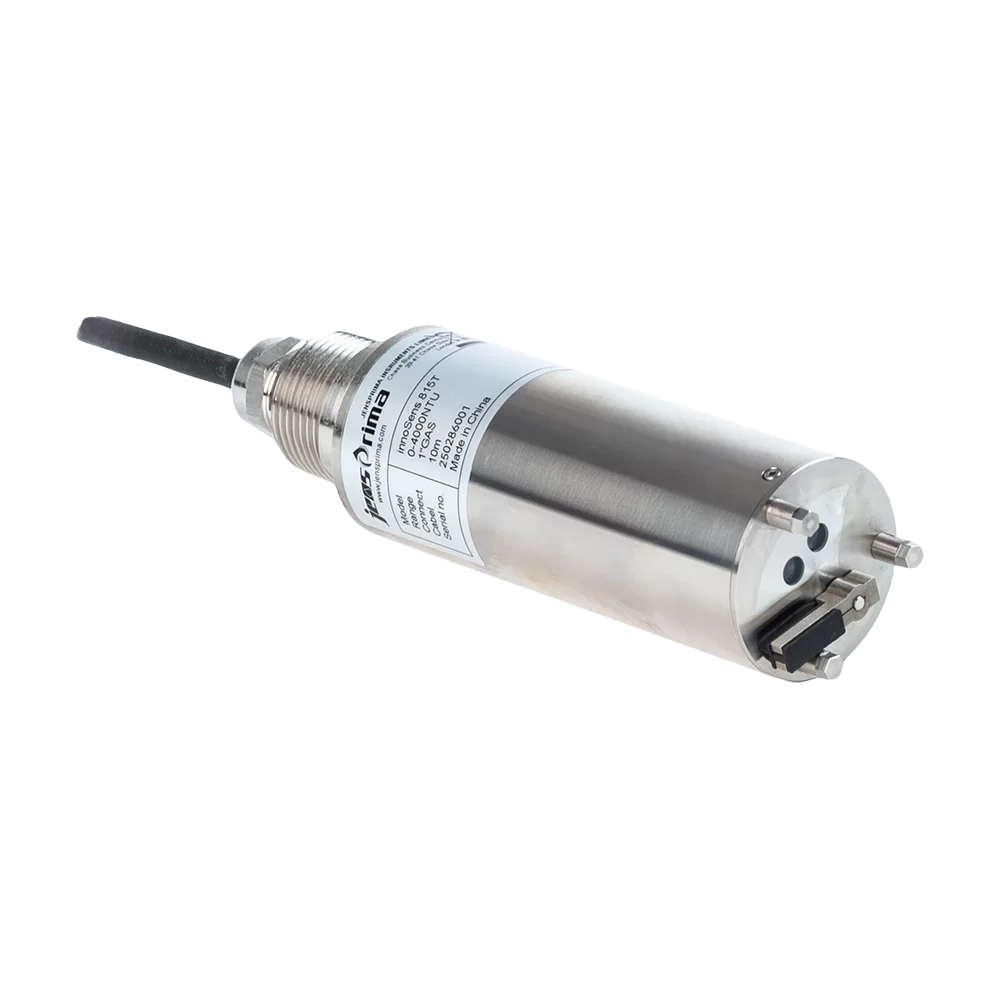
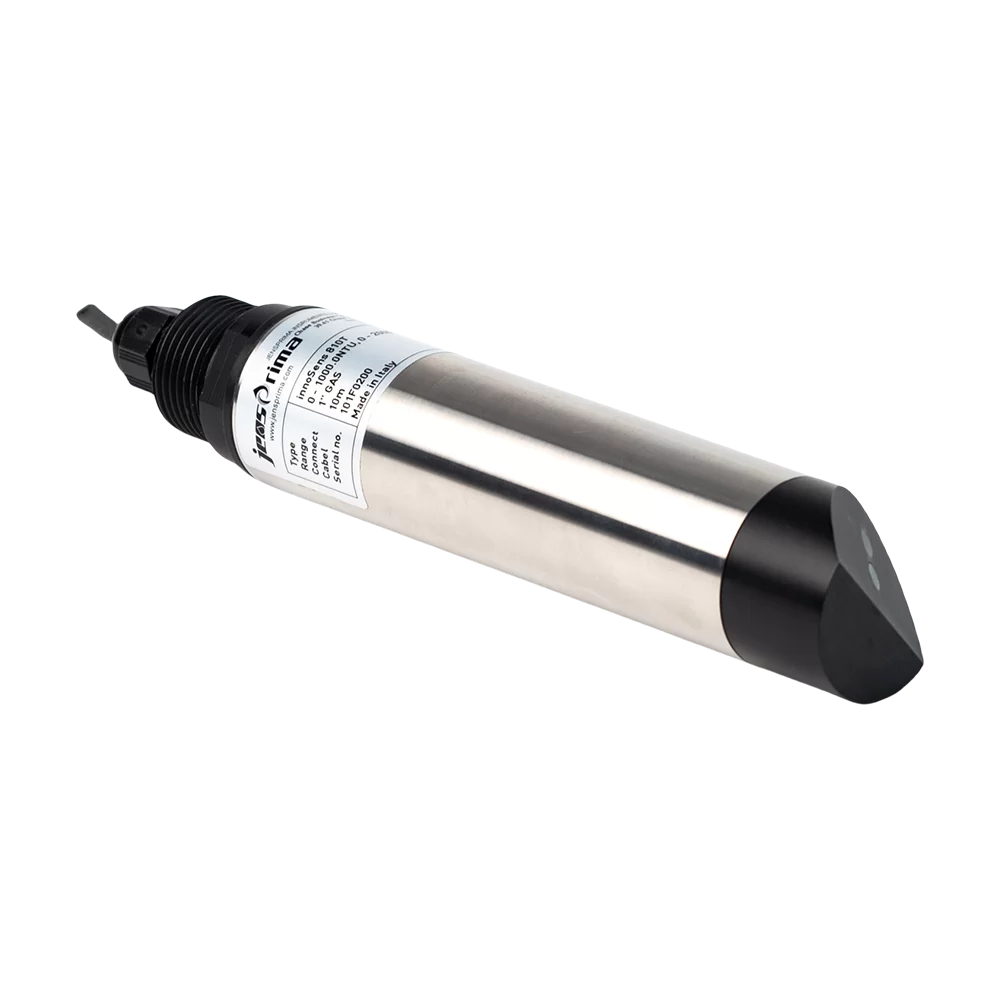
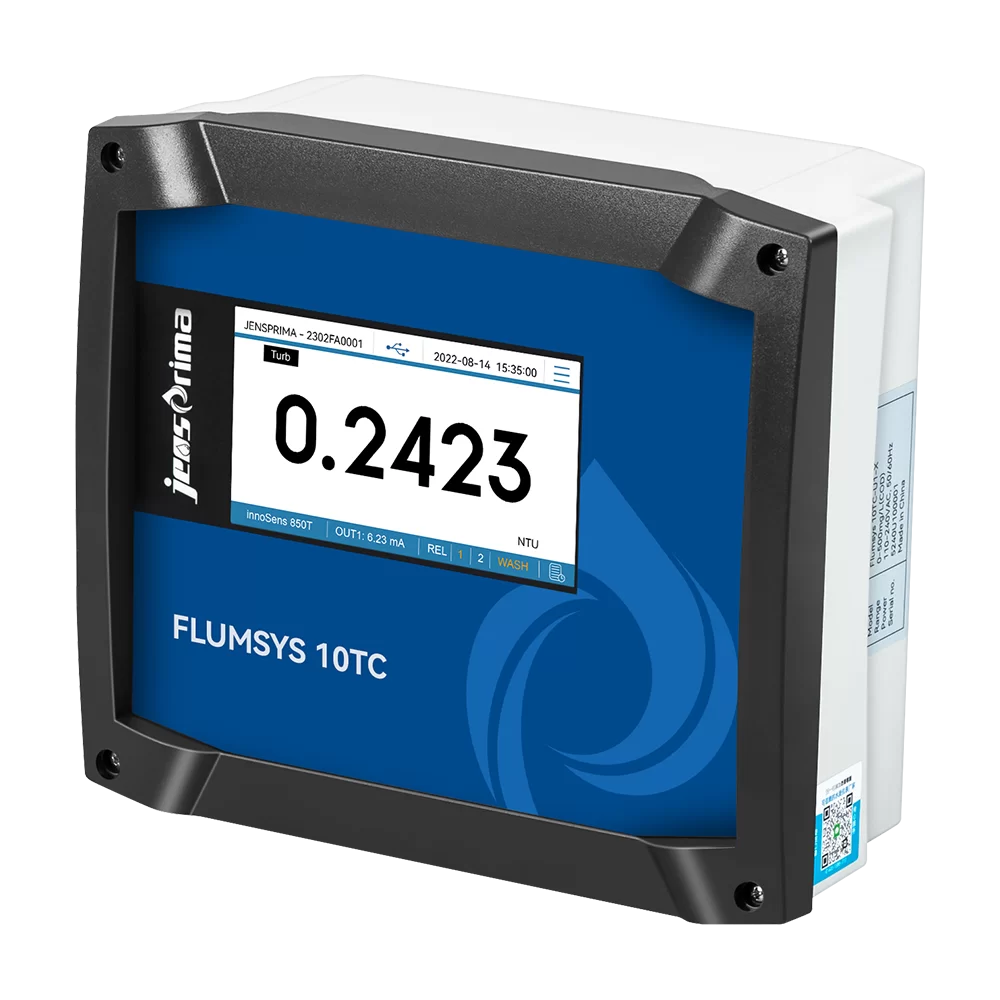
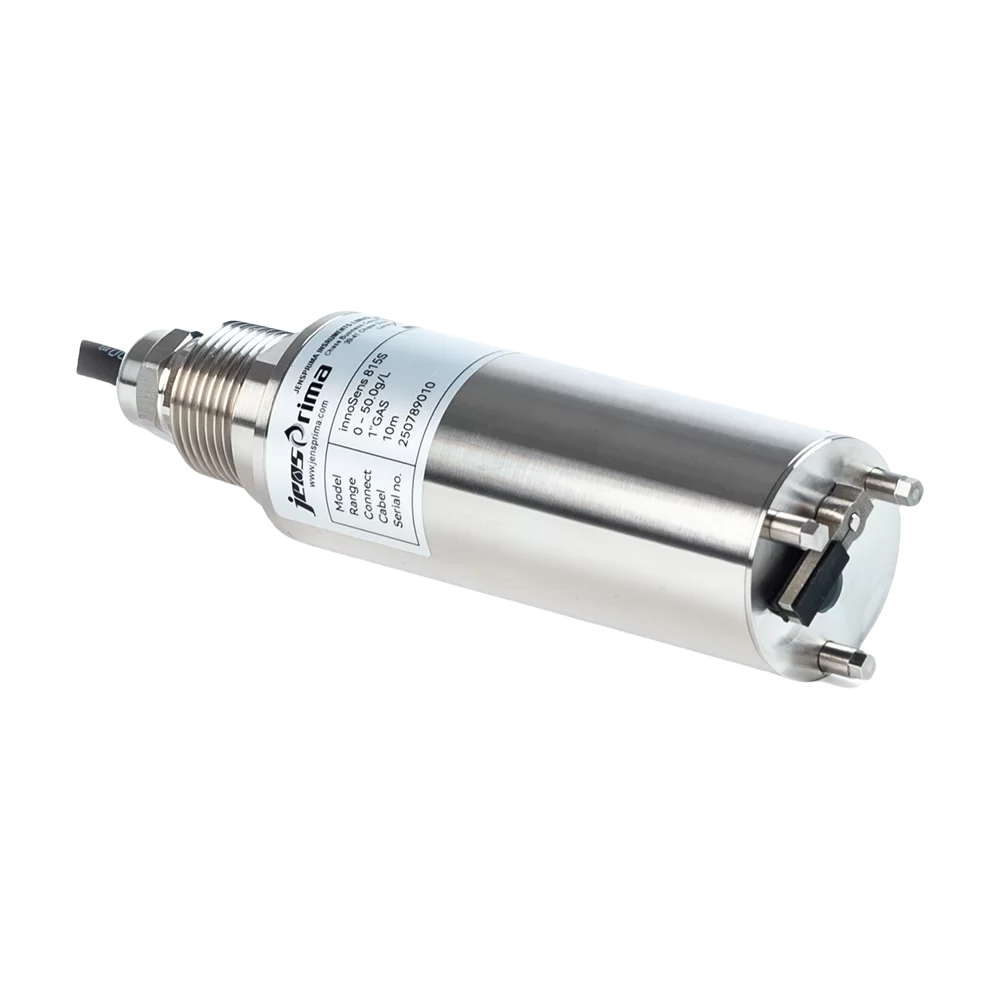
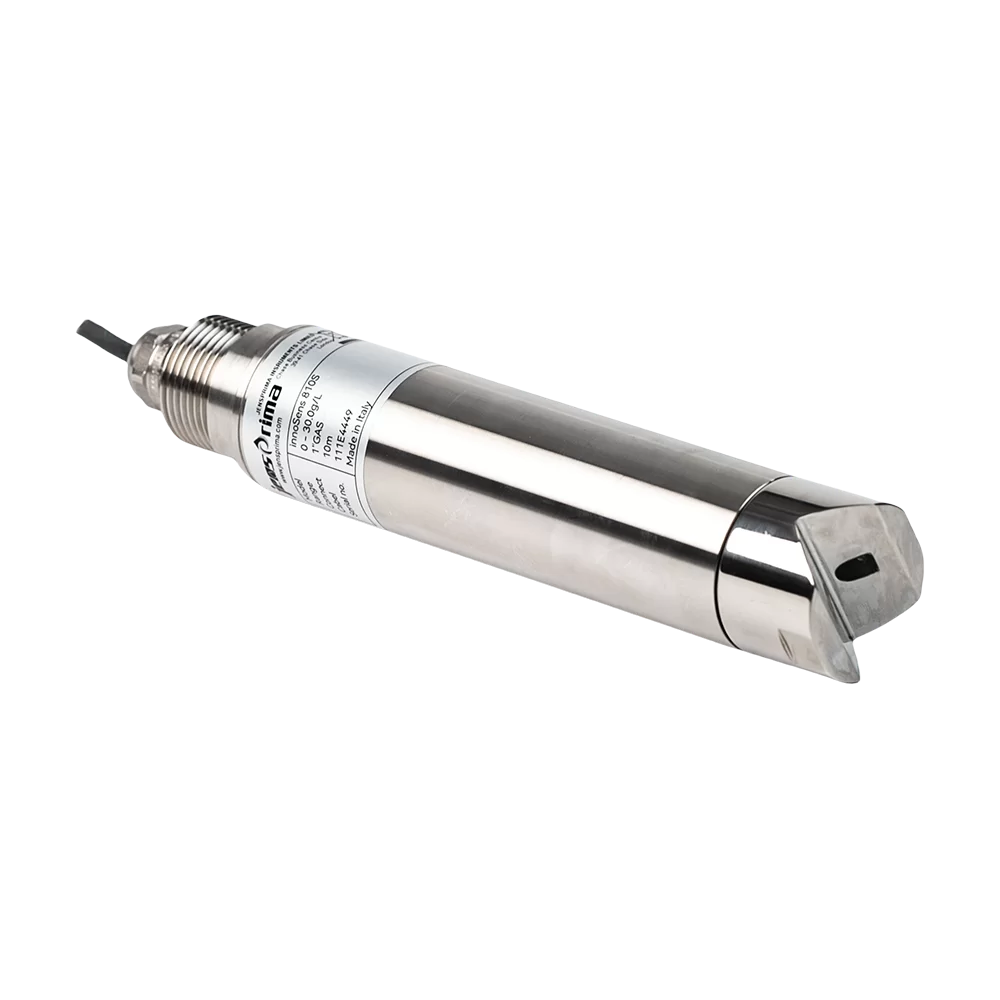
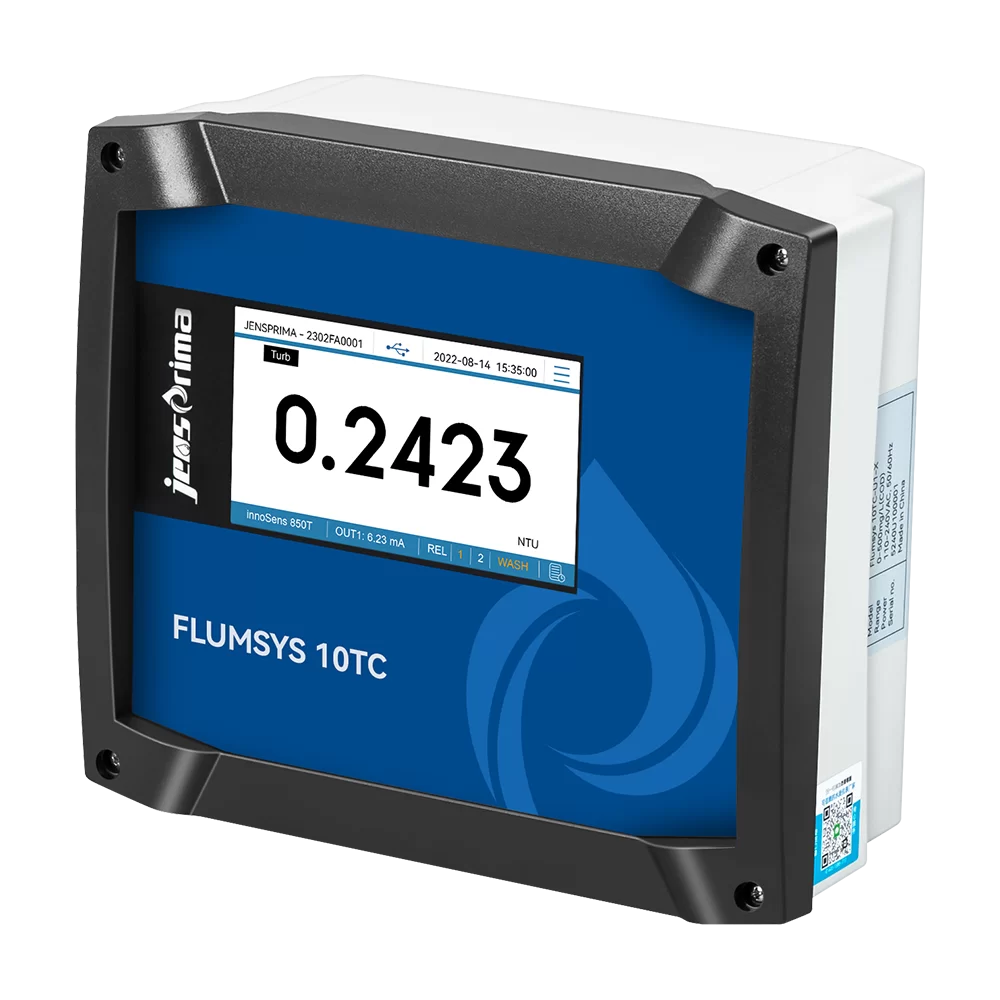
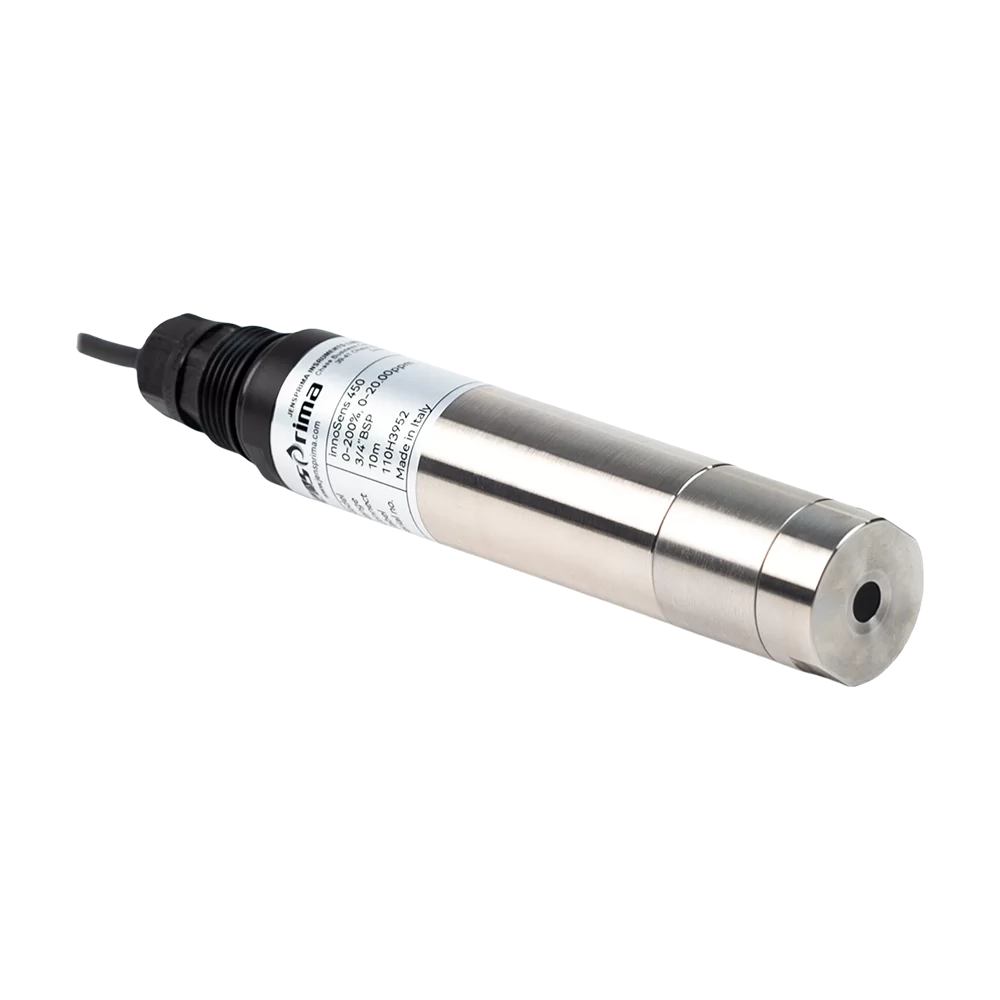
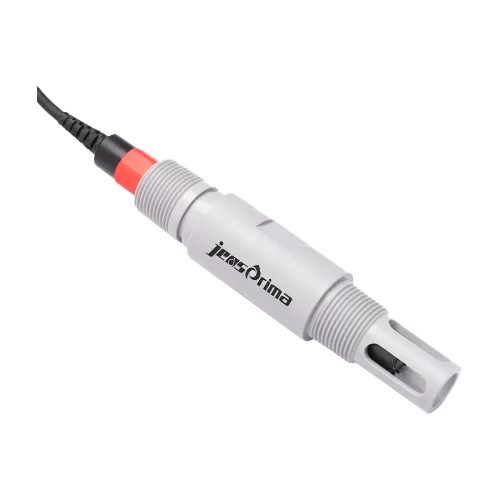
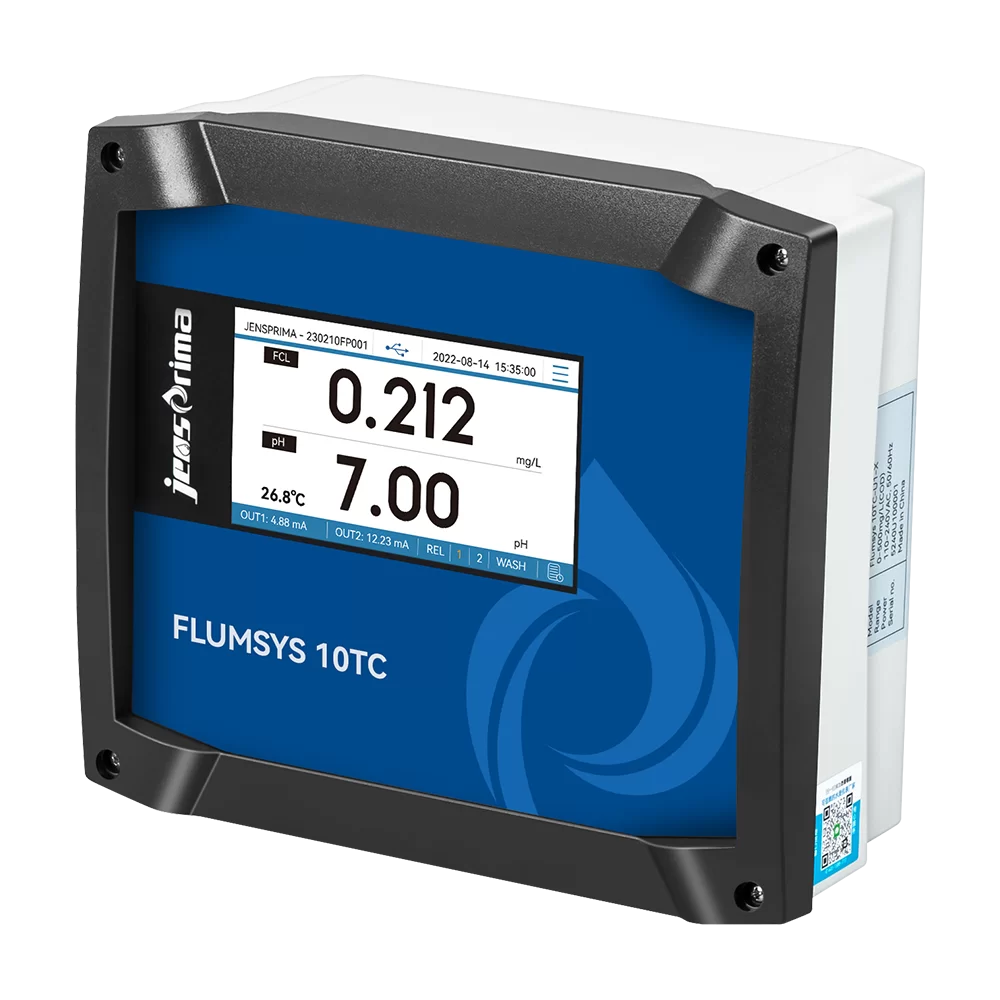
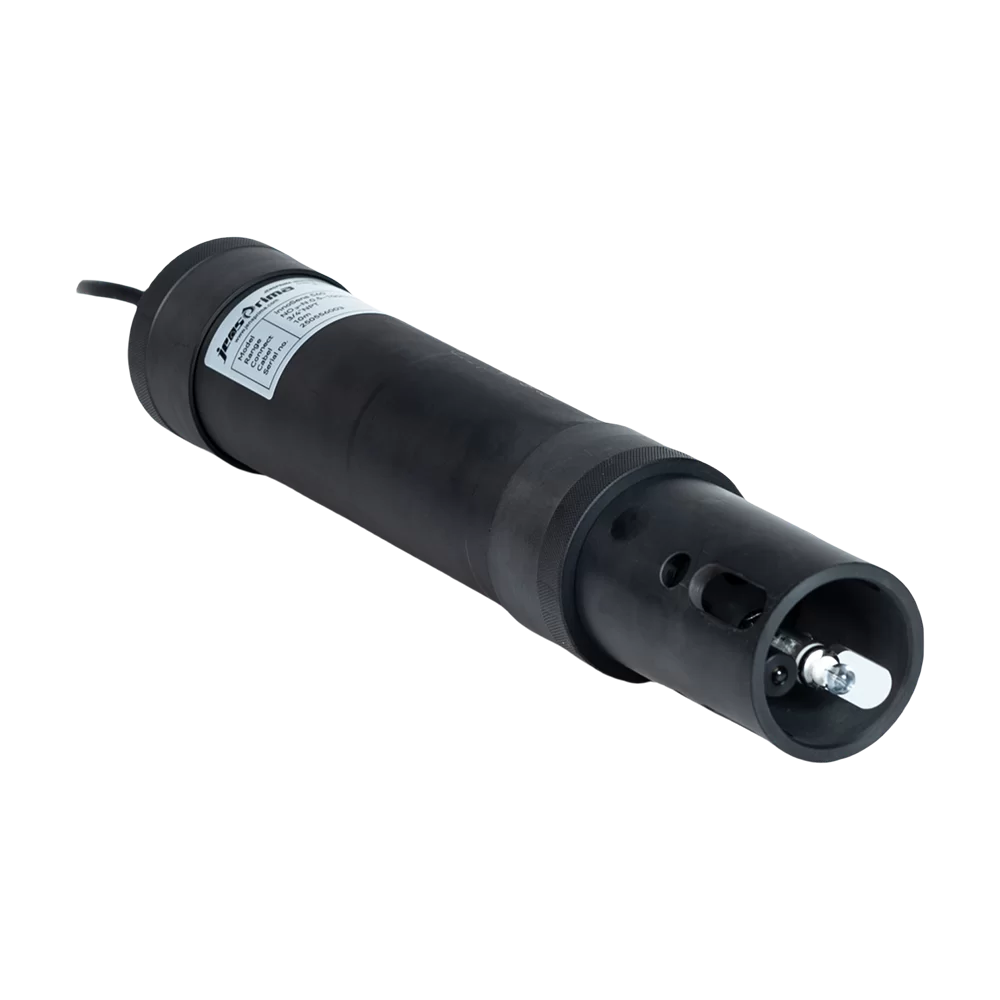
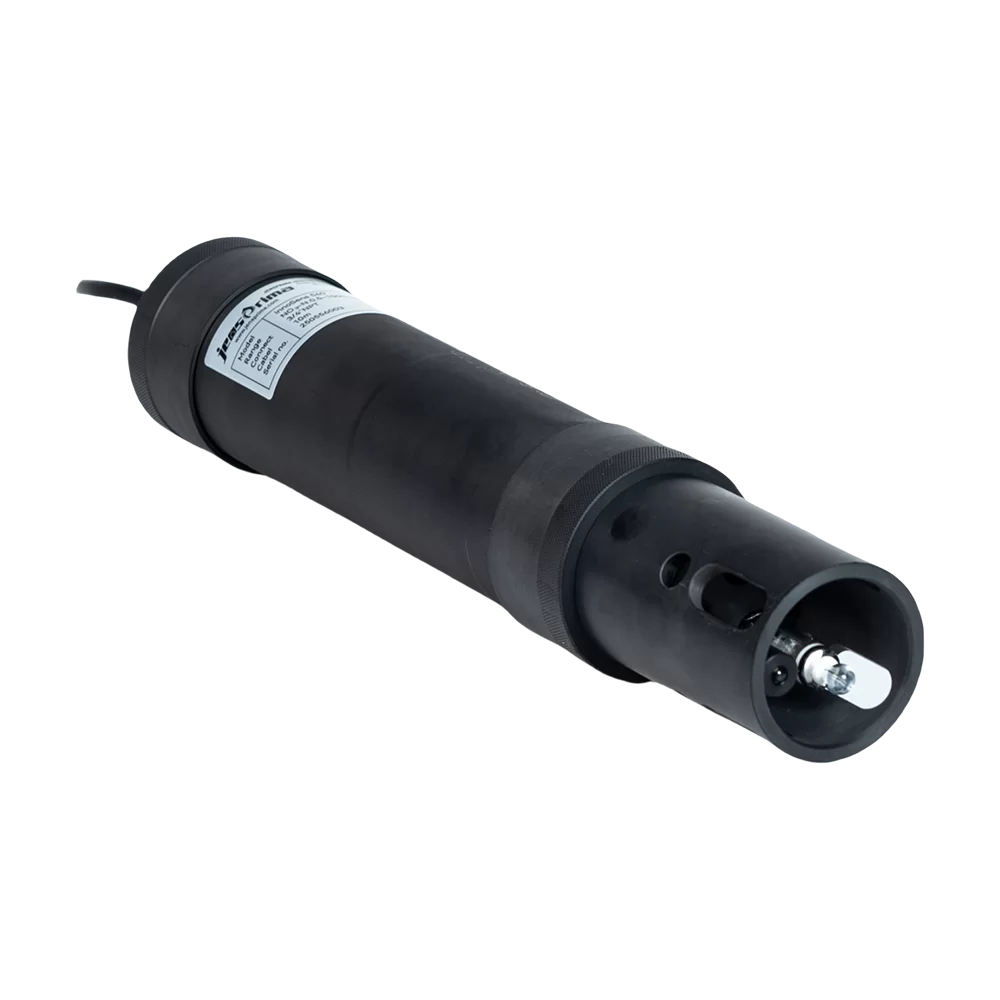
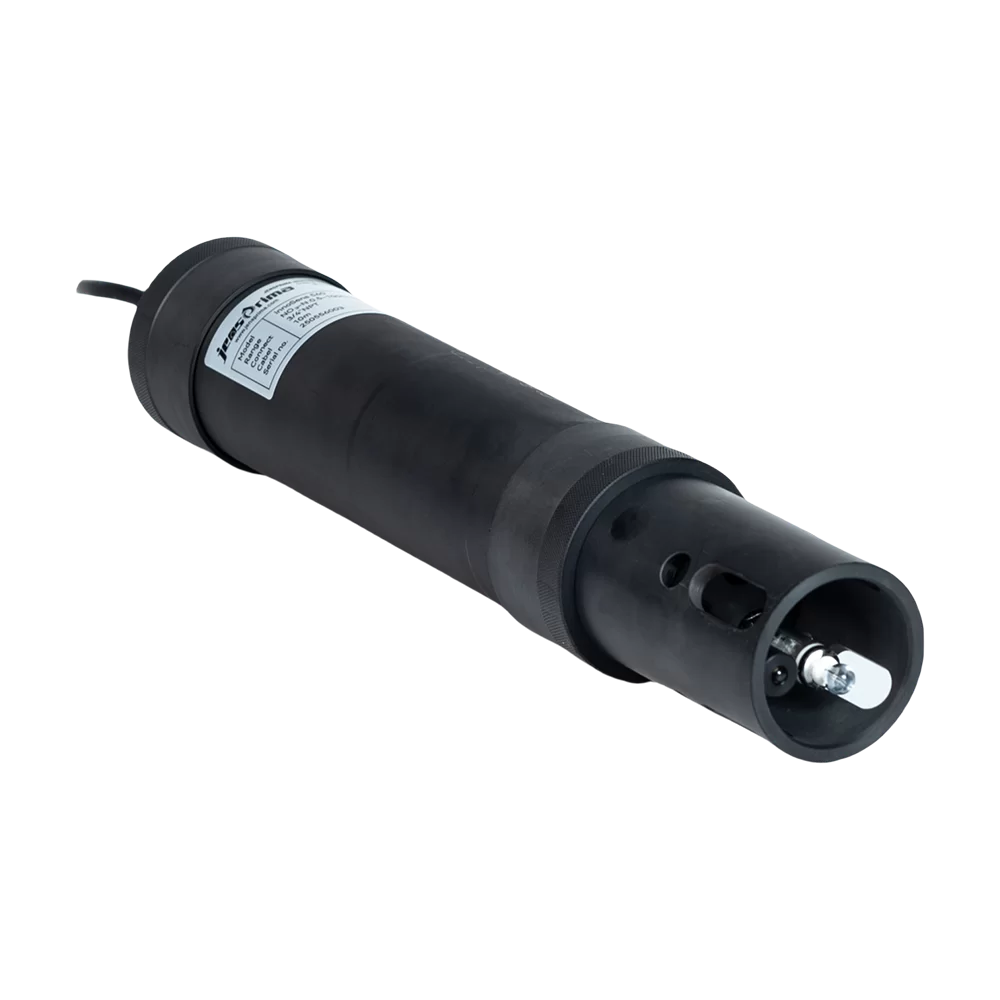
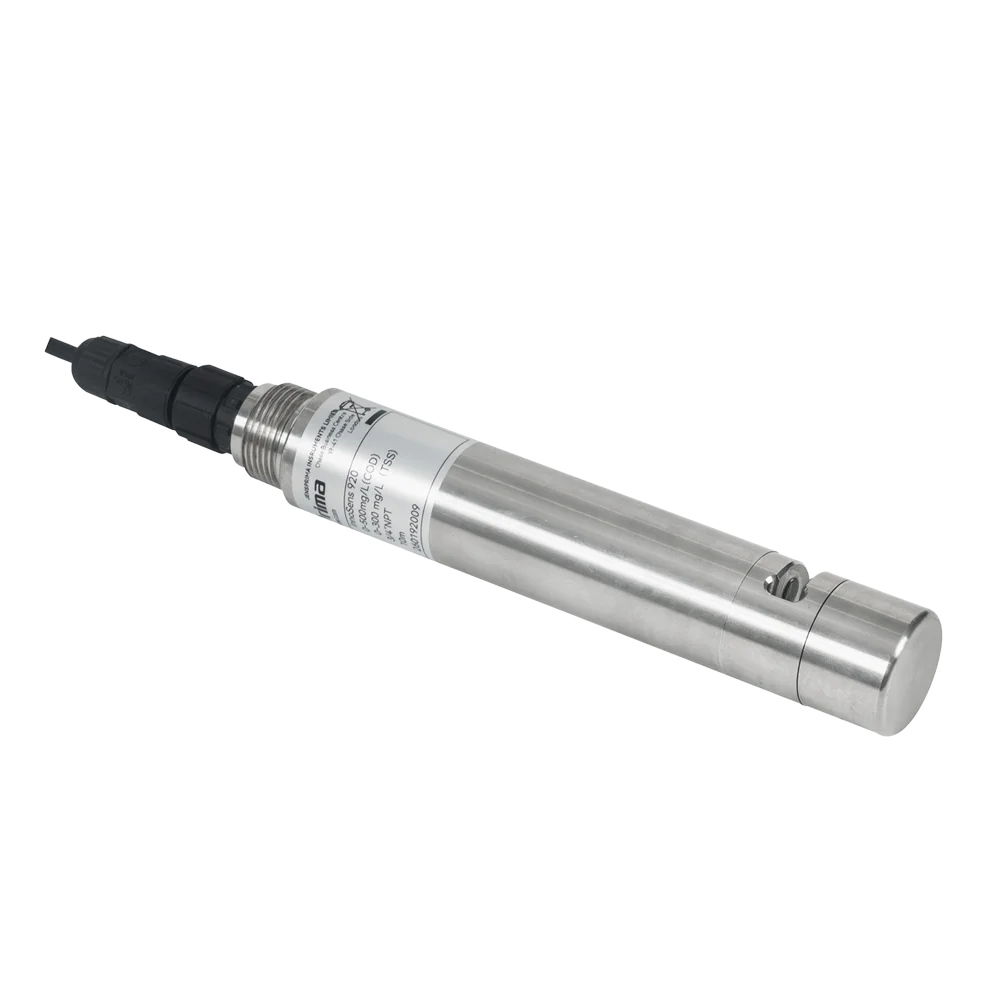
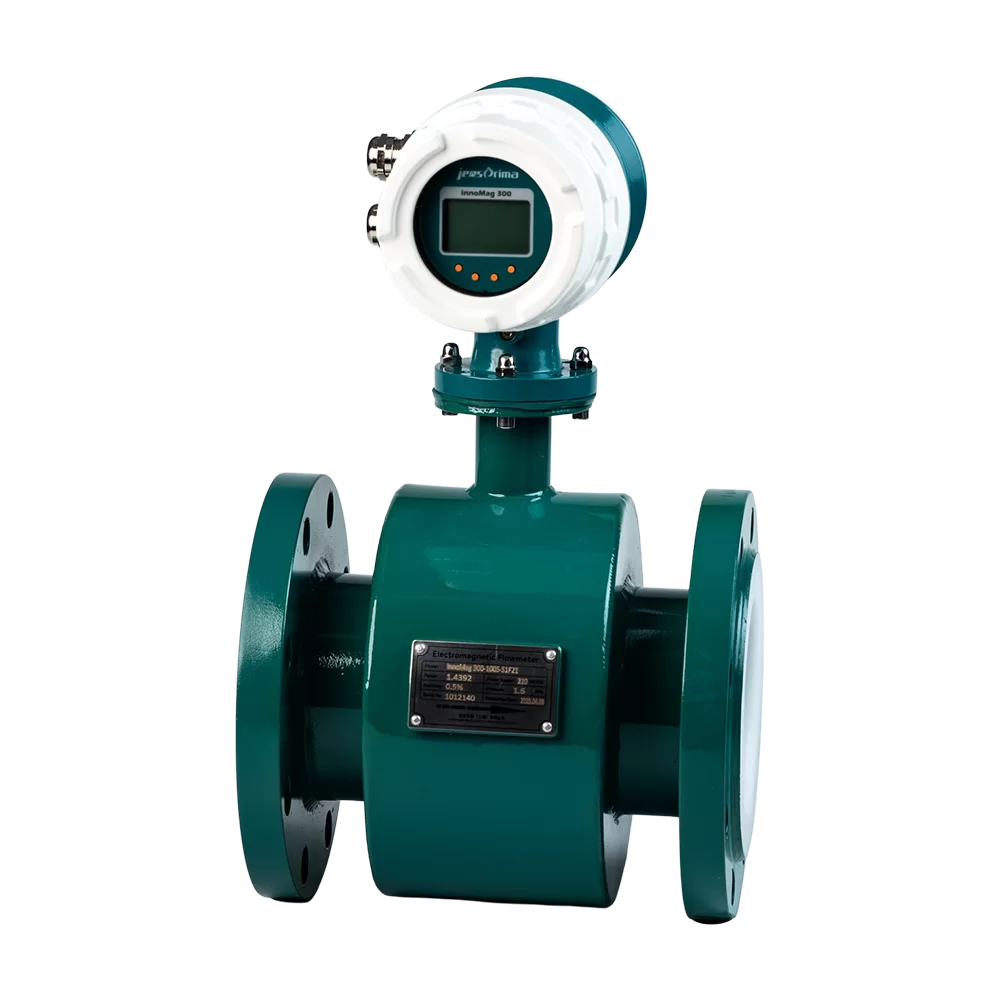
Most free chlorine monitor systems consist of several key components: a sensor, a signal conditioner, a controller, and a display. The sensor is the heart of the system, responsible for detecting the presence of free chlorine and generating an electrical signal proportional to its concentration. Common sensing technologies include amperometric sensors, which measure the current produced by the oxidation of chlorine, and colorimetric sensors, which measure the absorbance of light by chlorine-reactive compounds.
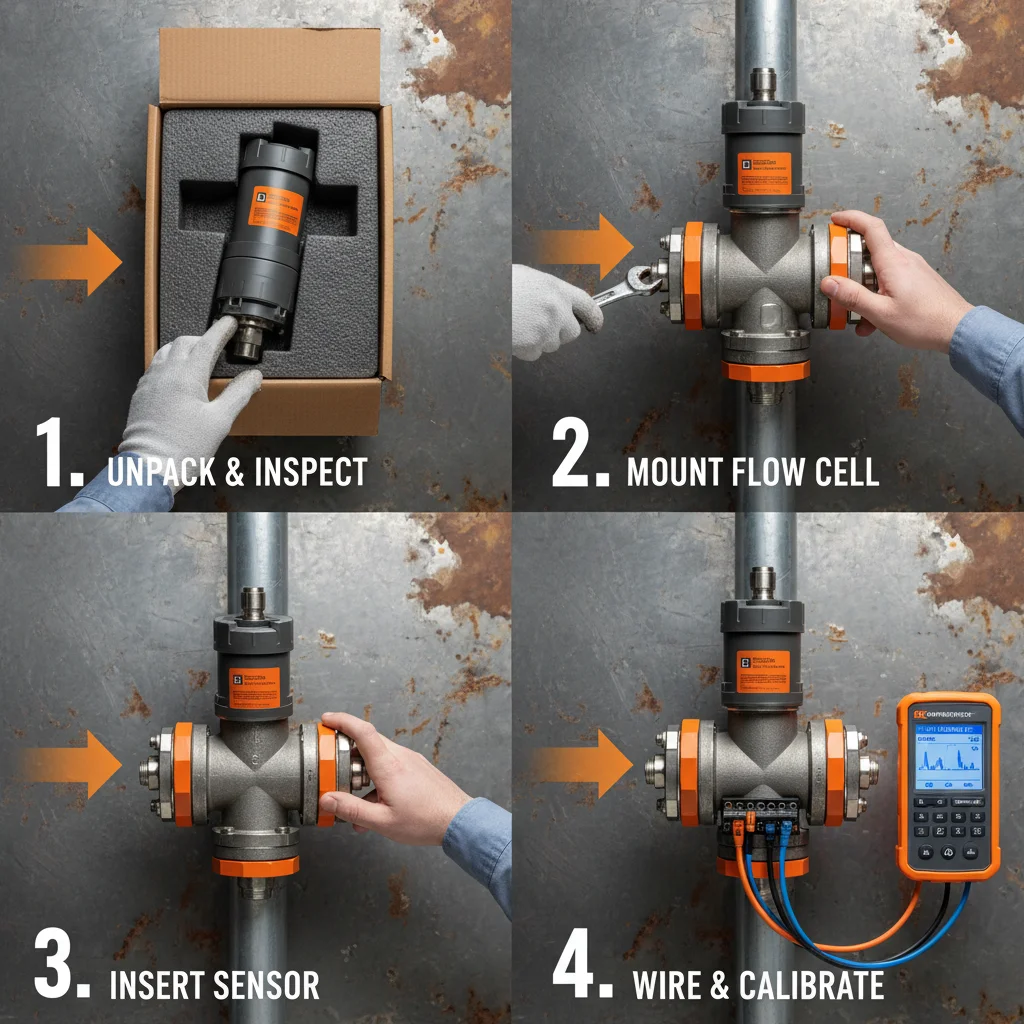
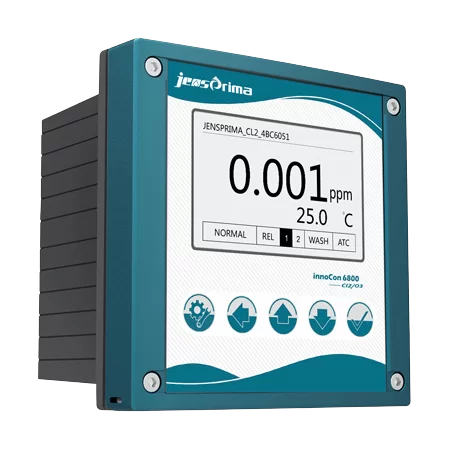
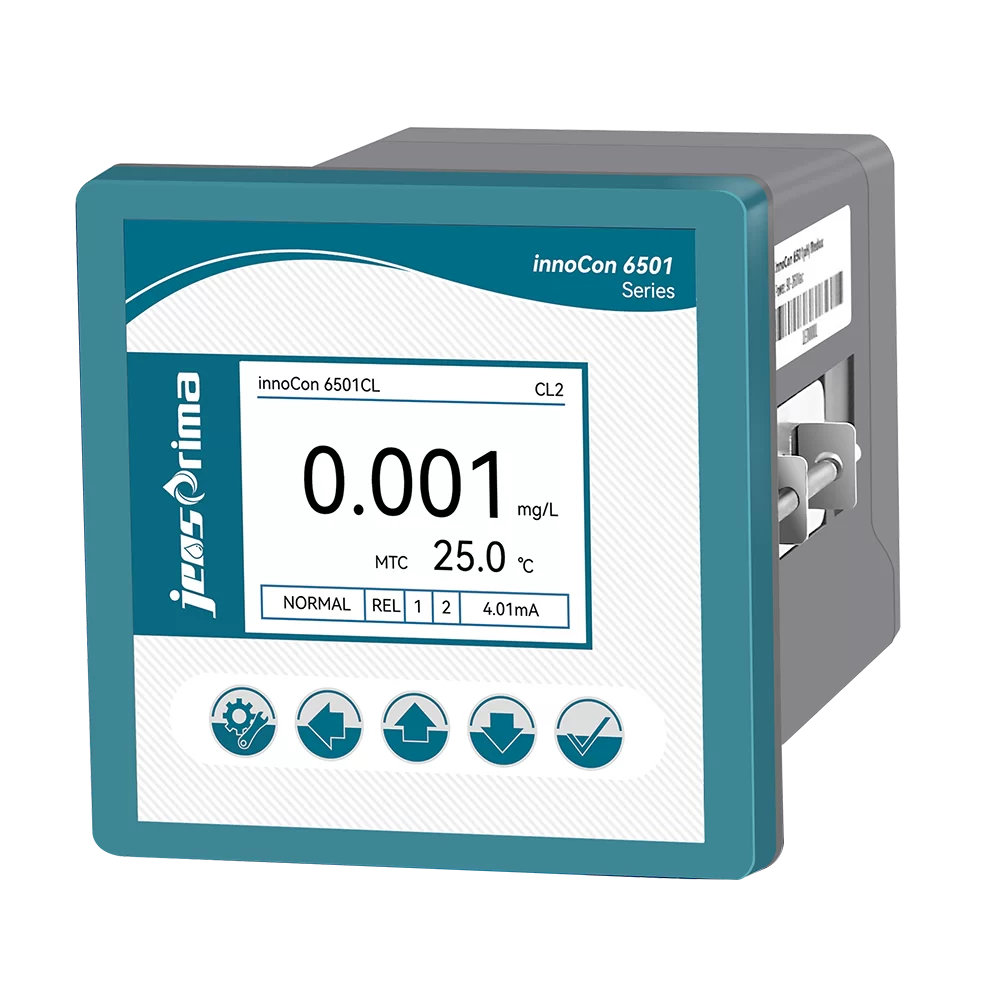
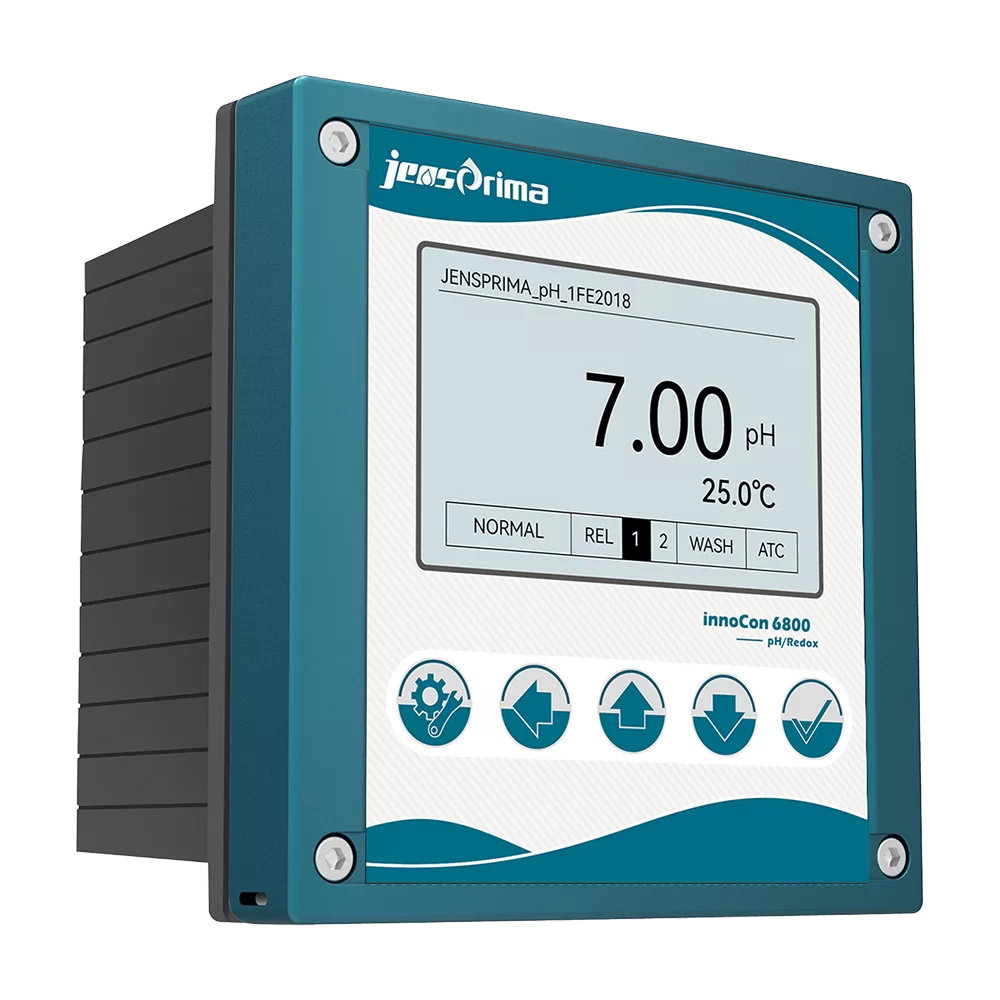
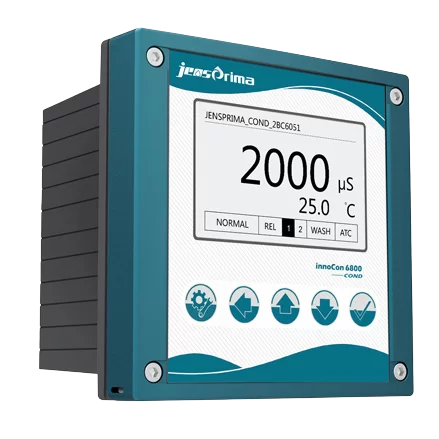
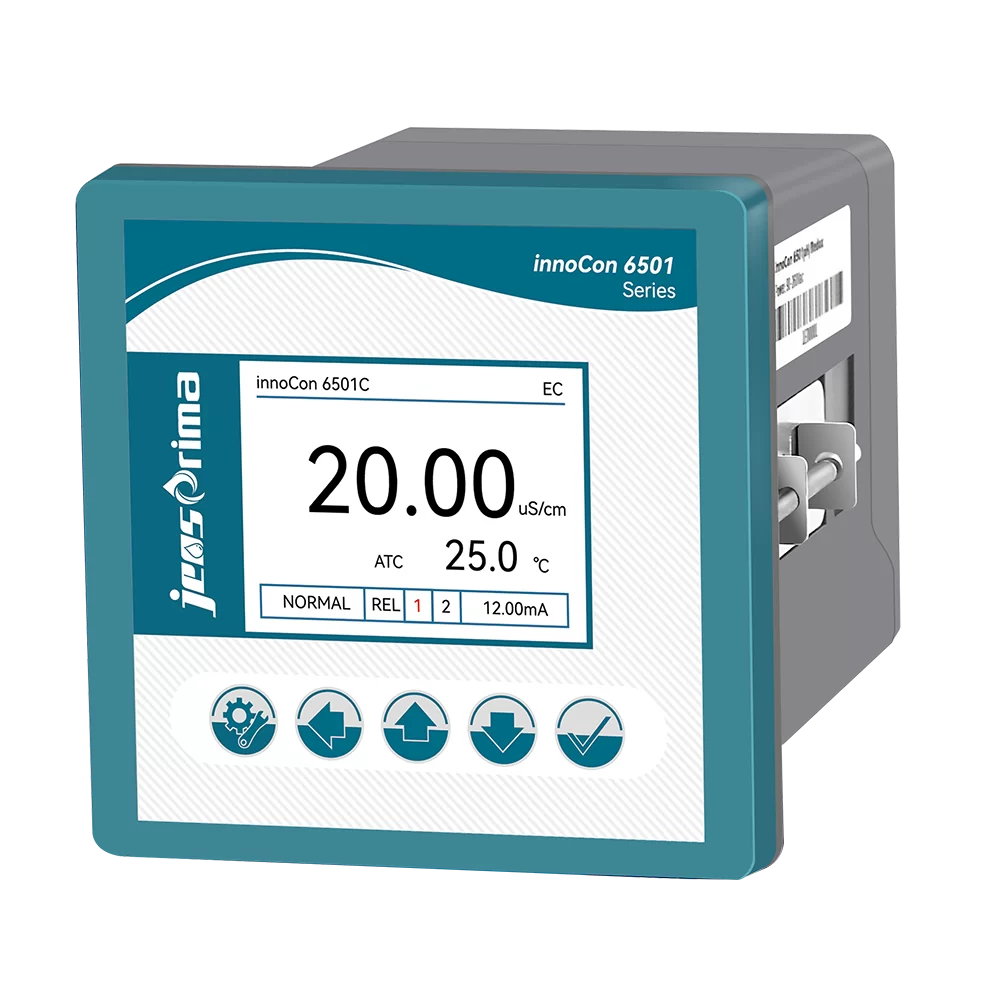
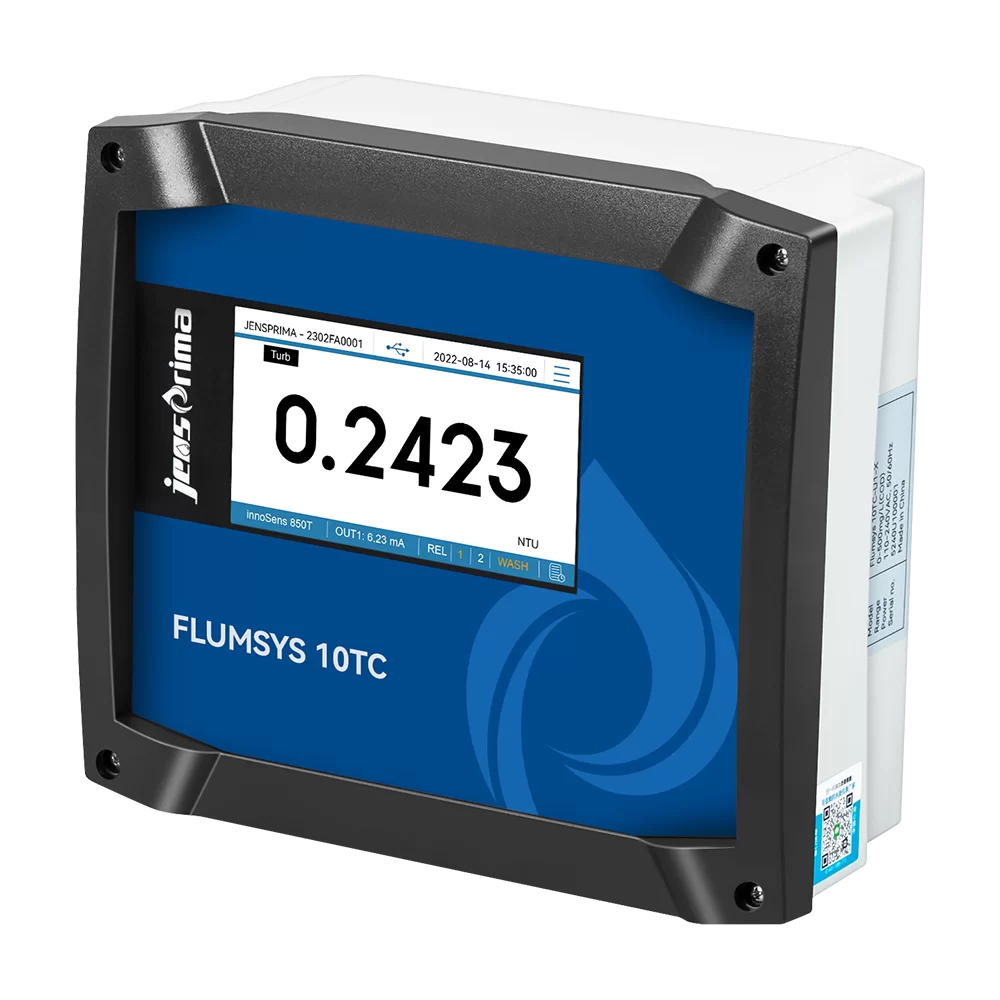
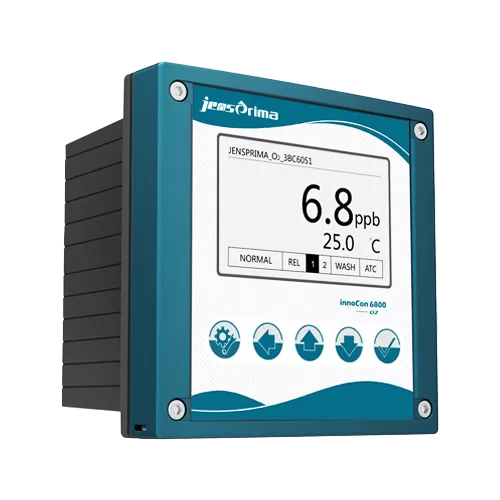
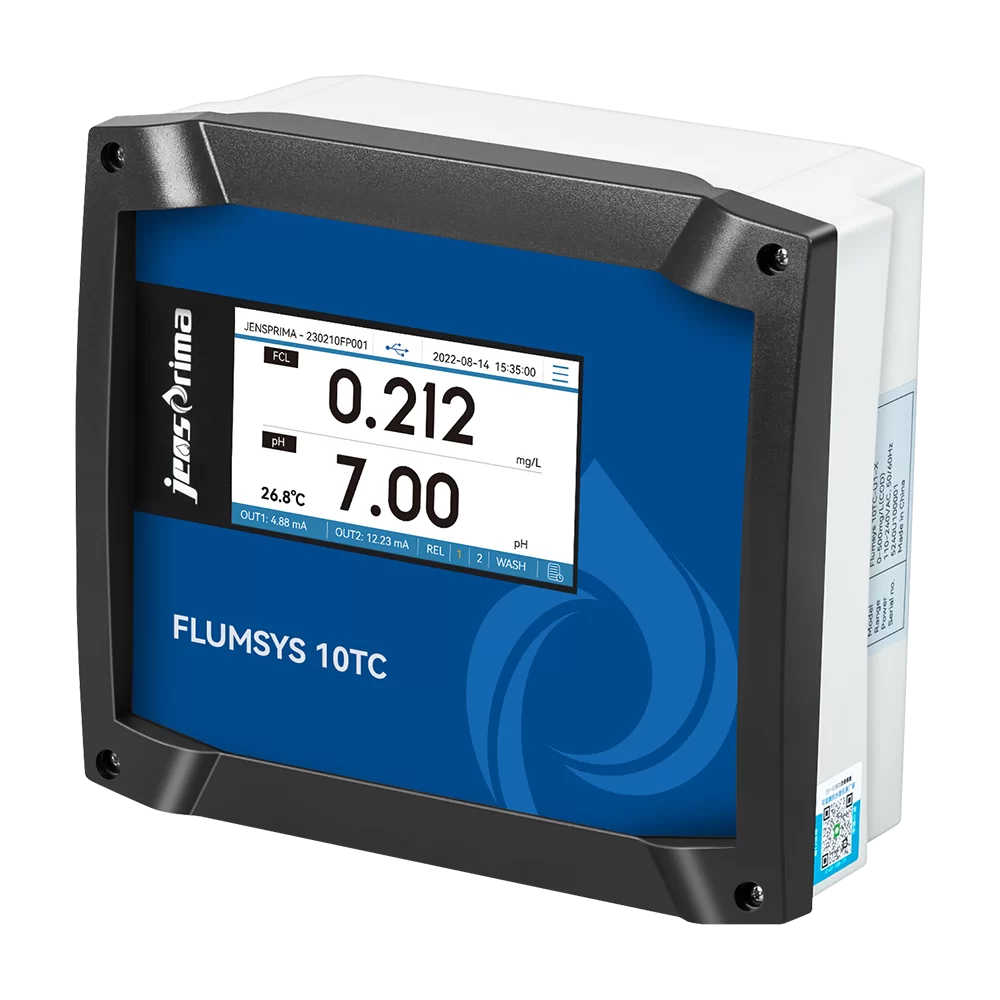
The signal conditioner amplifies and filters the sensor signal, ensuring accurate and reliable readings. The controller processes the signal and displays the chlorine concentration on a user-friendly interface. Modern controllers often include features such as data logging, alarm settings, and remote communication capabilities. Regular calibration of the sensor is crucial for maintaining accuracy, and most systems incorporate automatic or manual calibration procedures.
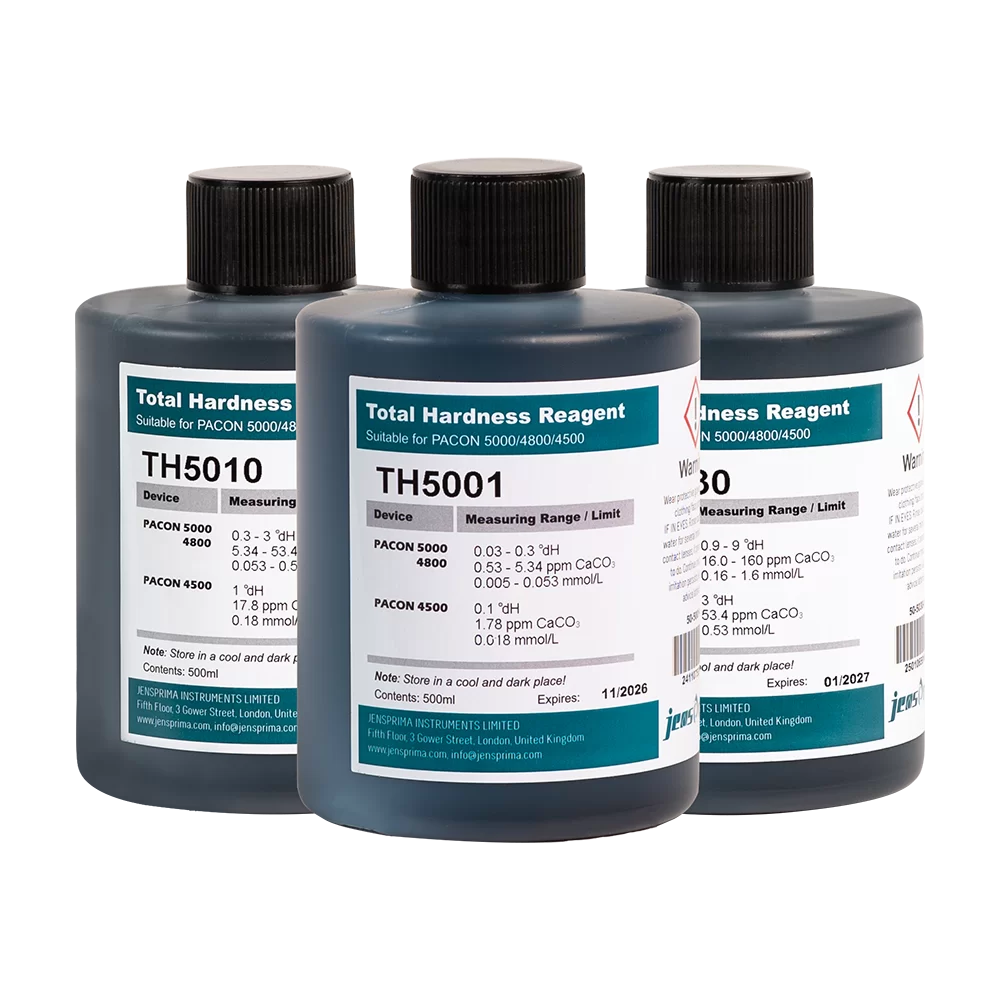
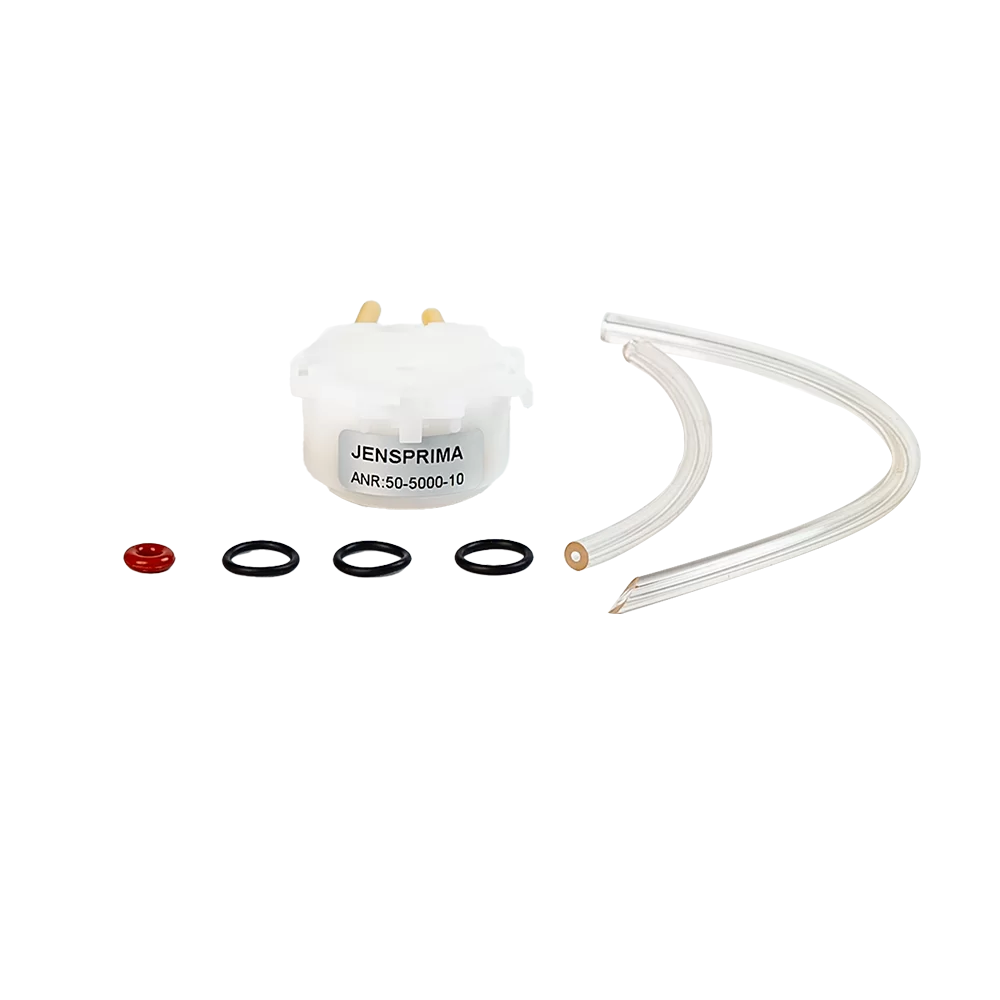
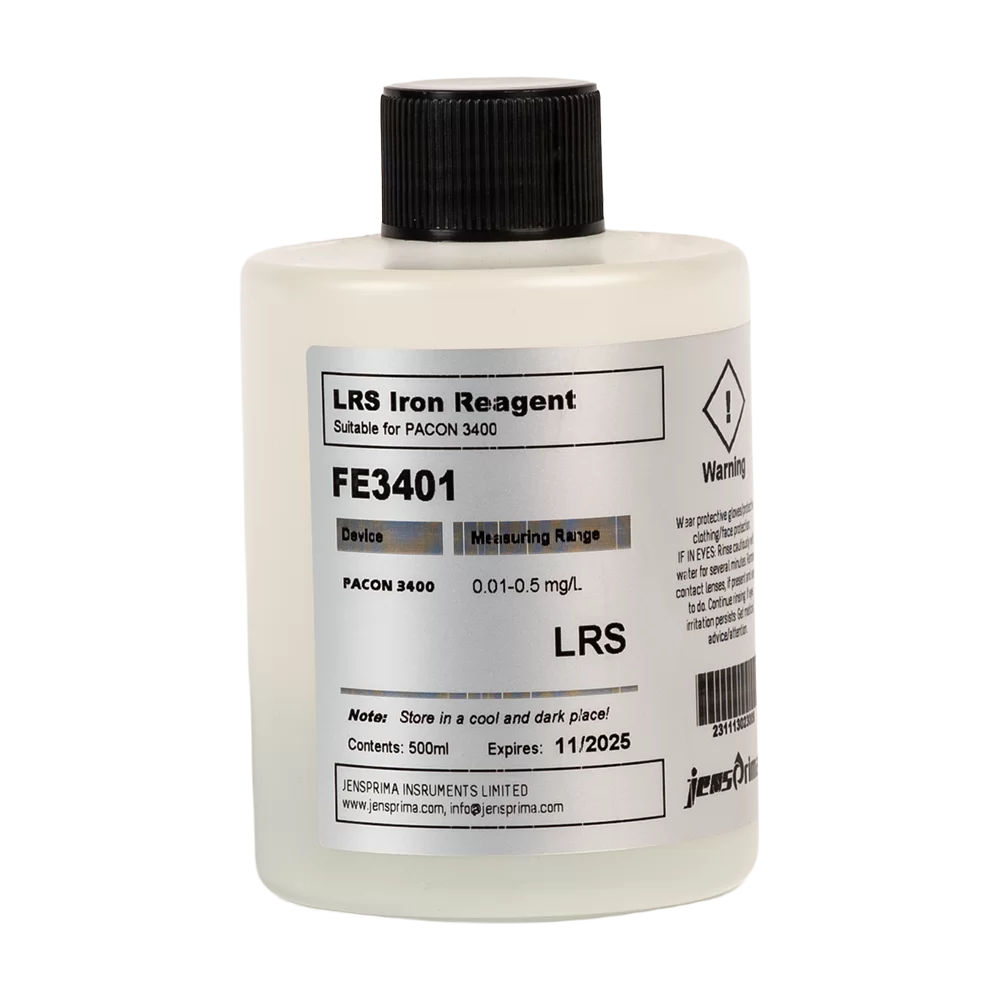
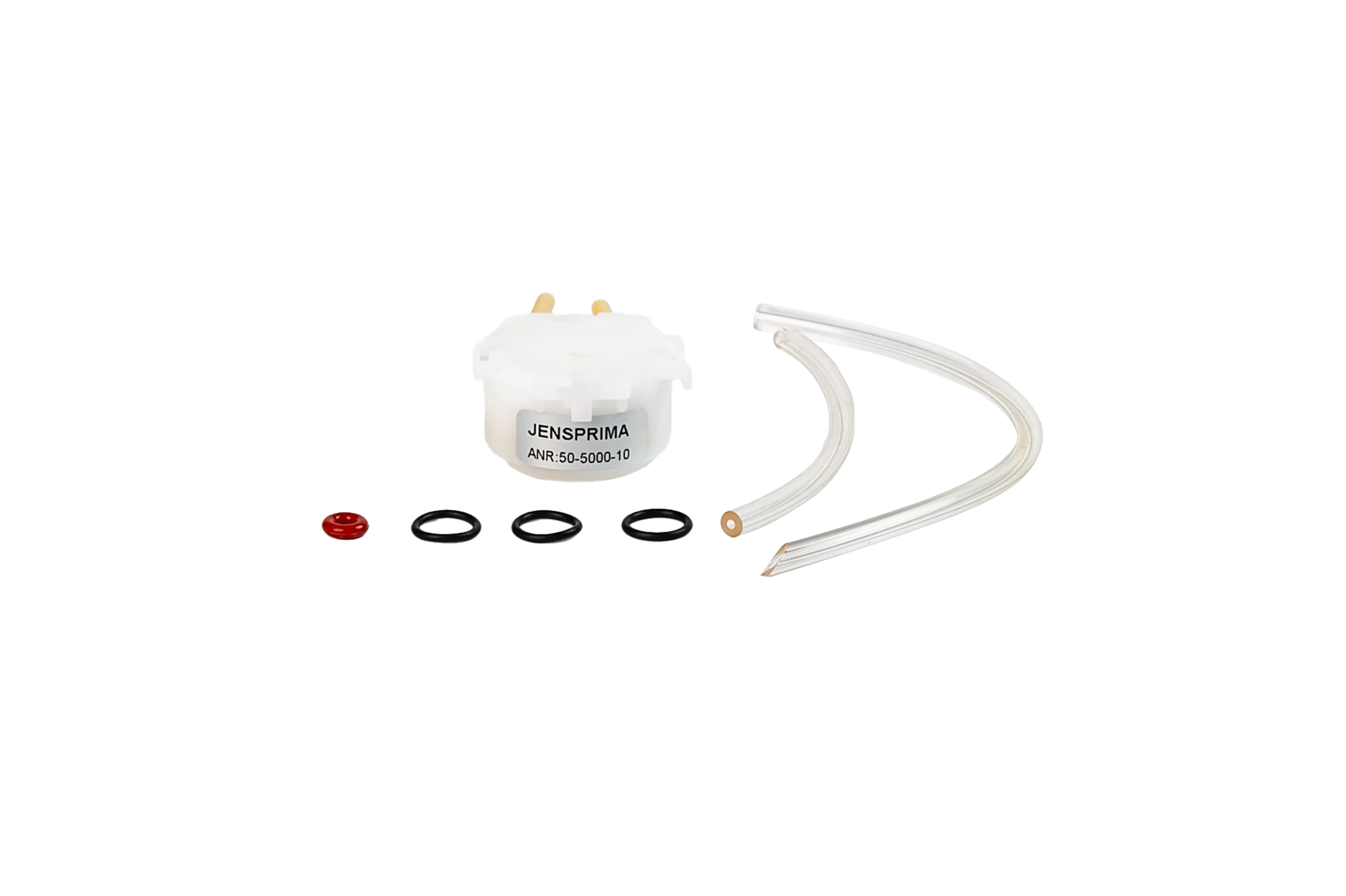
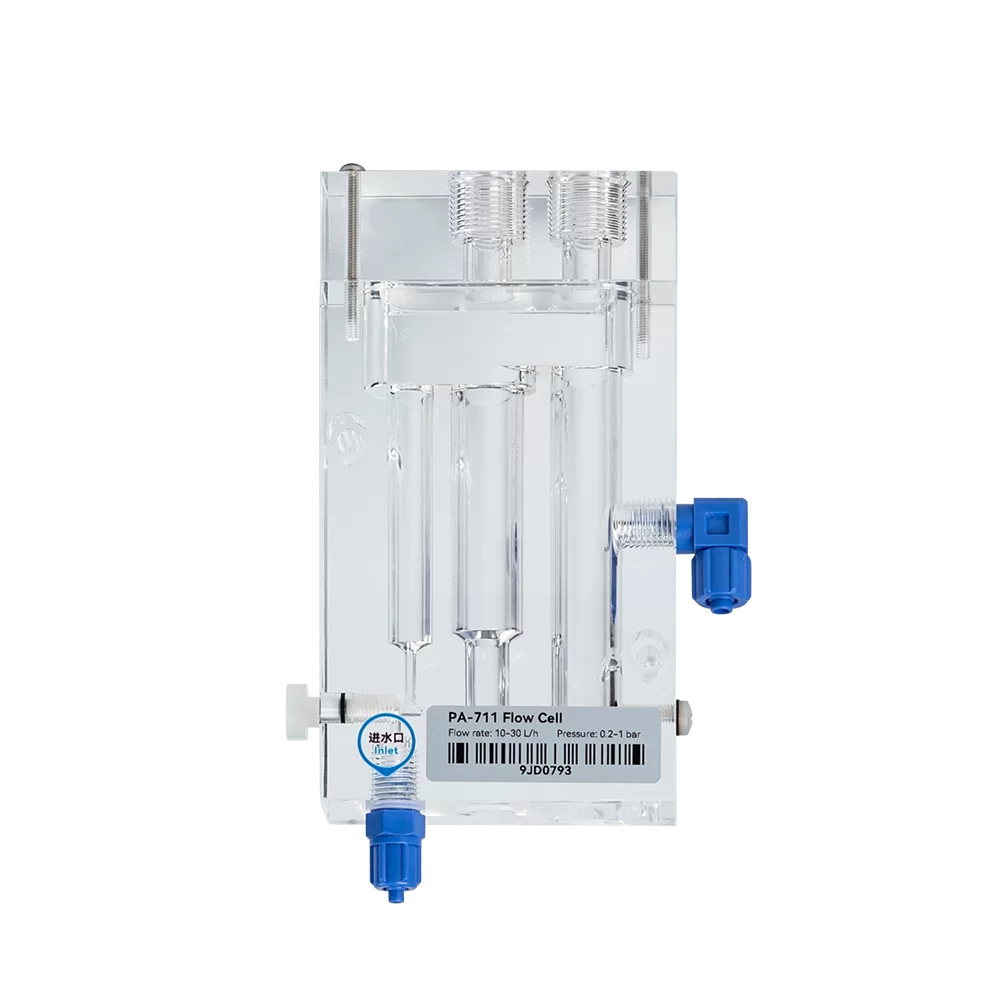
Understanding the operational principles of your free chlorine monitor is vital for accurate measurements. Factors such as temperature, pH, and the presence of interfering substances can influence sensor performance. Proper sensor maintenance, including cleaning and replacement of membranes or reagents, is essential for ensuring long-term reliability.
Key Performance Indicators for Evaluating Free Chlorine Monitoring Systems
When selecting a free chlorine monitor, several key performance indicators (KPIs) should be considered to ensure optimal performance and reliability. Accuracy, defined as the degree of closeness of measurements to the true value, is paramount. Response time, the time it takes for the monitor to register a change in chlorine concentration, is also critical for real-time control.
Another important KPI is stability, which refers to the monitor’s ability to maintain accurate readings over time without drift. Maintenance requirements, including the frequency of calibration and the cost of consumables, should also be factored into the evaluation. Finally, the durability and robustness of the sensor and controller are essential for long-term operation in harsh environments.
Comparison of Free Chlorine Monitor Technologies
Real-World Applications of Free Chlorine Monitoring
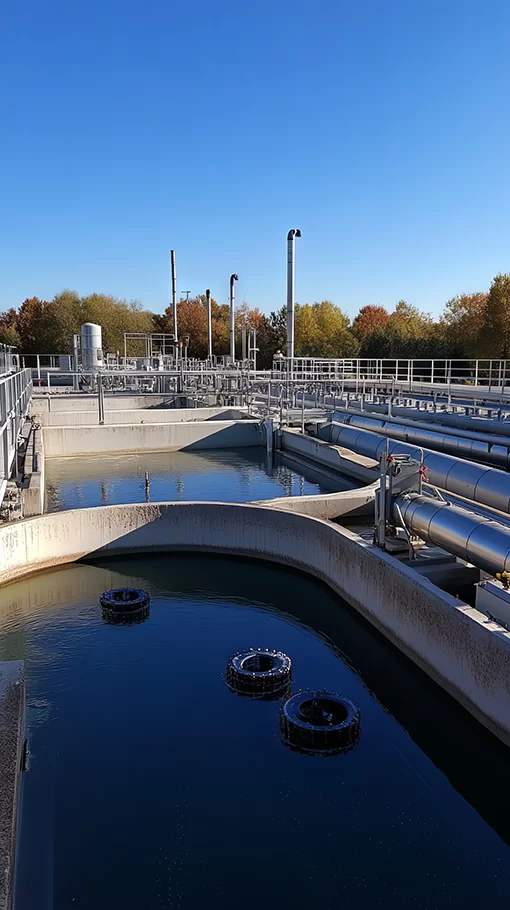
Free chlorine monitor systems find application in diverse settings. Municipal water treatment plants utilize them for continuous disinfection control, ensuring that drinking water meets stringent safety standards. Wastewater treatment facilities rely on chlorine monitoring to effectively disinfect effluent before discharge, minimizing environmental impact.
Swimming pools and spas require precise chlorine control to protect bathers from waterborne illnesses. Industrial applications include cooling water systems, where chlorine prevents biofouling and corrosion, and food processing plants, where it ensures hygienic conditions. In remote locations or emergency situations, portable free chlorine monitor can be used for rapid water quality assessment.
Benefits and Long-Term Value of Implementing Free Chlorine Monitoring
Implementing a free chlorine monitor offers a range of benefits, including improved water quality, reduced health risks, and enhanced operational efficiency. Real-time monitoring enables proactive control, minimizing the potential for disinfection failures or excessive chlorine levels. The ability to log data and generate reports provides valuable insights into system performance and facilitates compliance with regulatory requirements.
From a long-term perspective, the investment in a reliable free chlorine monitor translates to cost savings through reduced chemical consumption, minimized maintenance requirements, and prevention of costly contamination events. The positive impact on public health and environmental sustainability further enhances the long-term value of this technology.
Emerging Trends and Future Innovations in Free Chlorine Analysis
The field of free chlorine analysis is continually evolving, driven by the demand for more accurate, reliable, and cost-effective monitoring solutions. Emerging trends include the development of advanced sensor technologies, such as microfluidic sensors and optical sensors, which offer improved sensitivity and selectivity. The integration of artificial intelligence (AI) and machine learning (ML) algorithms is enabling predictive maintenance and optimized chlorine dosing.
Wireless communication and cloud-based data management are also gaining traction, allowing for remote monitoring and control of free chlorine monitor systems. The development of low-power sensors and energy-harvesting technologies is expanding the possibilities for deploying monitoring systems in remote or off-grid locations.
Future innovations are likely to focus on miniaturization, portability, and integration with other water quality parameters, leading to more comprehensive and versatile monitoring solutions. The increasing emphasis on sustainability will also drive the development of more environmentally friendly sensors and analytical methods.
Key Comparison of Free Chlorine Monitoring Methodologies
| Methodology |
Accuracy |
Maintenance Effort |
Cost of Ownership |
| Amperometric |
8/10 |
Medium |
Moderate |
| Colorimetric |
7/10 |
High |
High |
| Electrochemical |
9/10 |
Low |
High |
| UV Absorption |
6/10 |
Medium |
Low |
| Iodometric |
5/10 |
Very High |
Low |
| Digital Sensors |
9.5/10 |
Very Low |
Moderate-High |
FAQS
The lifespan of a free chlorine sensor varies depending on the technology and operating conditions. Amperometric sensors generally last 1-2 years, while colorimetric sensors may have a shorter lifespan of 6-12 months. Regular calibration and proper maintenance can extend sensor life. Digital sensors can offer lifespans exceeding 3 years with minimal maintenance. Consistent monitoring with a free chlorine monitor can help identify sensor drift and ensure timely replacement.
The calibration frequency of a free chlorine monitor depends on the application and the manufacturer’s recommendations. Generally, calibration should be performed at least every 6 months, or more frequently if the monitor is exposed to harsh conditions or if accuracy is critical. Automated calibration features can simplify this process and ensure consistent results.
Several factors can interfere with free chlorine measurements, including temperature, pH, the presence of oxidizing or reducing agents, and turbidity. Temperature affects the solubility of chlorine and the reaction kinetics of the sensor. pH influences the equilibrium between hypochlorous acid and hypochlorite ion. Interfering substances can consume chlorine or alter the sensor signal. Proper sample conditioning and calibration can minimize these effects.
Online free chlorine monitor systems provide continuous, real-time data and can be integrated with automated control systems. They are ideal for applications requiring constant monitoring and control, such as municipal water treatment plants. Portable monitors are more flexible and can be used for spot checks or in remote locations. They are suitable for applications requiring infrequent measurements or mobile monitoring.
Selecting the appropriate free chlorine monitor requires careful consideration of your specific needs and operating conditions. Factors to consider include the required accuracy, range, response time, maintenance requirements, and cost. Consulting with a water quality specialist can help you determine the best solution for your application.
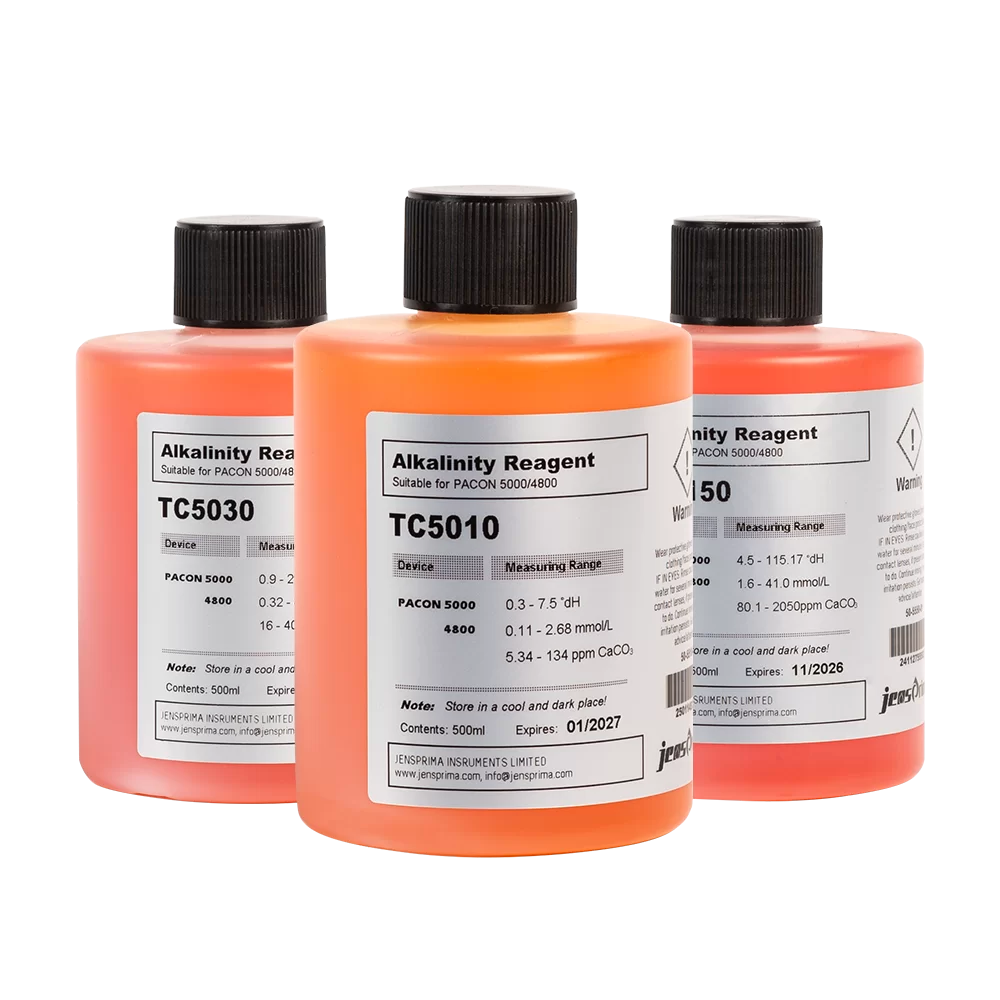
Chlorine and chlorine reagents can be corrosive and hazardous. Always wear appropriate personal protective equipment (PPE), such as gloves, goggles, and a lab coat, when handling these materials. Follow the manufacturer’s instructions for proper use and disposal. Ensure adequate ventilation and avoid contact with skin and eyes. Refer to the Safety Data Sheet (SDS) for detailed safety information.
Conclusion
In conclusion, accurate and reliable free chlorine monitor is essential for safeguarding public health, protecting the environment, and ensuring operational efficiency across a wide range of applications. Understanding the core principles, key performance indicators, and emerging trends in this field is crucial for making informed decisions and implementing effective water quality management strategies. Continuous innovation in sensor technology and data analytics promises to further enhance the capabilities and accessibility of free chlorine monitoring systems.
Investing in a robust free chlorine monitor is not merely a cost; it's an investment in a safer, healthier, and more sustainable future. We encourage you to explore our range of innovative water quality monitoring solutions and contact our team of experts to discuss your specific needs. Visit our website at www.jensprima.com to learn more.




 Download
 Video Center
 Technical Services
 FAQS
FAQS Service Network
 Privacy Policy
 Contact Us